Pokédex












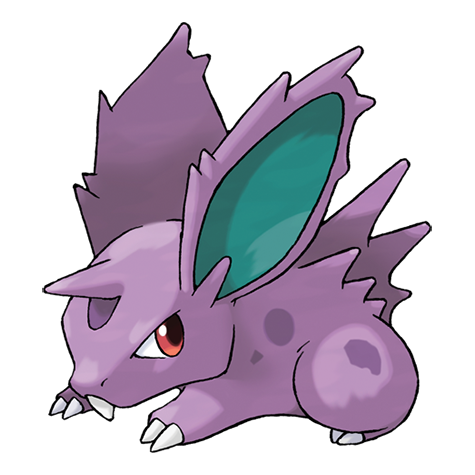
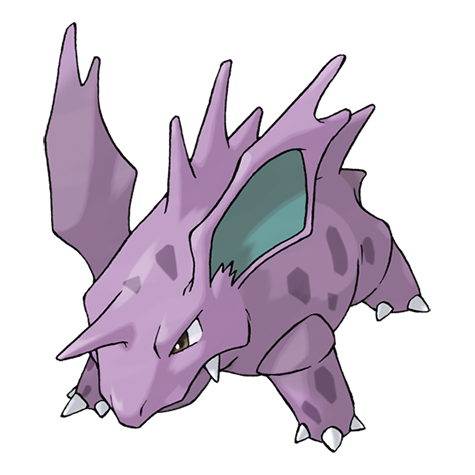
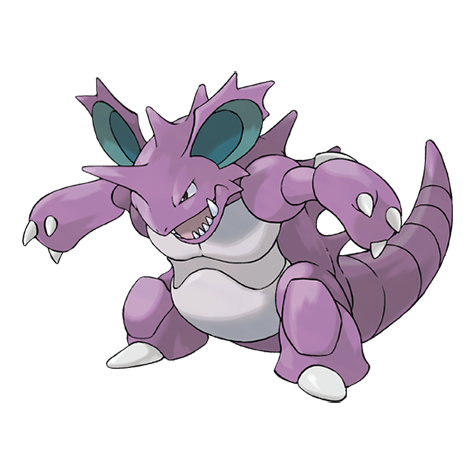


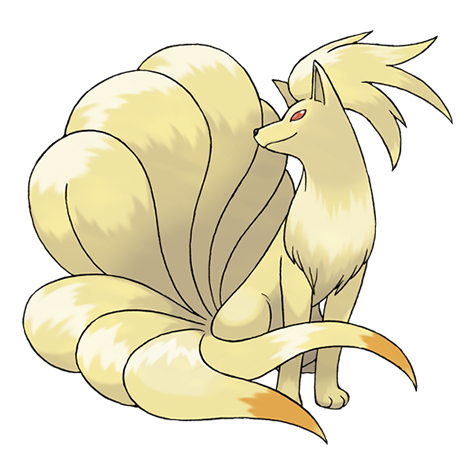













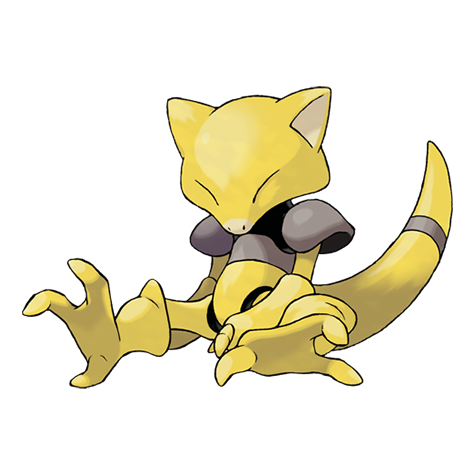
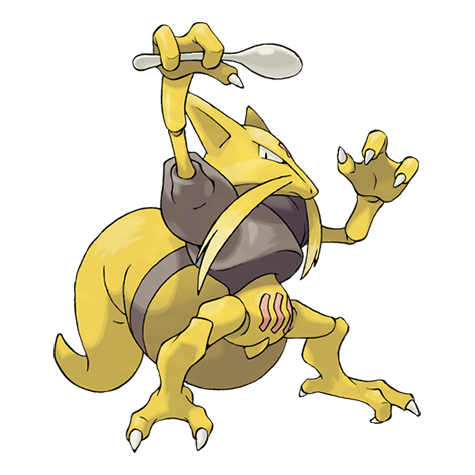
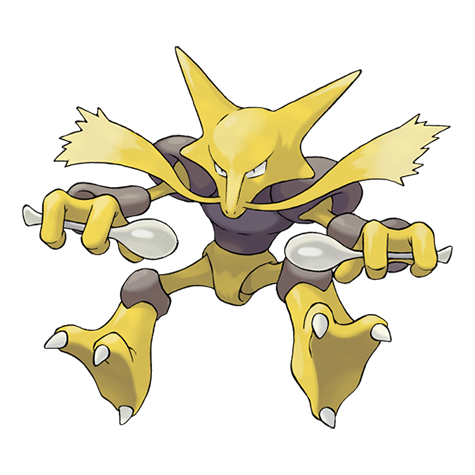
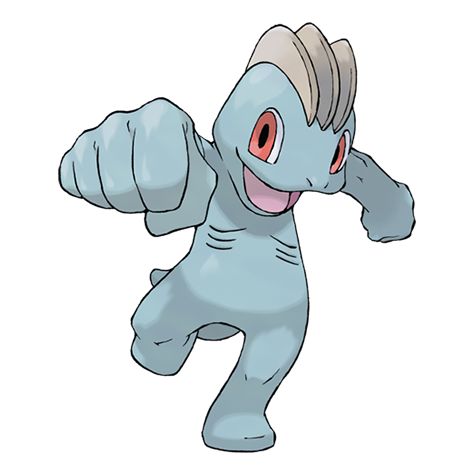



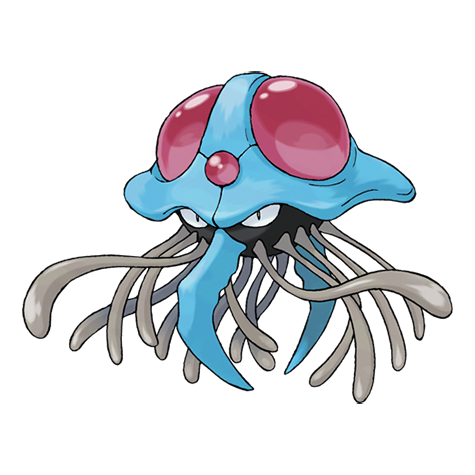


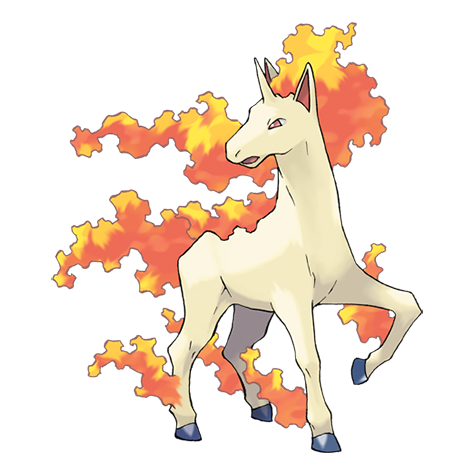


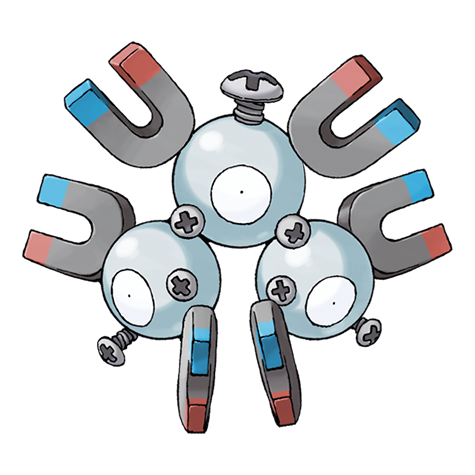




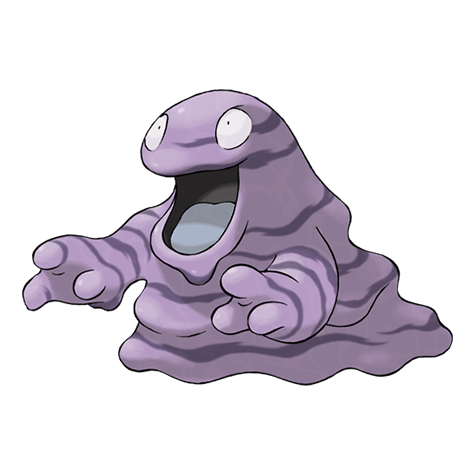


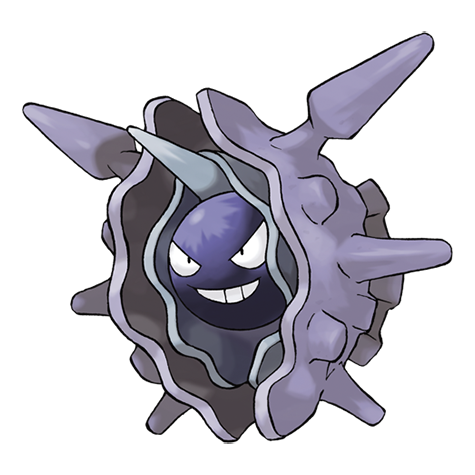

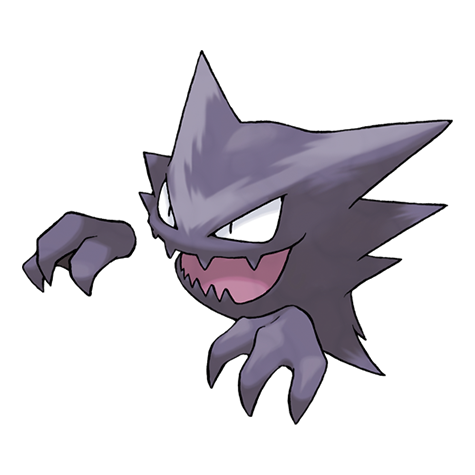

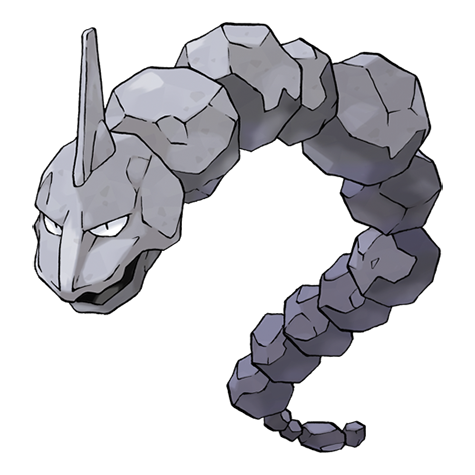


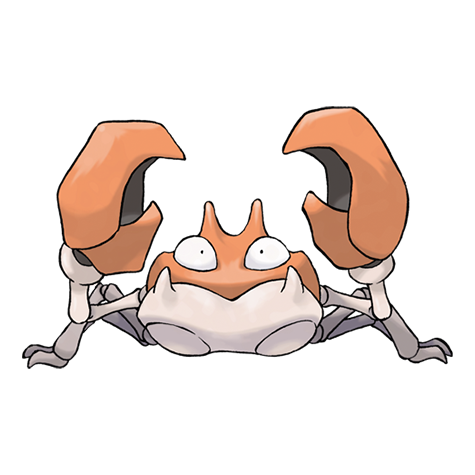



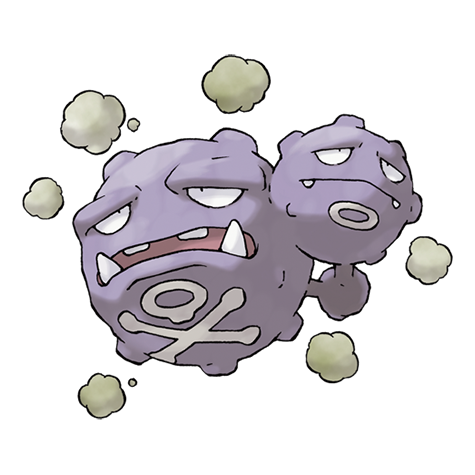
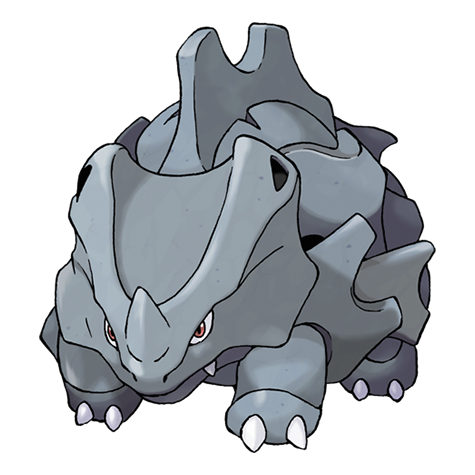
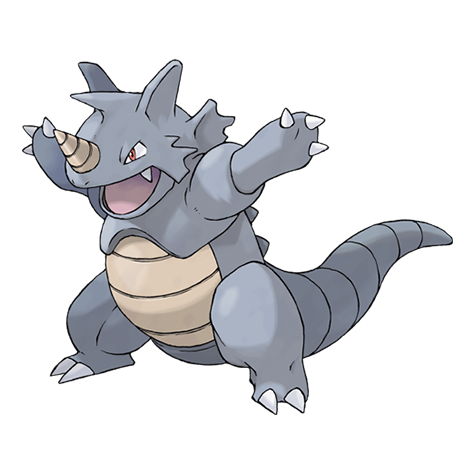
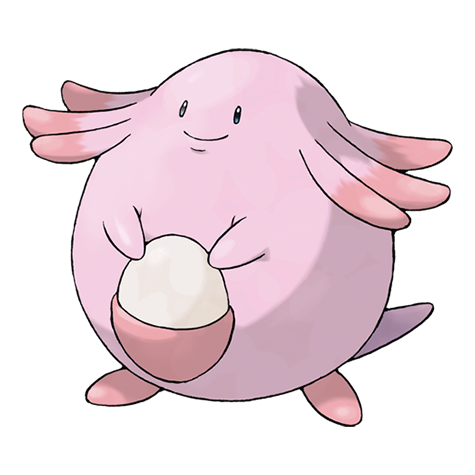

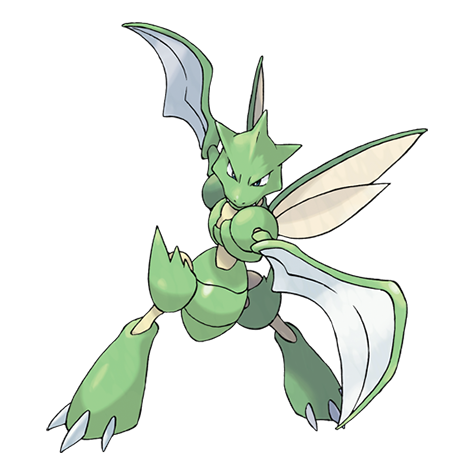
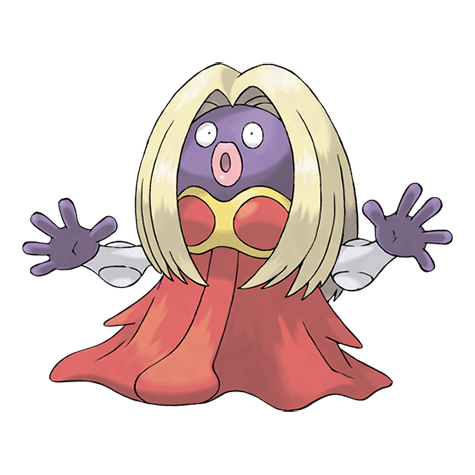
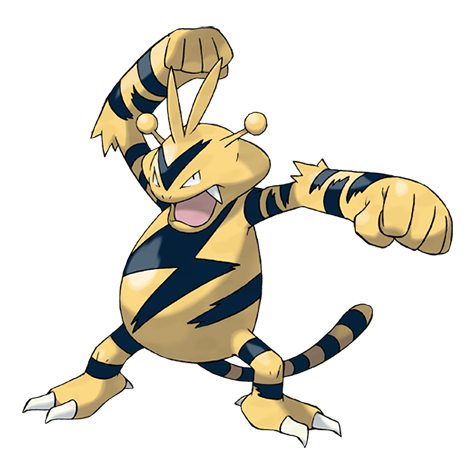
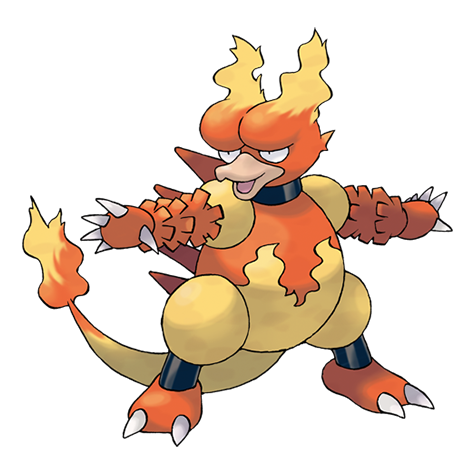
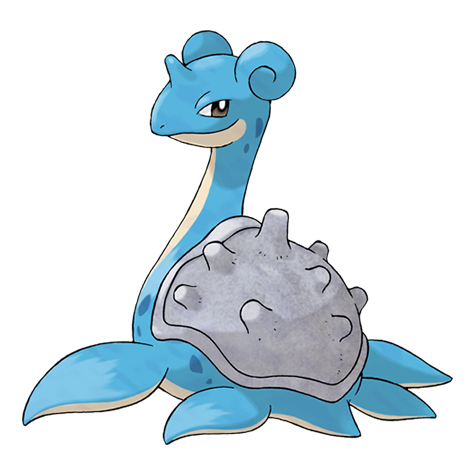
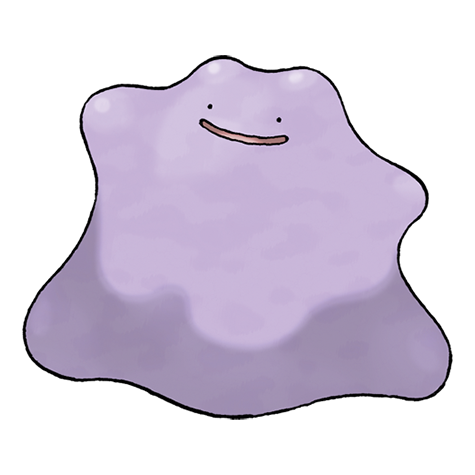
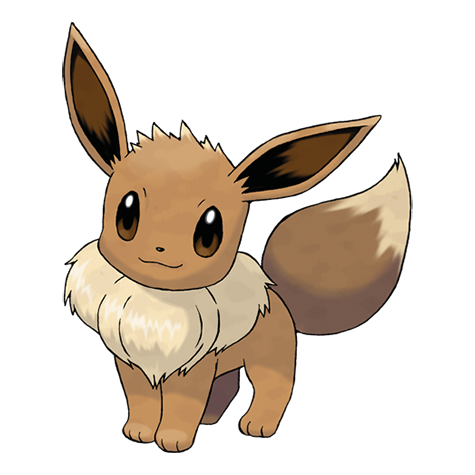

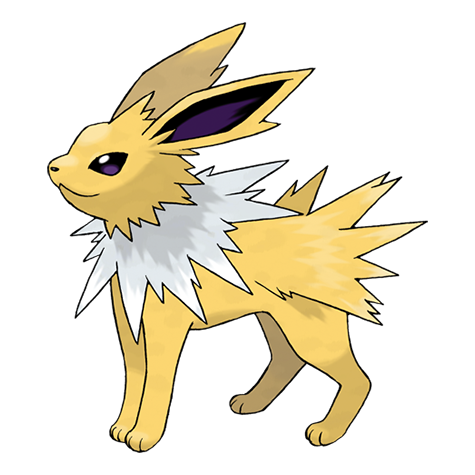


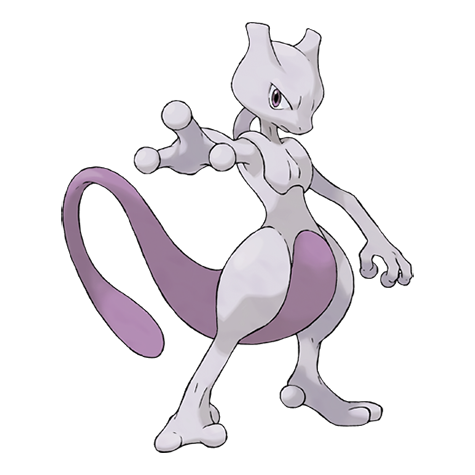

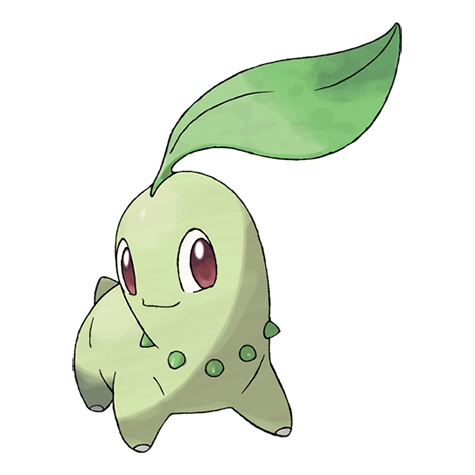
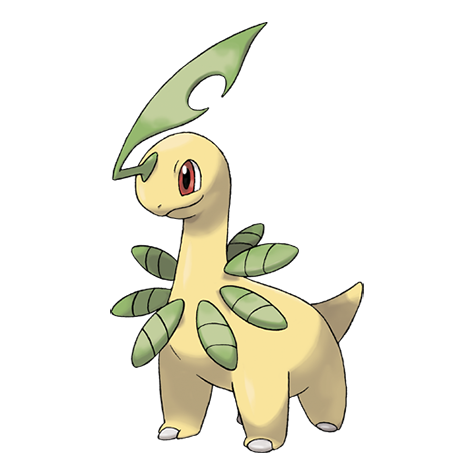
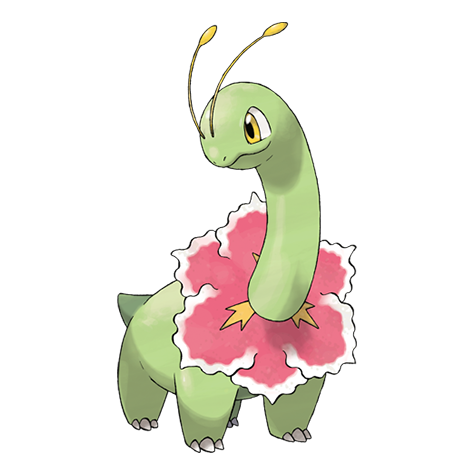

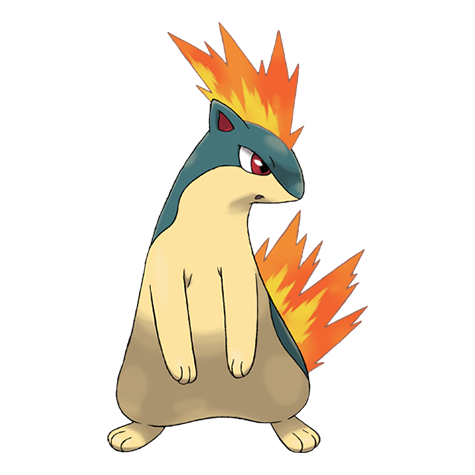

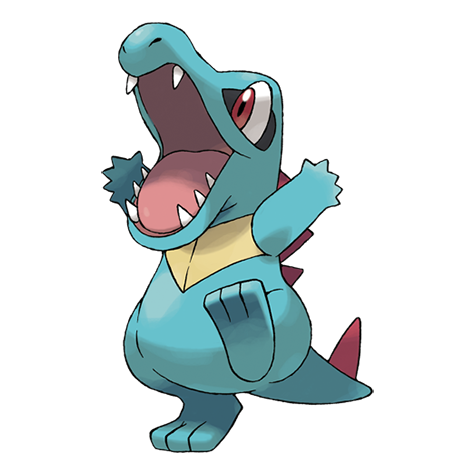
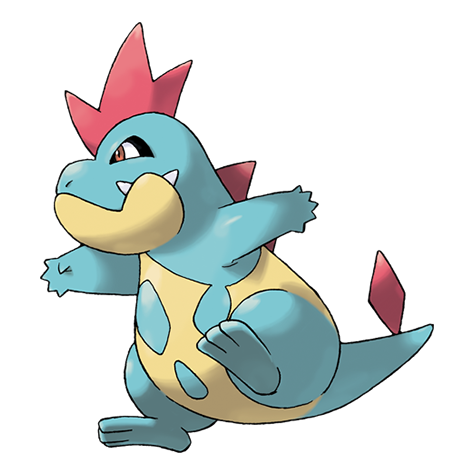
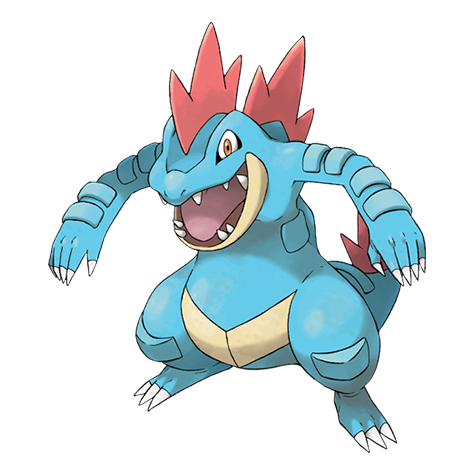
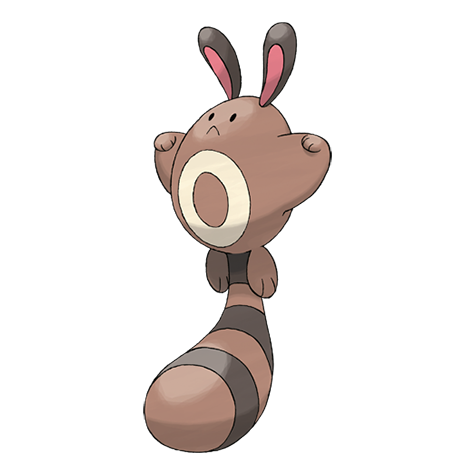

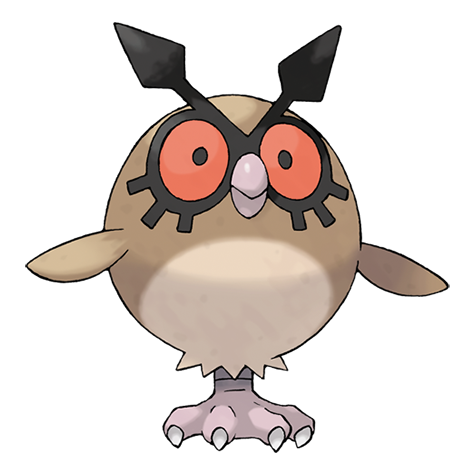
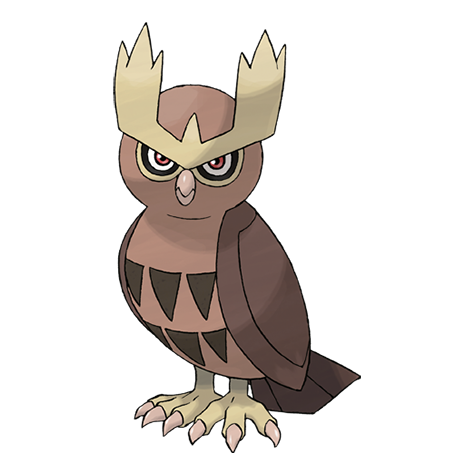
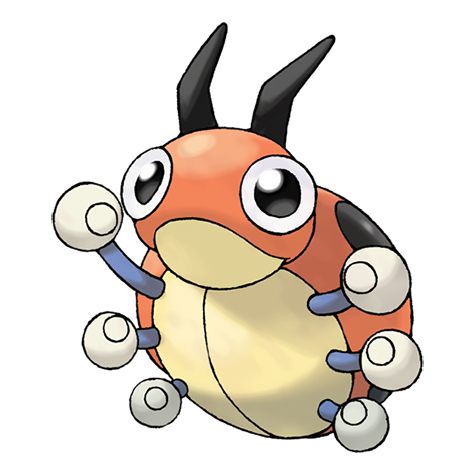

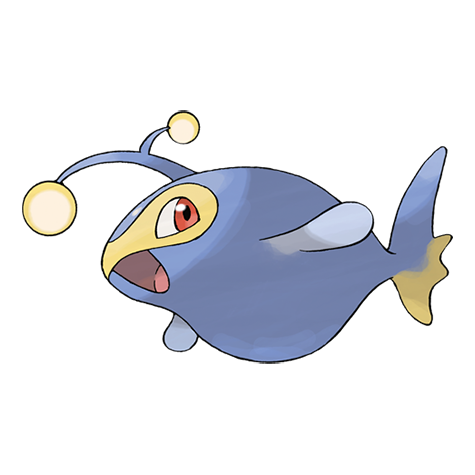



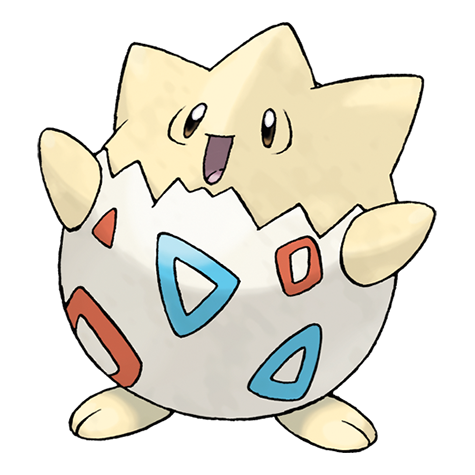
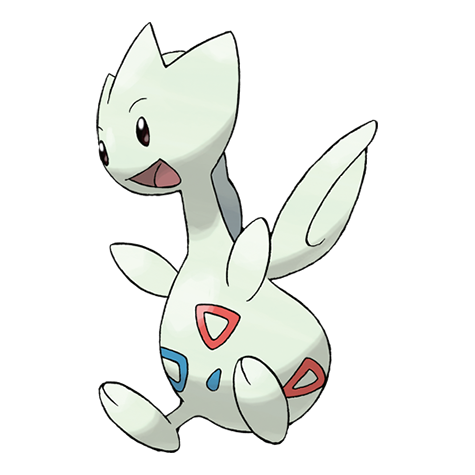
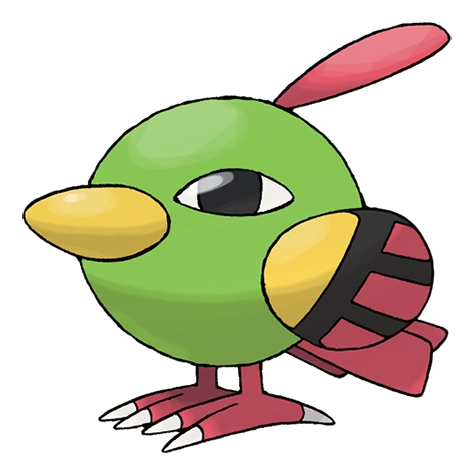


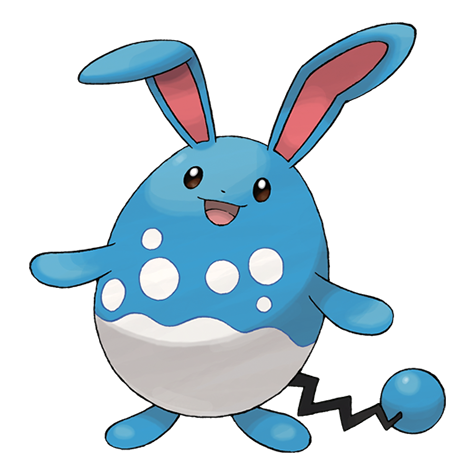
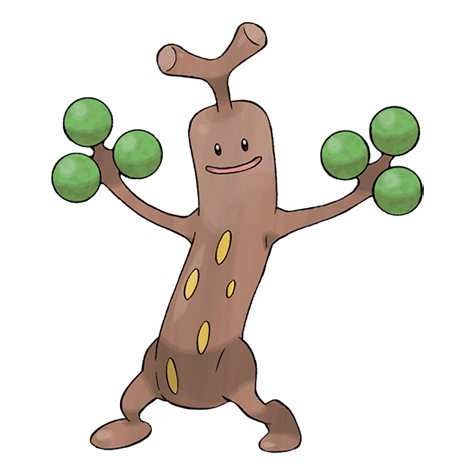

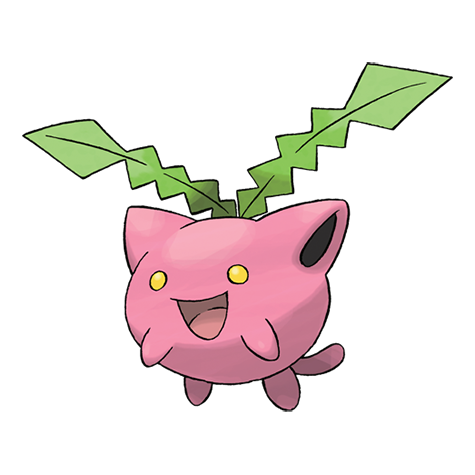
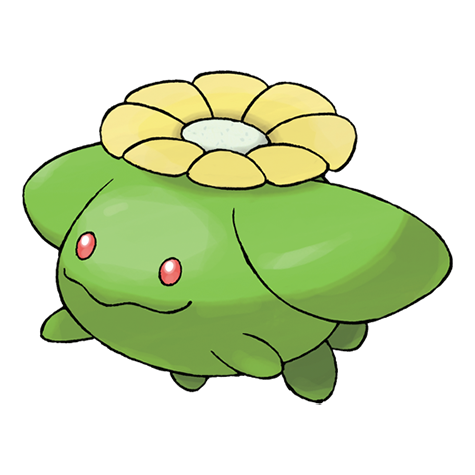



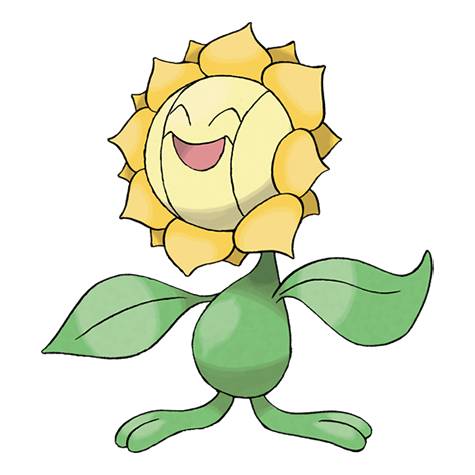
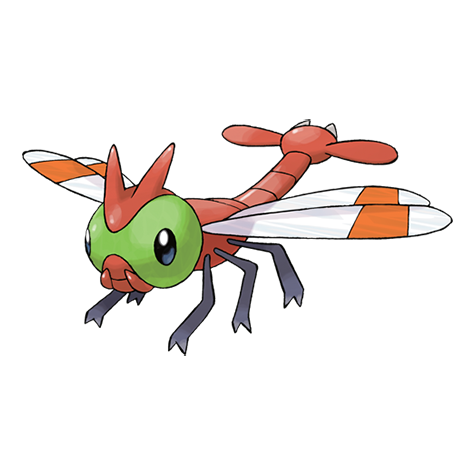


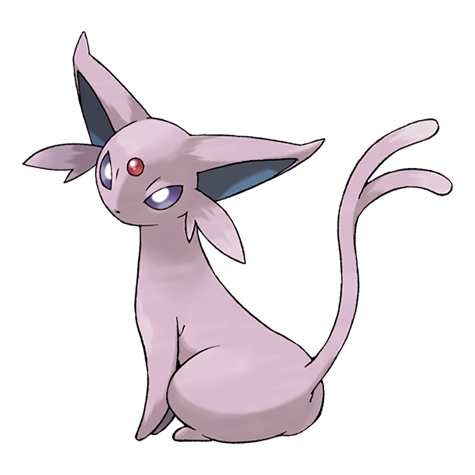
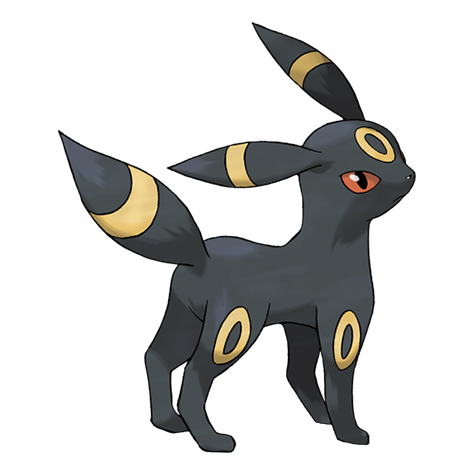
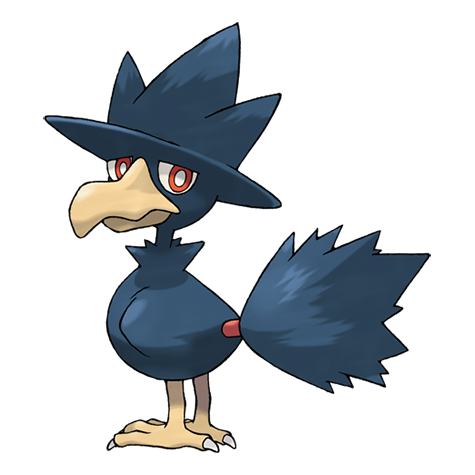




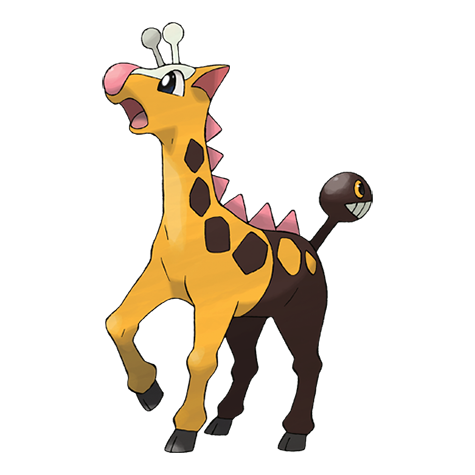
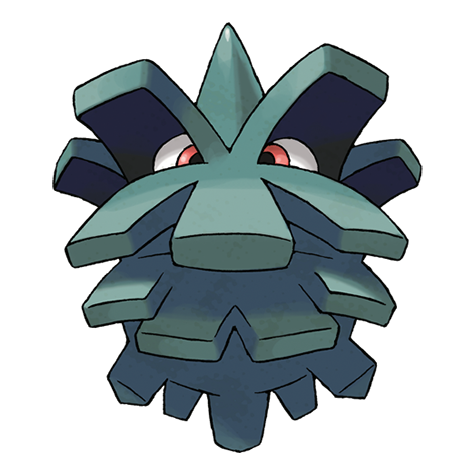
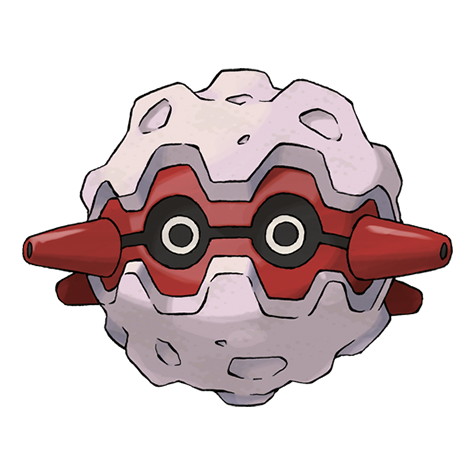

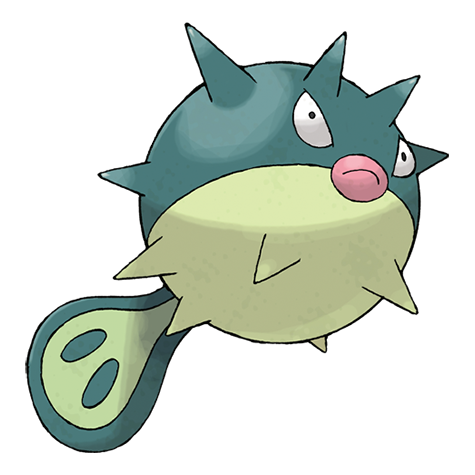
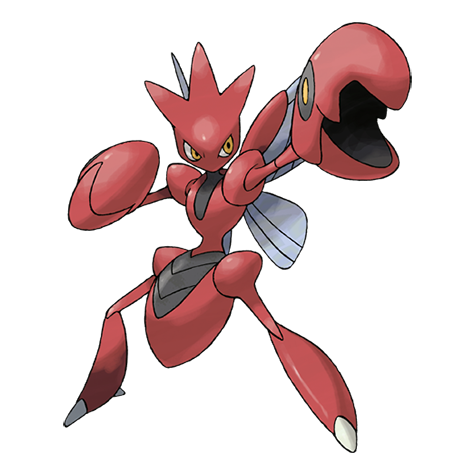
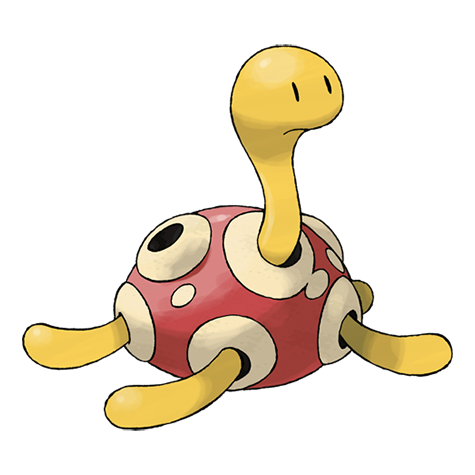
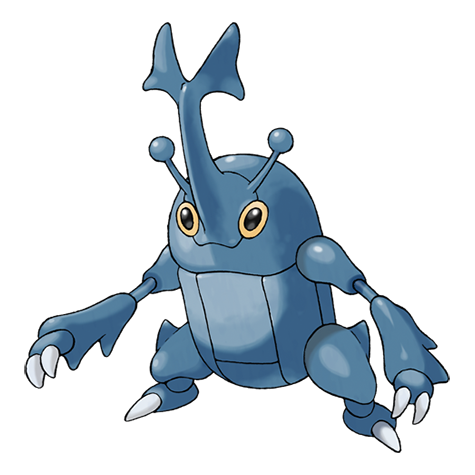
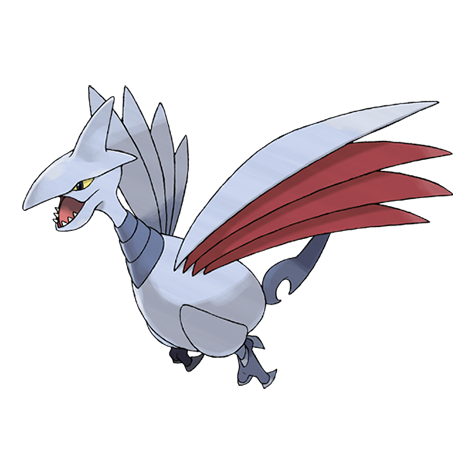
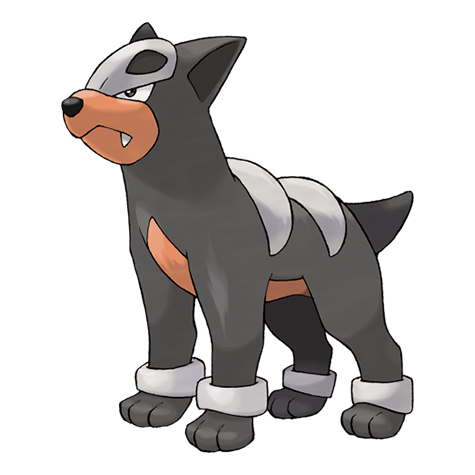
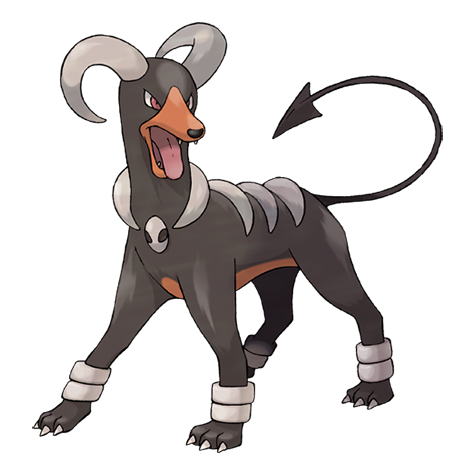
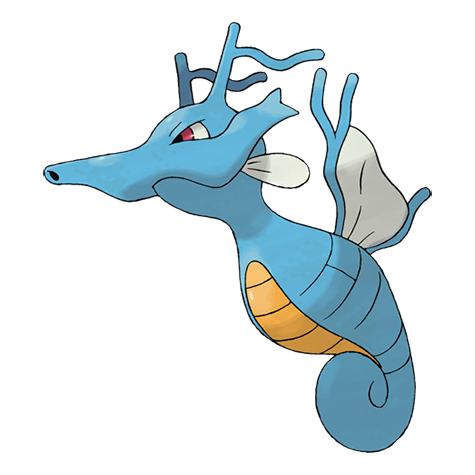
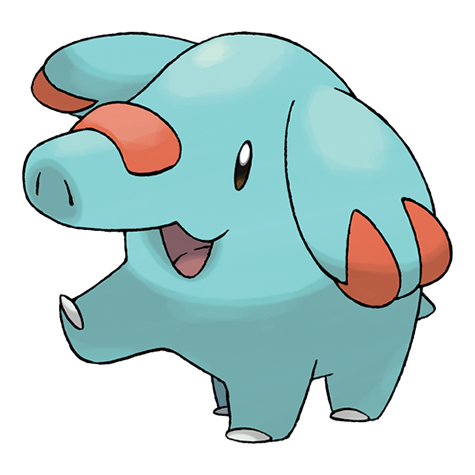
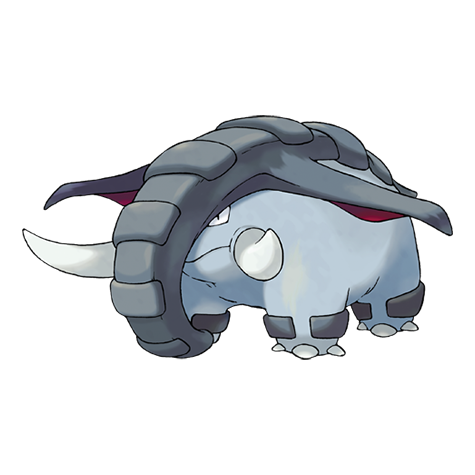

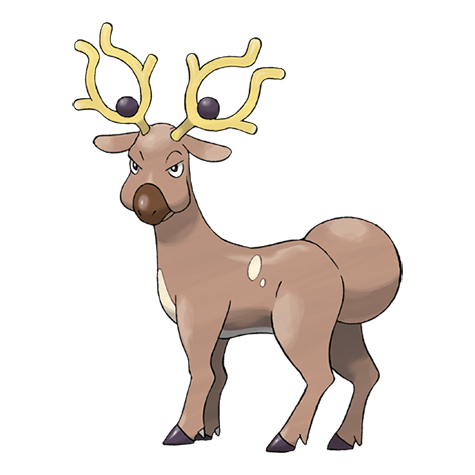

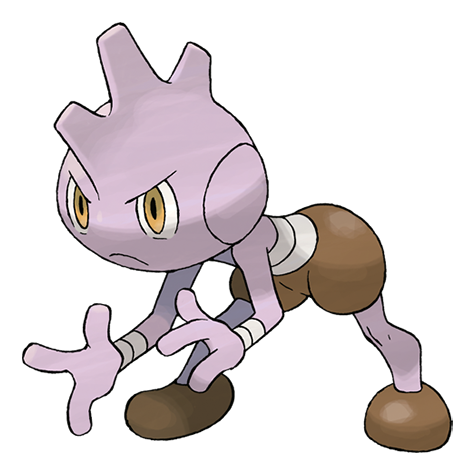
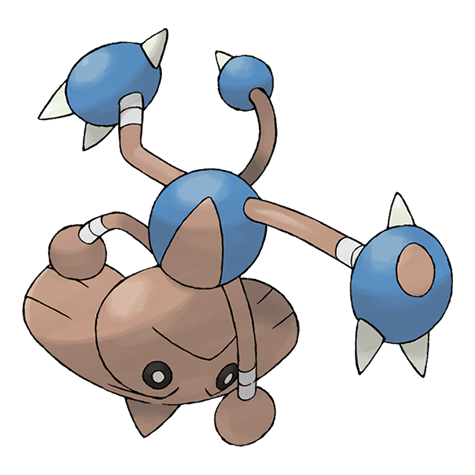
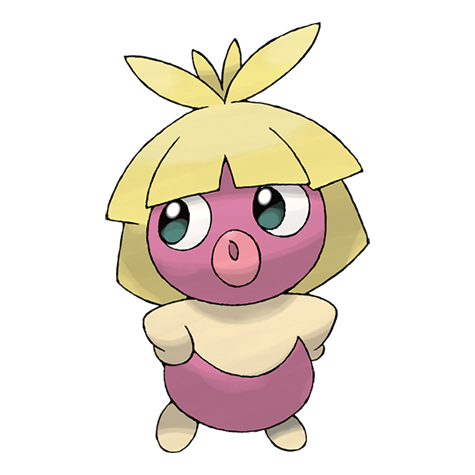
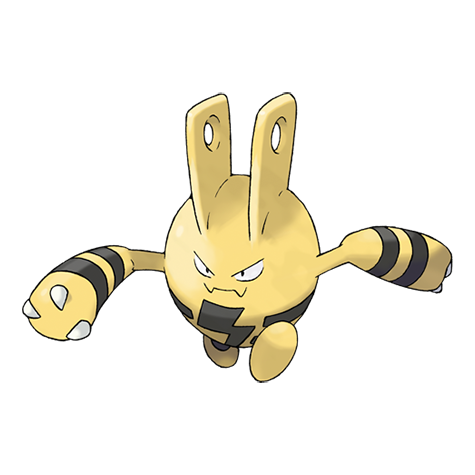
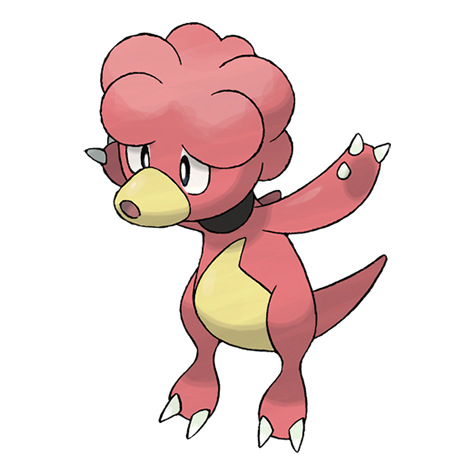
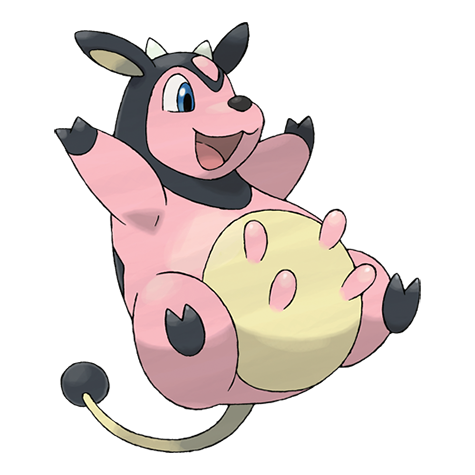

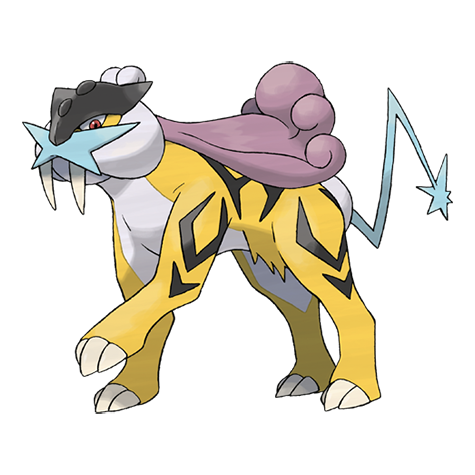
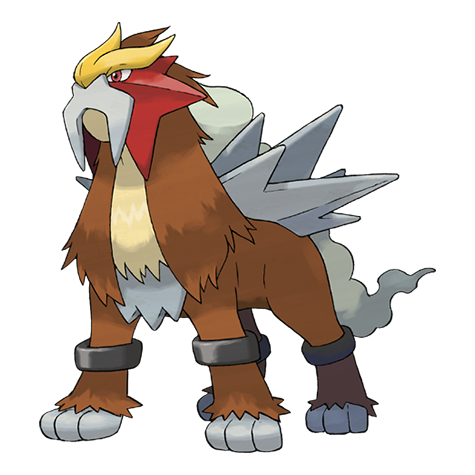
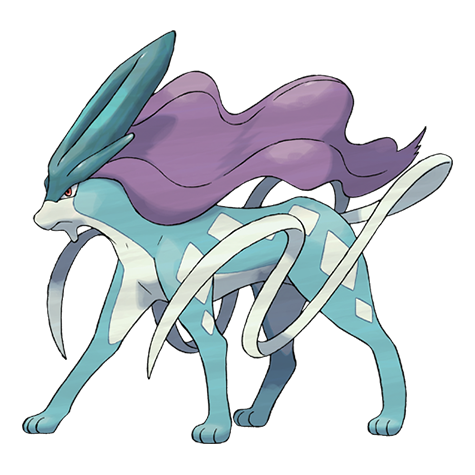


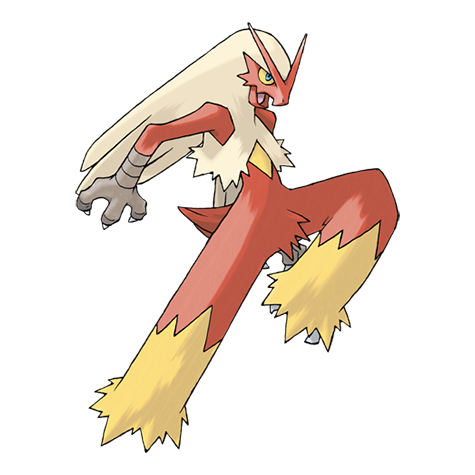
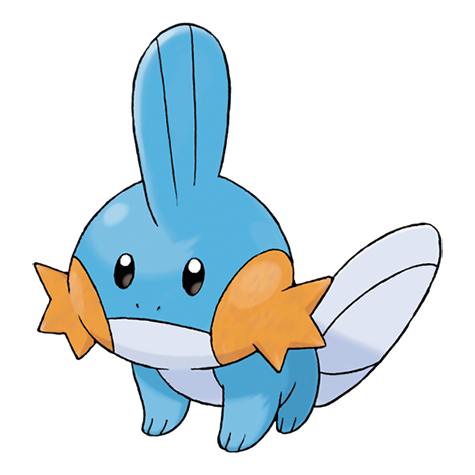

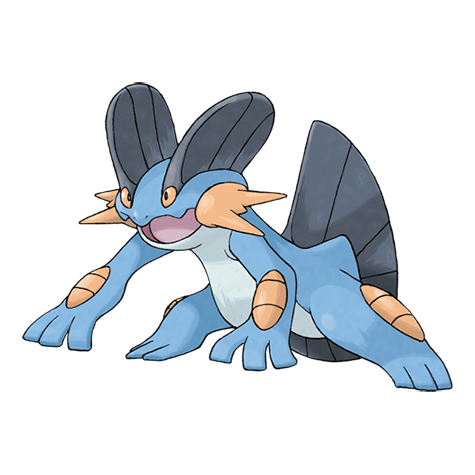
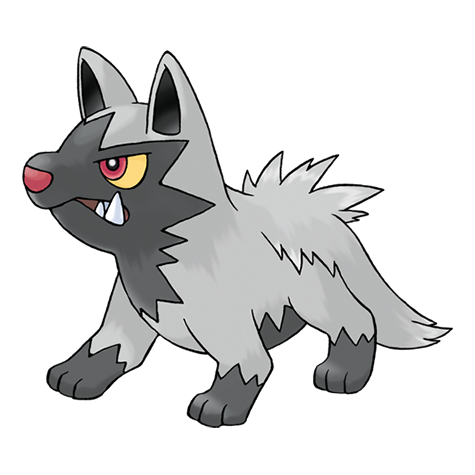
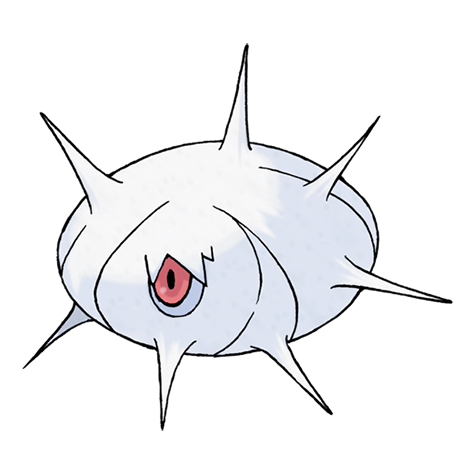
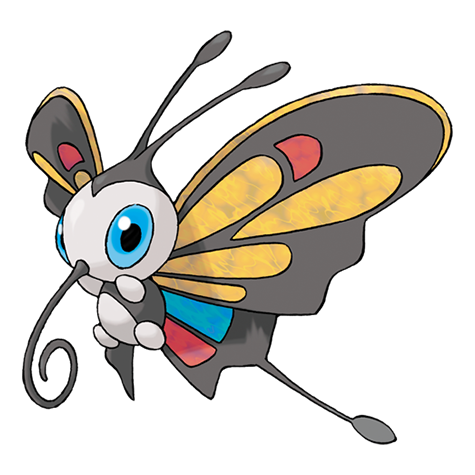
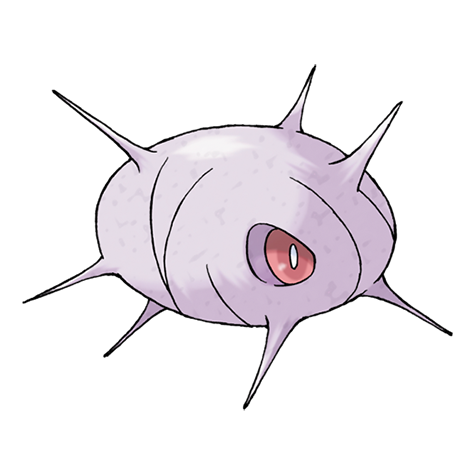
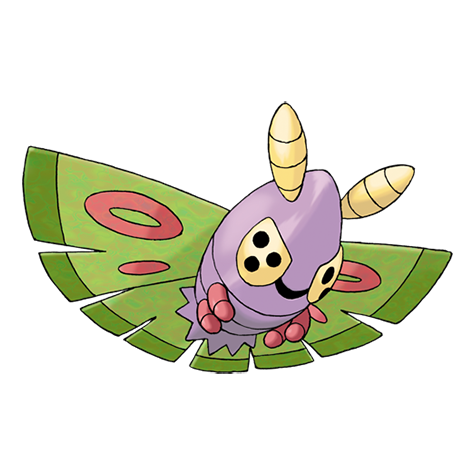



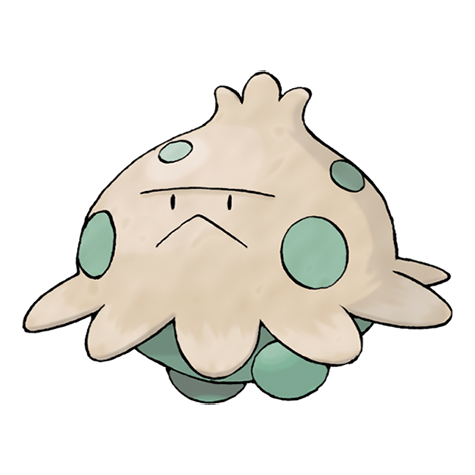
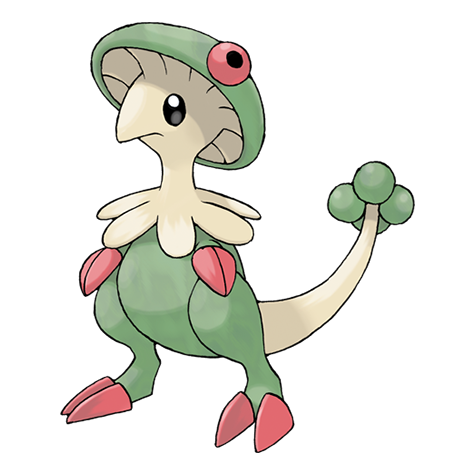

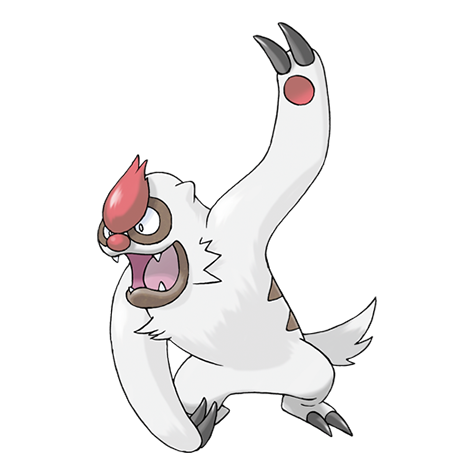
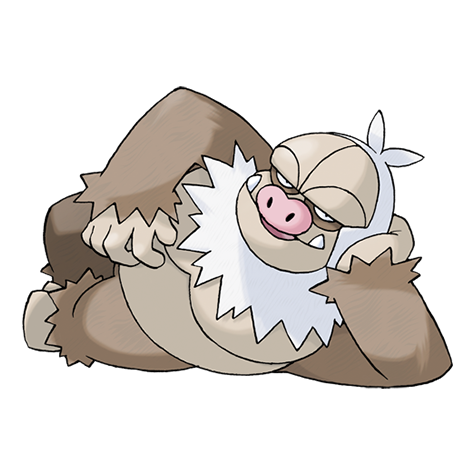



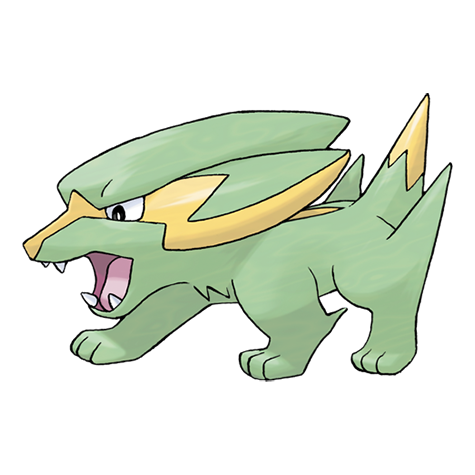
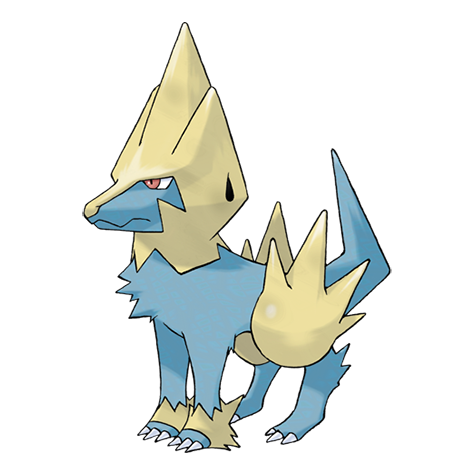


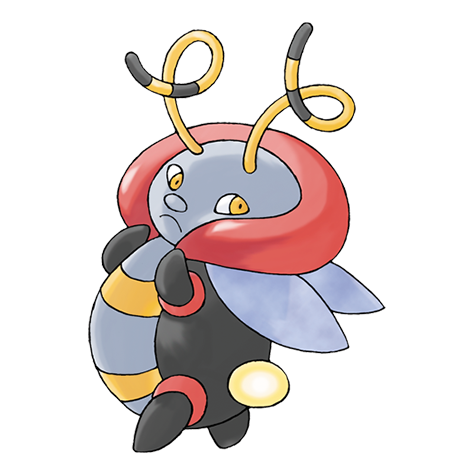
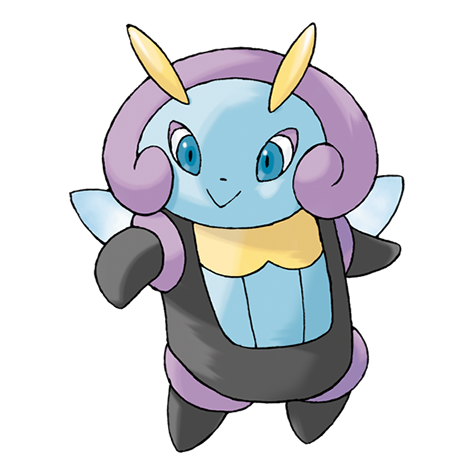


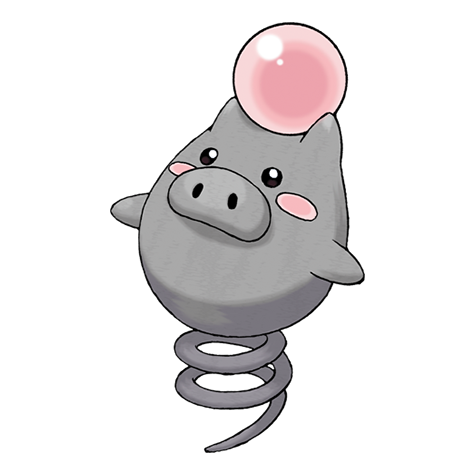
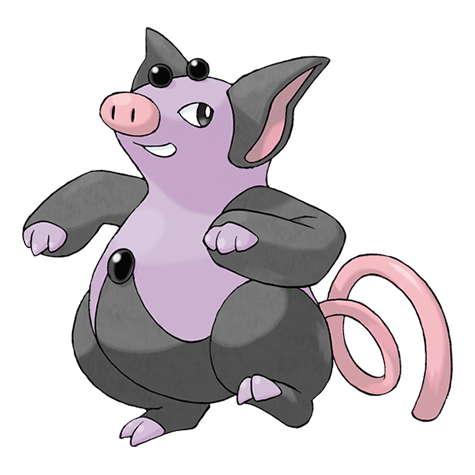
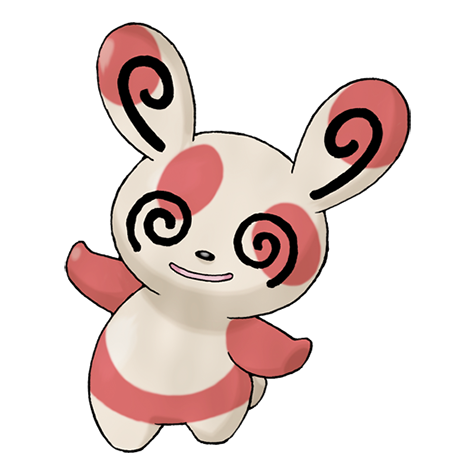
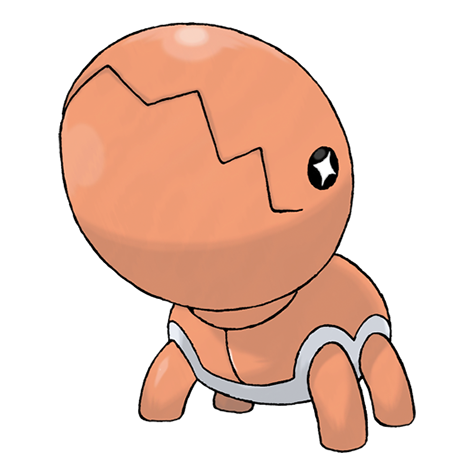






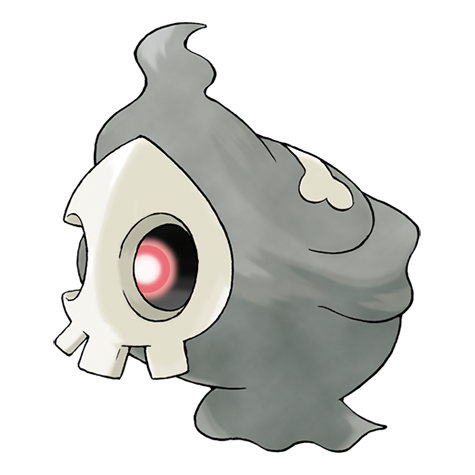
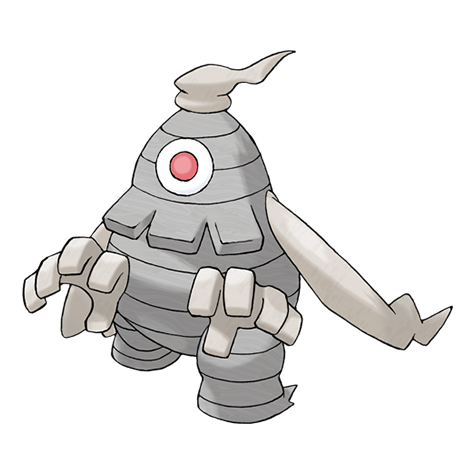
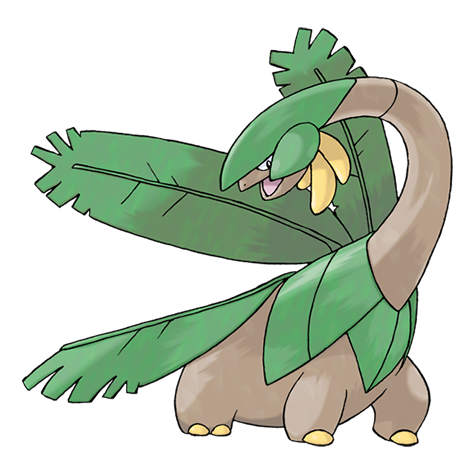
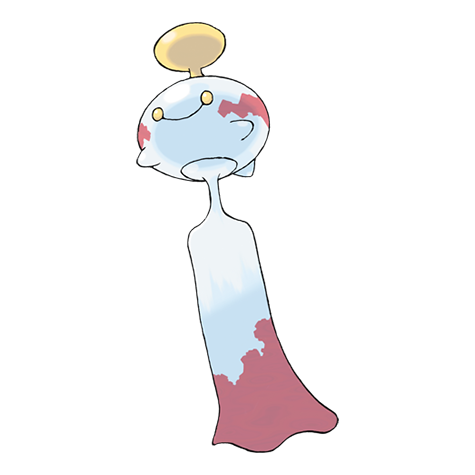





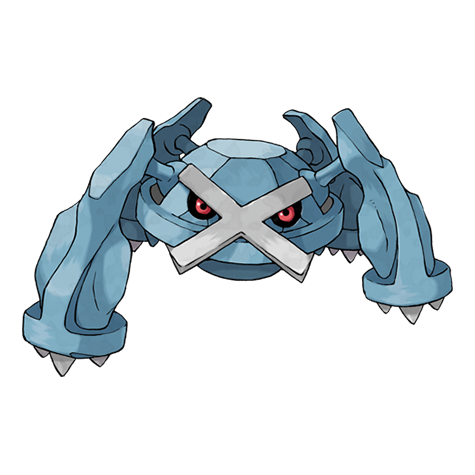
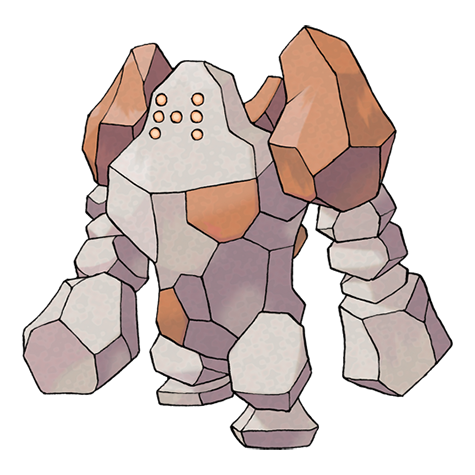
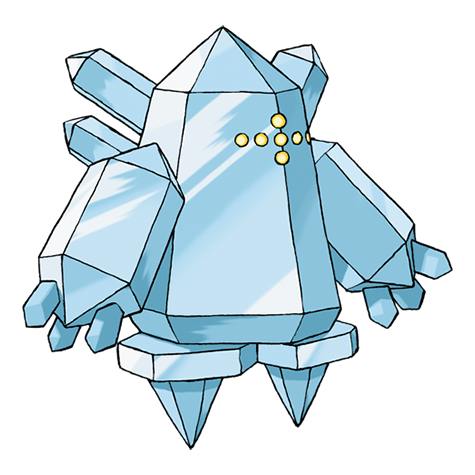
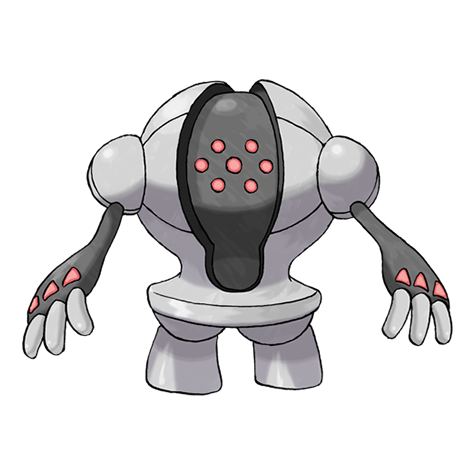

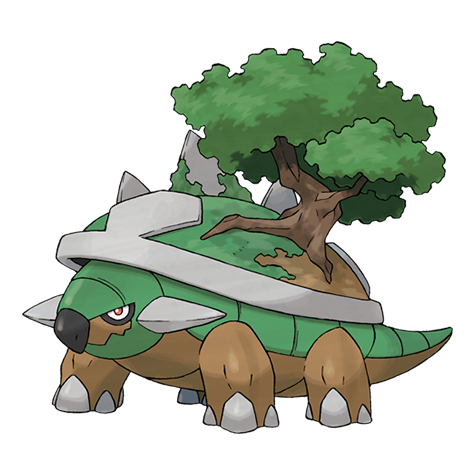
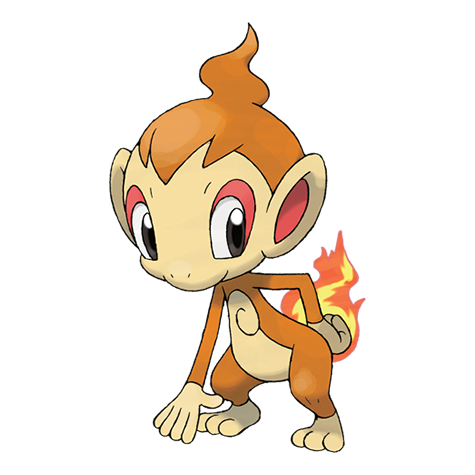

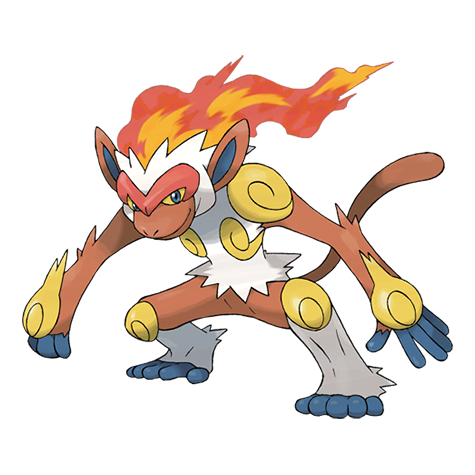
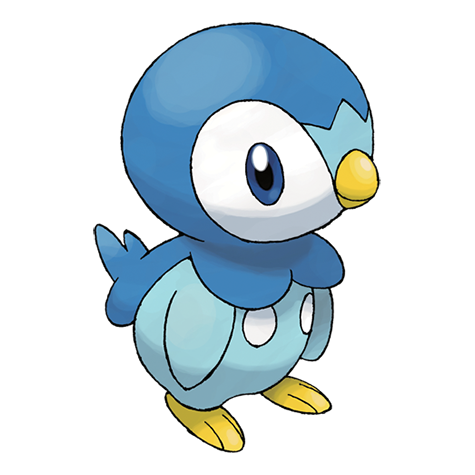


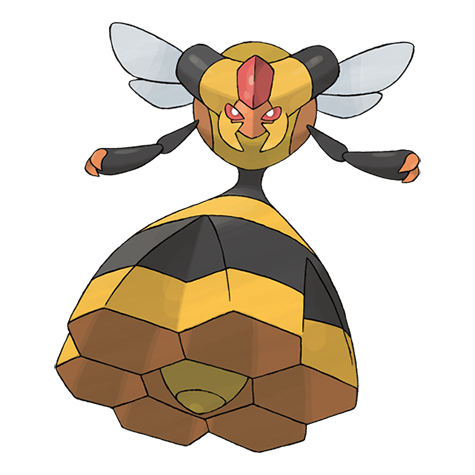

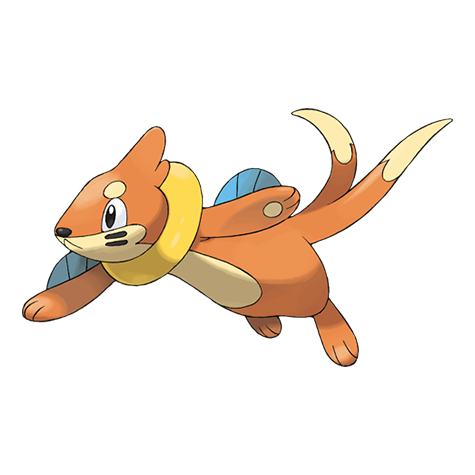
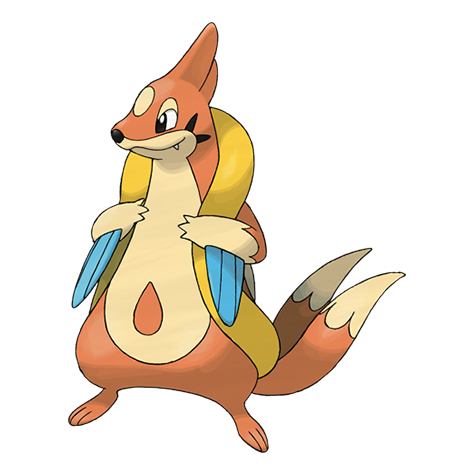

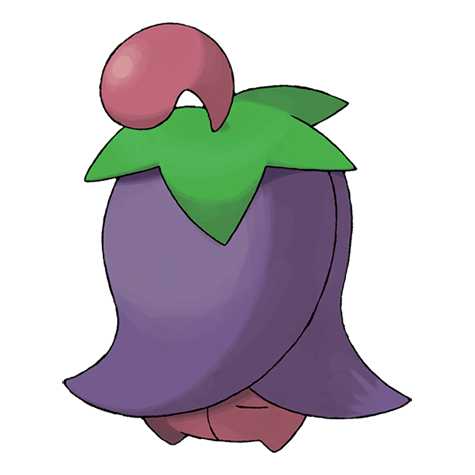

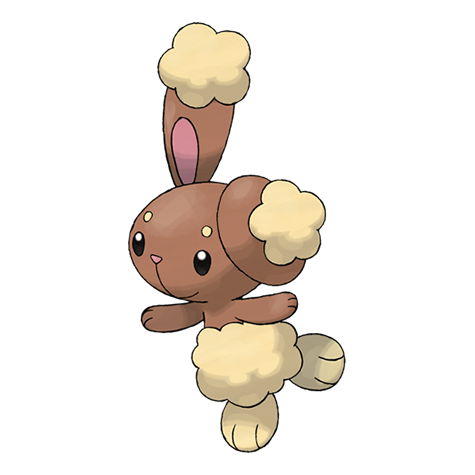
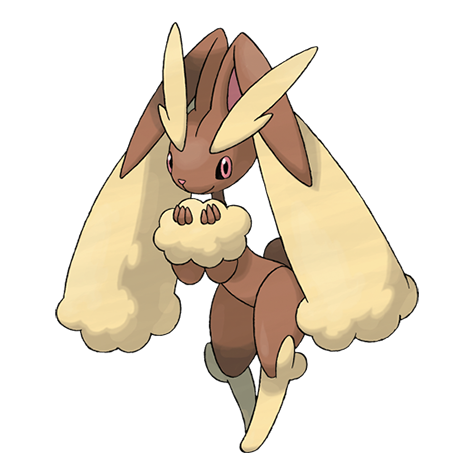

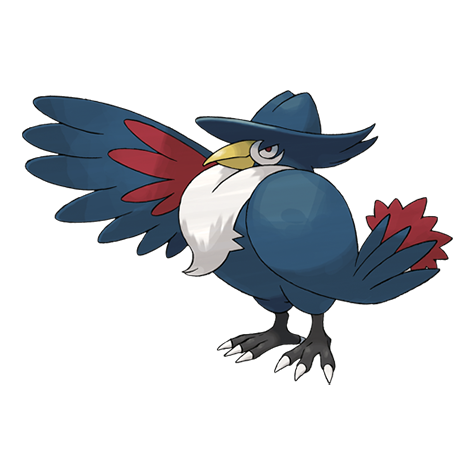
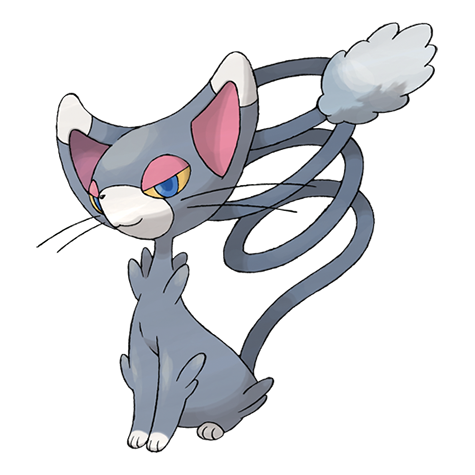



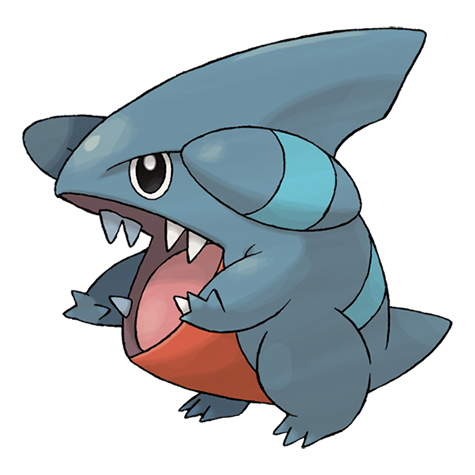
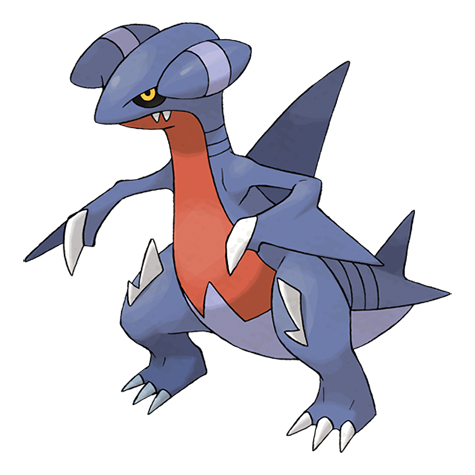
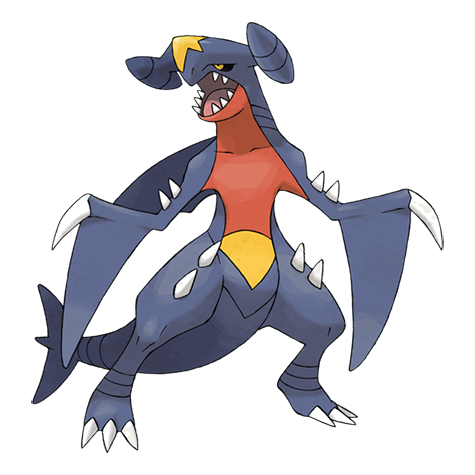
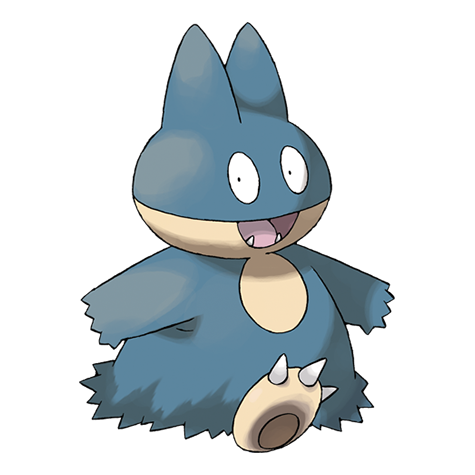

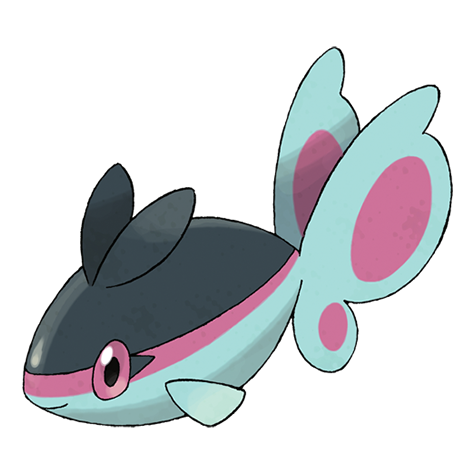
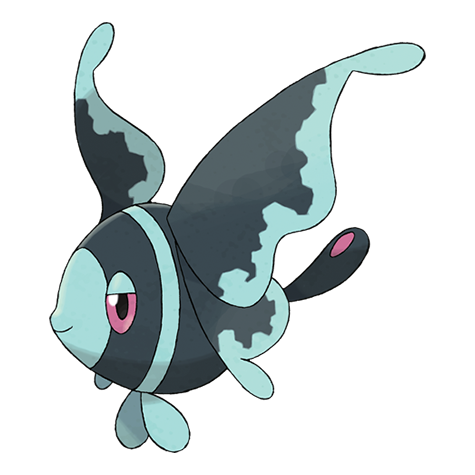

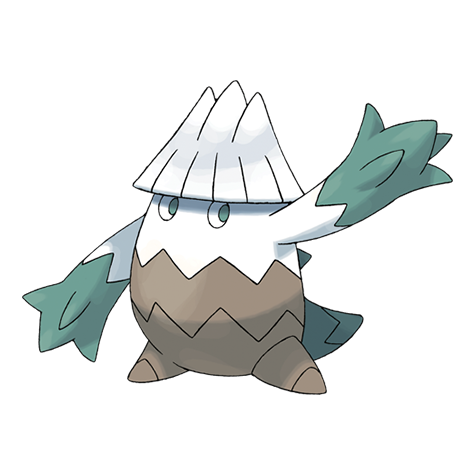
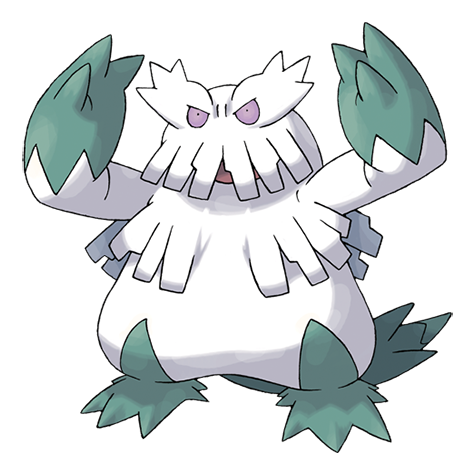


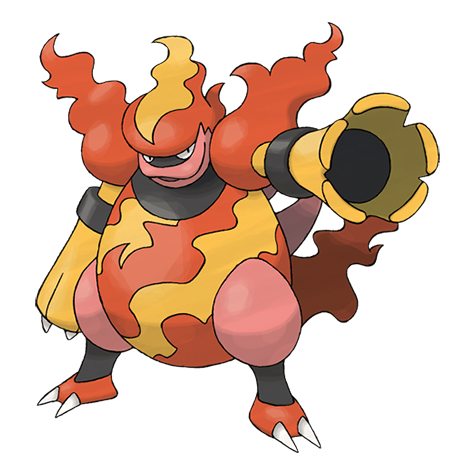
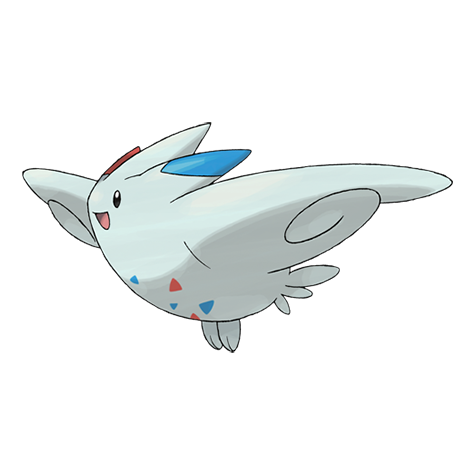
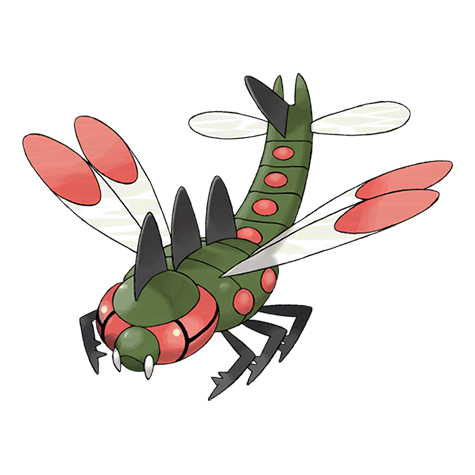
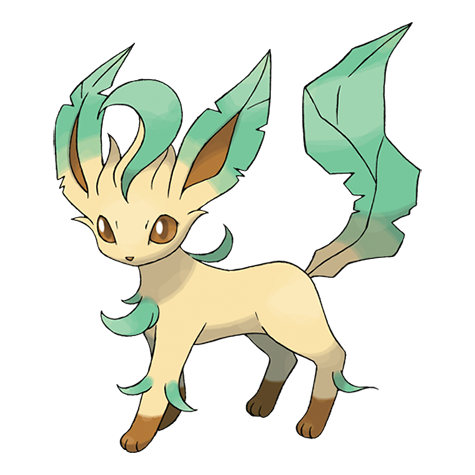
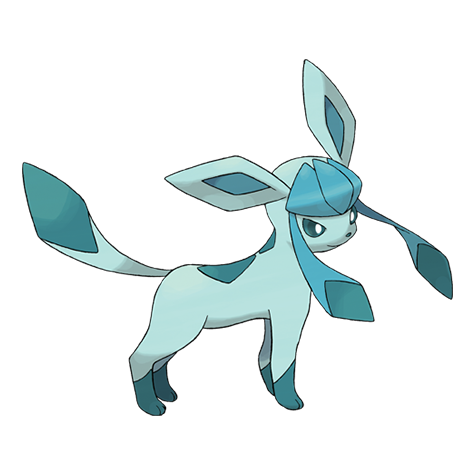
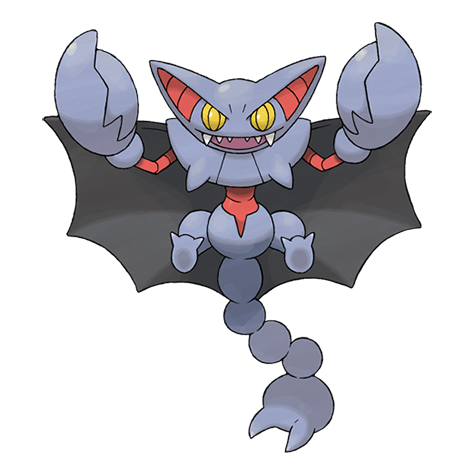
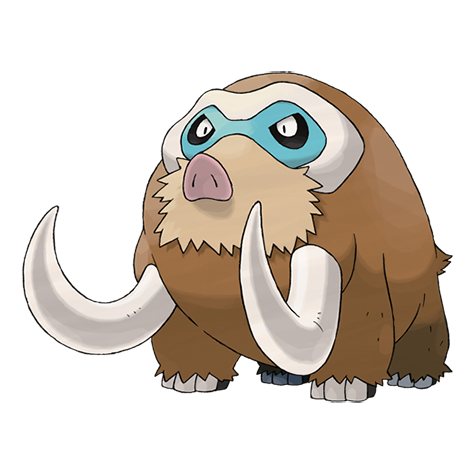
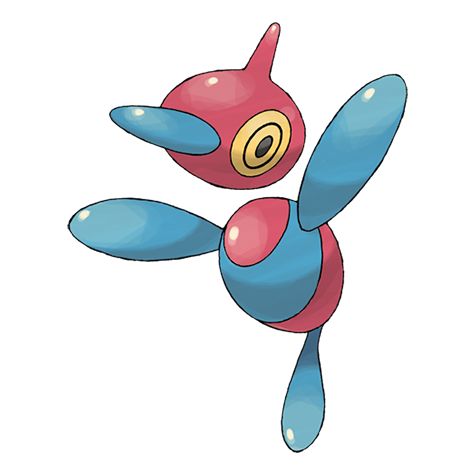

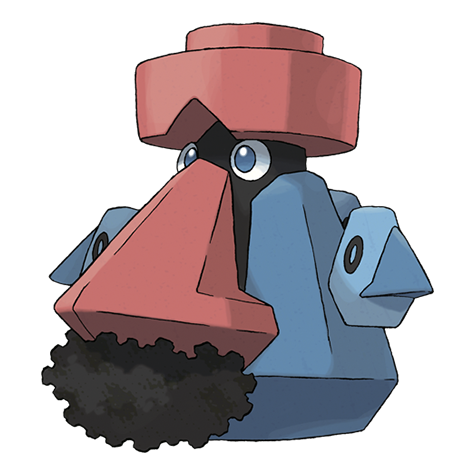
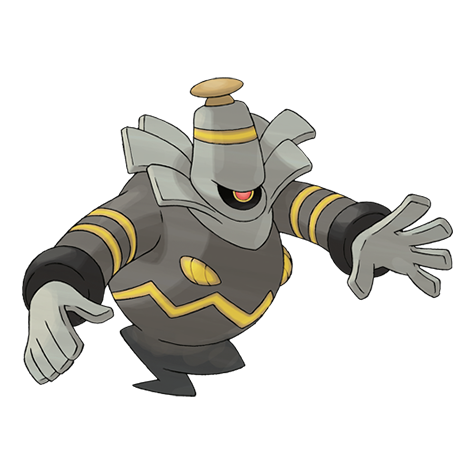
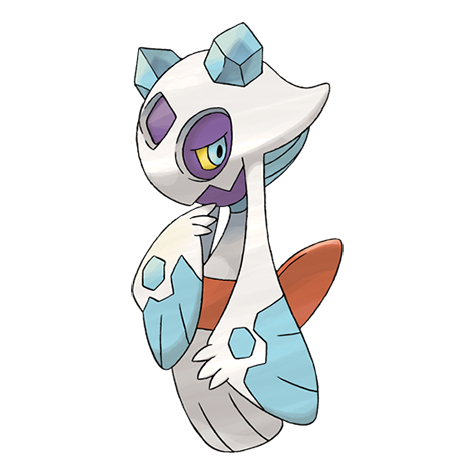

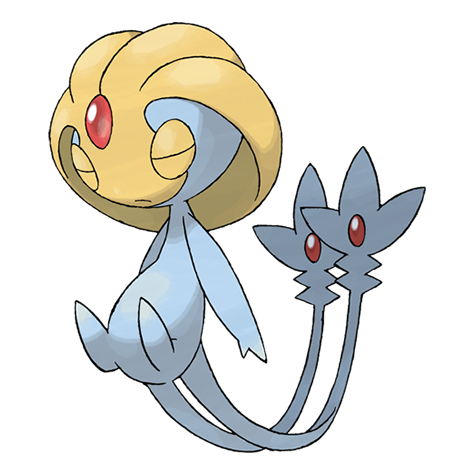
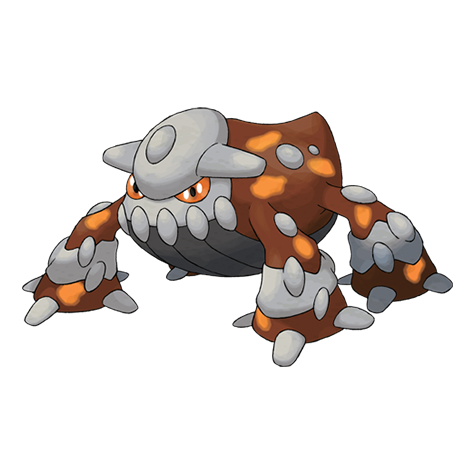
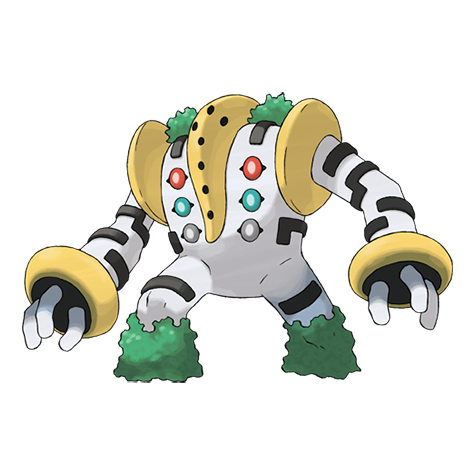
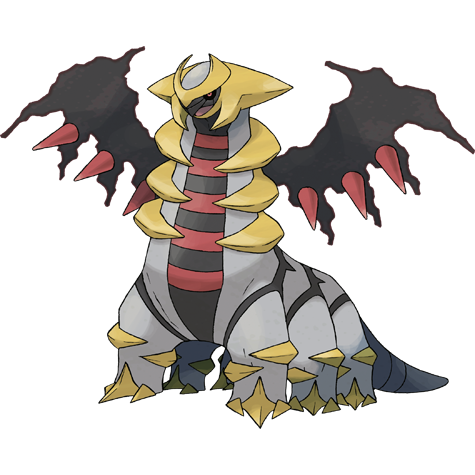
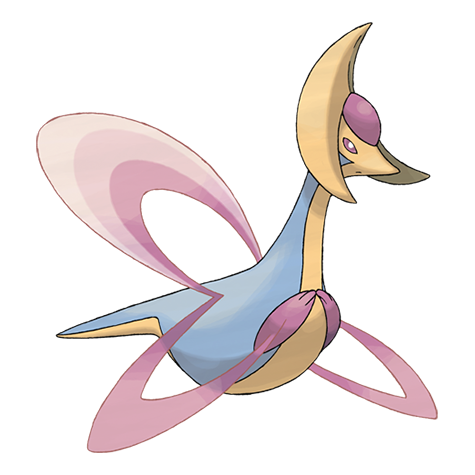


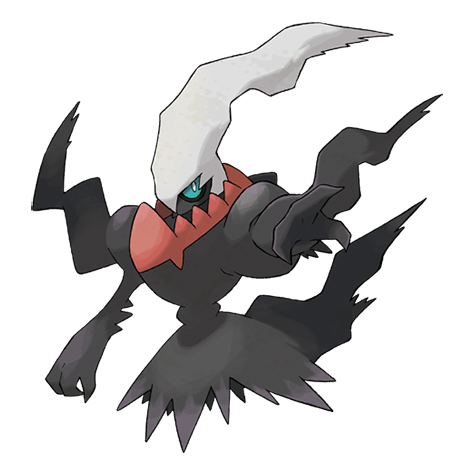
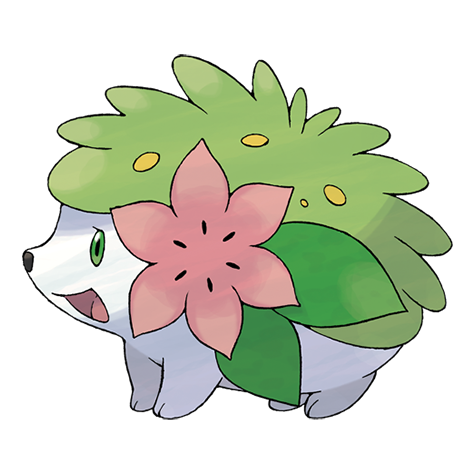
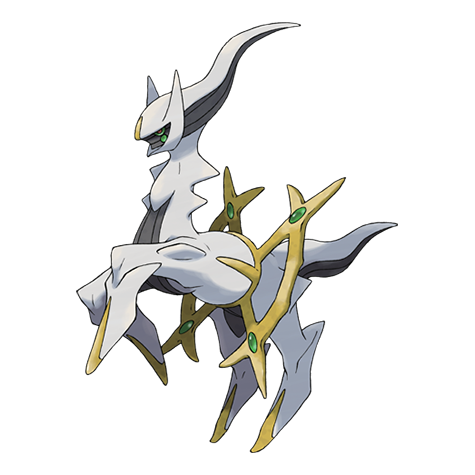
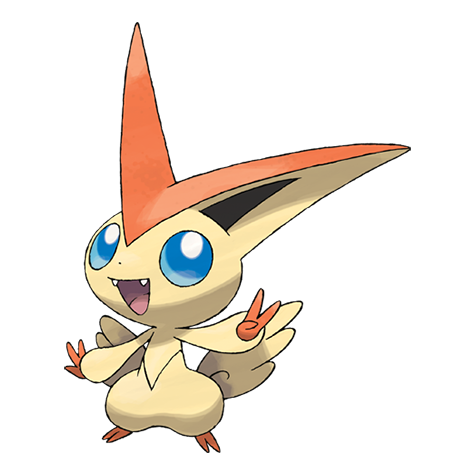
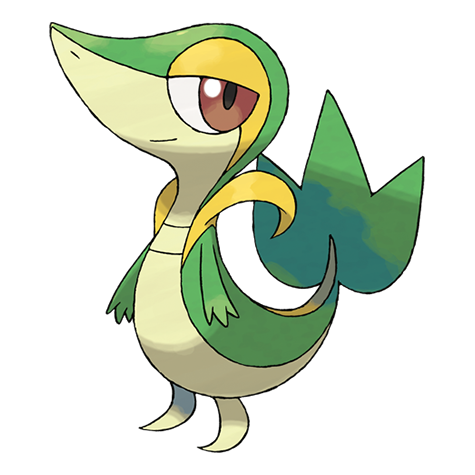
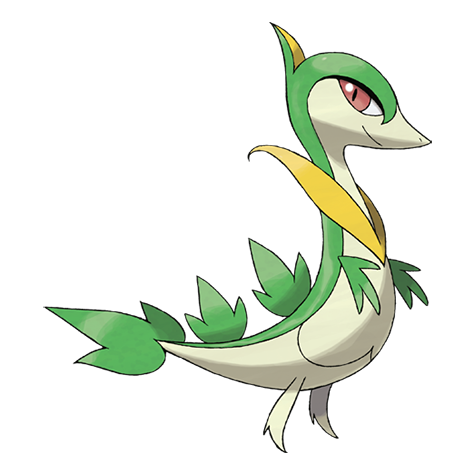

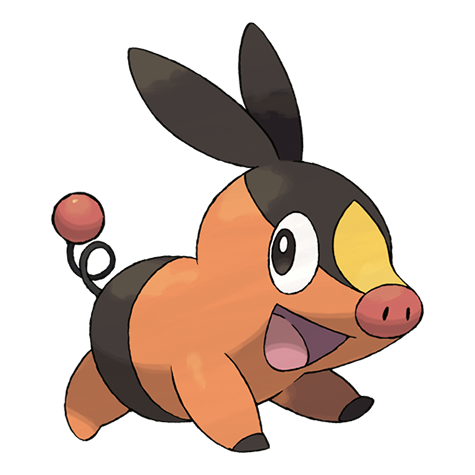
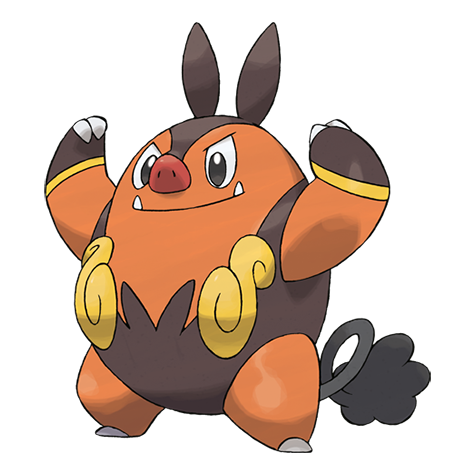







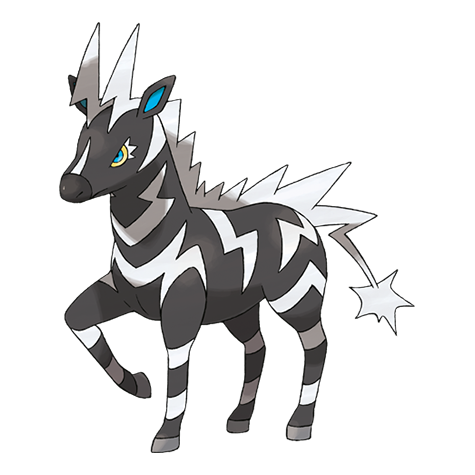
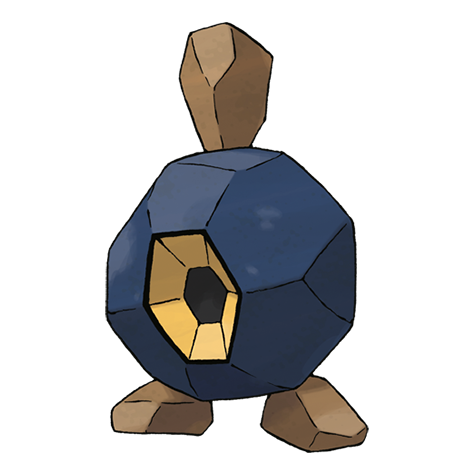
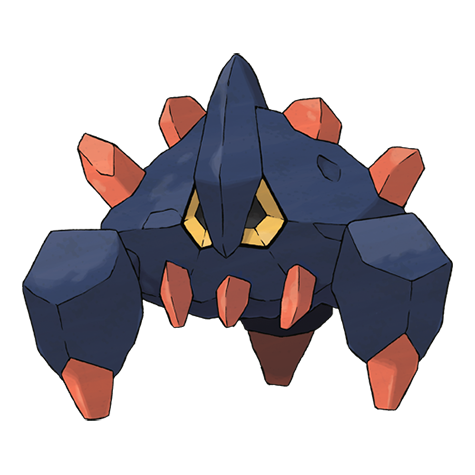
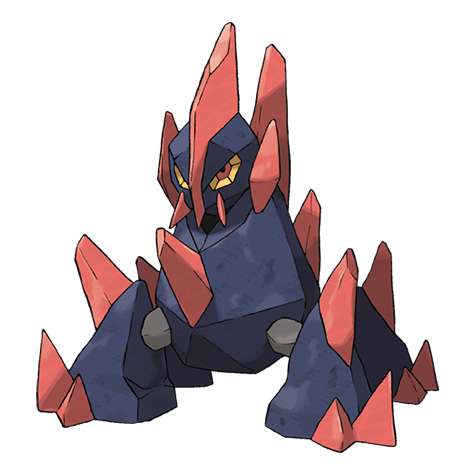



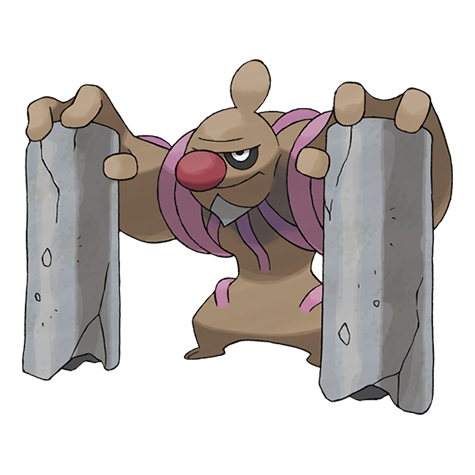

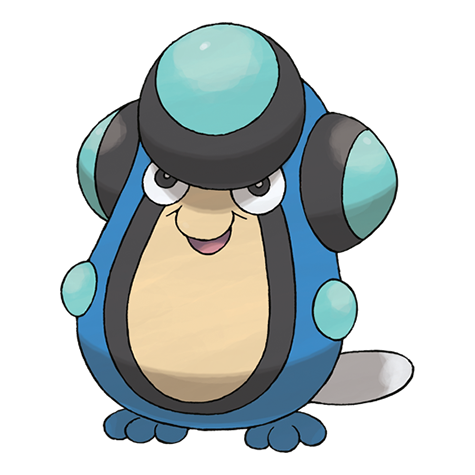
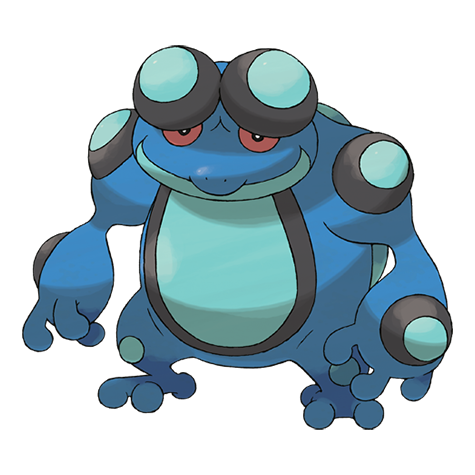
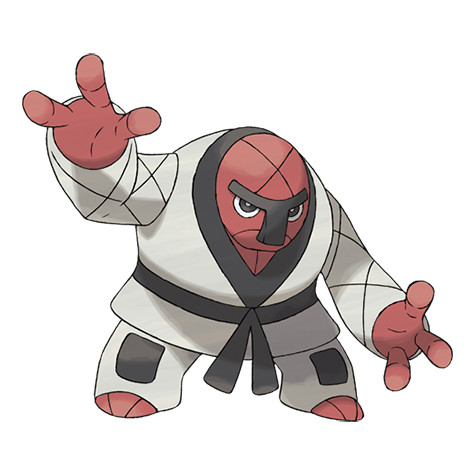

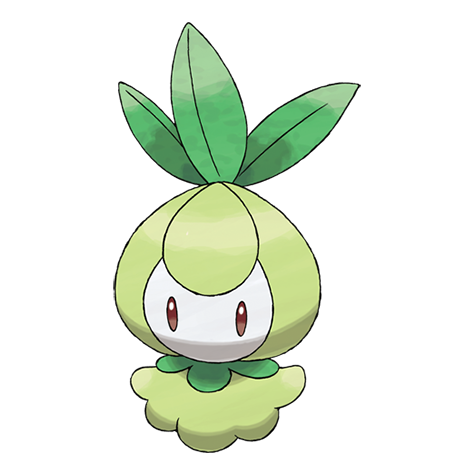
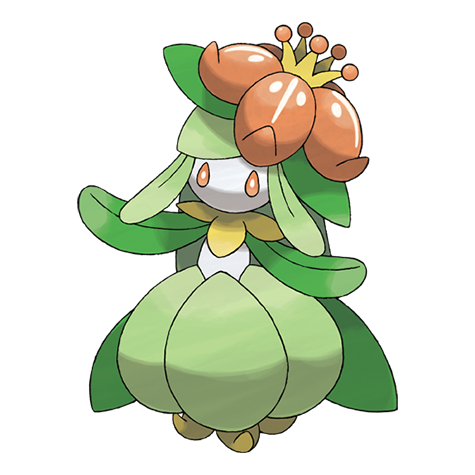
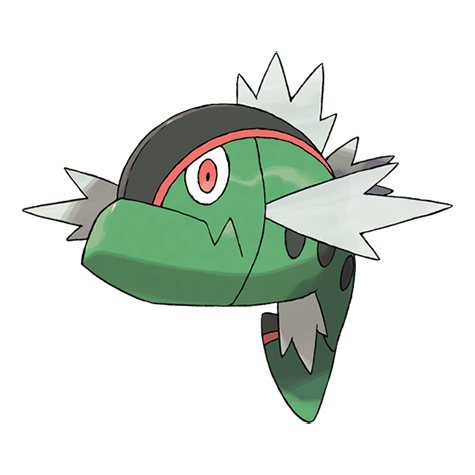
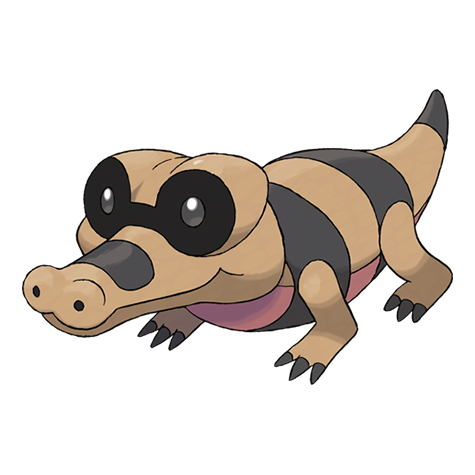
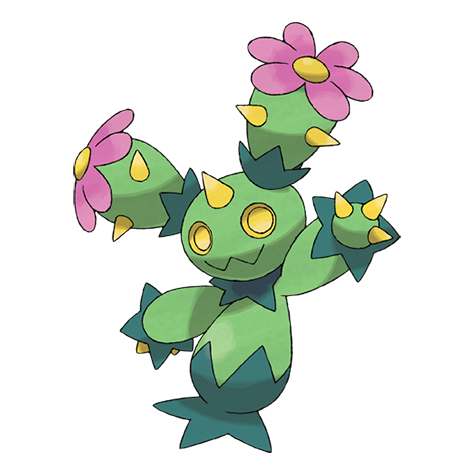
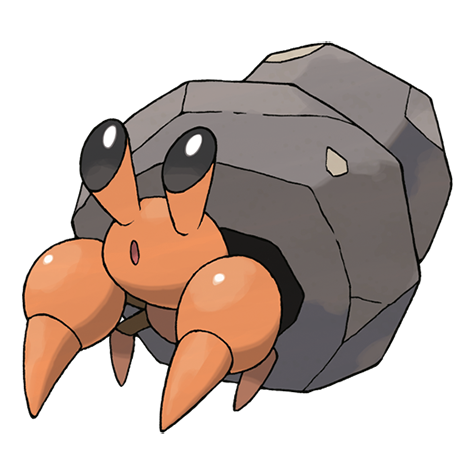
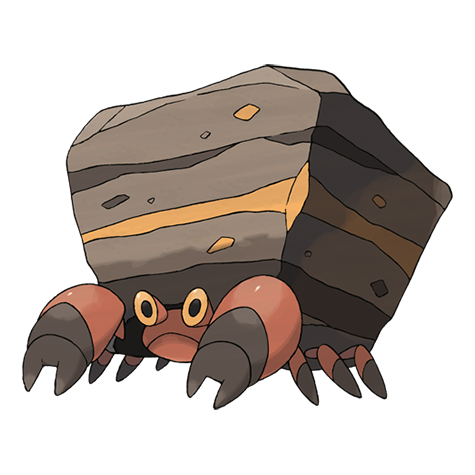
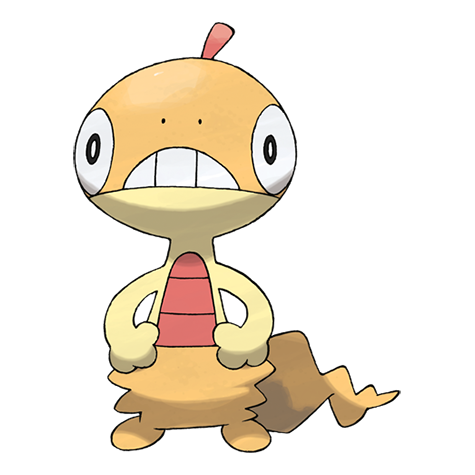
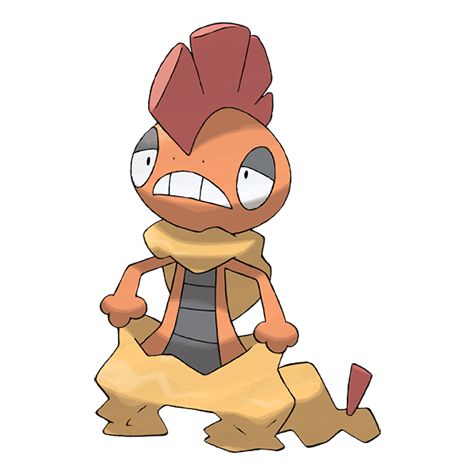
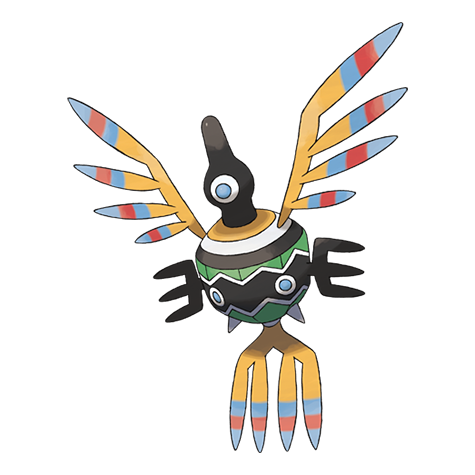
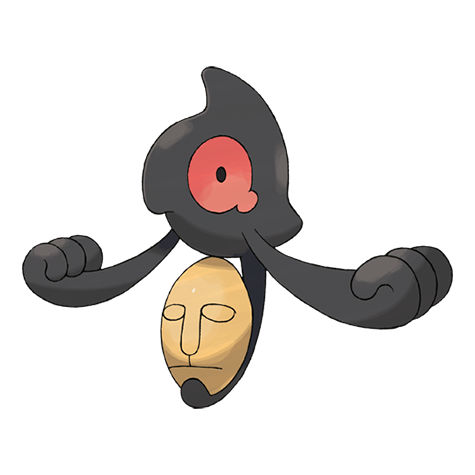
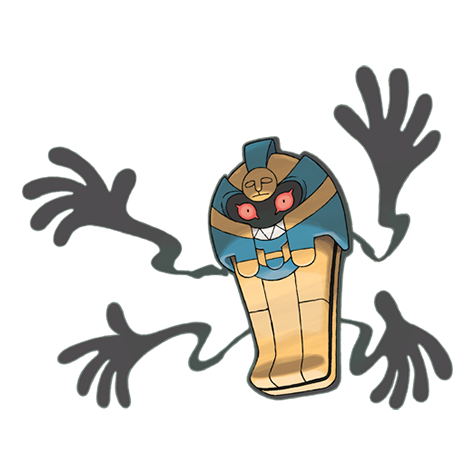
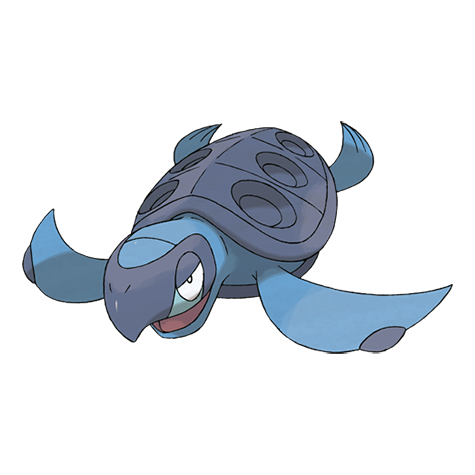
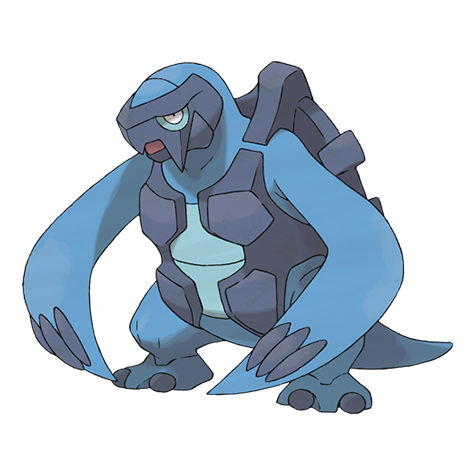
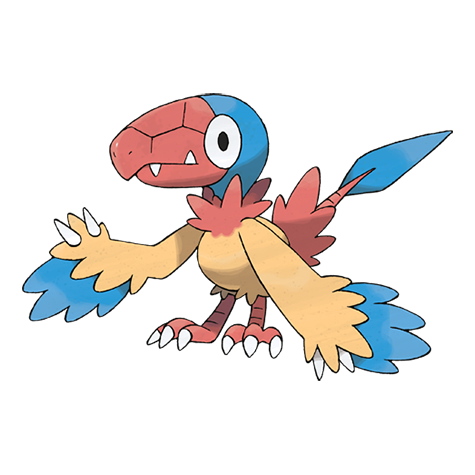
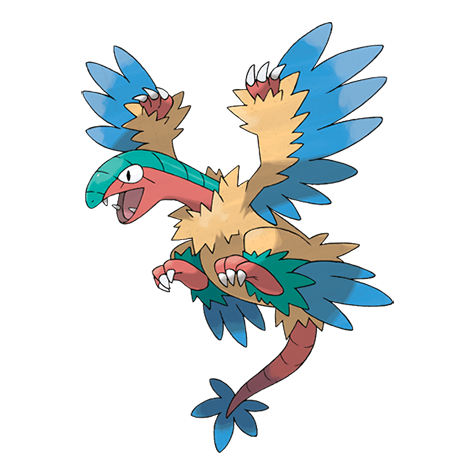
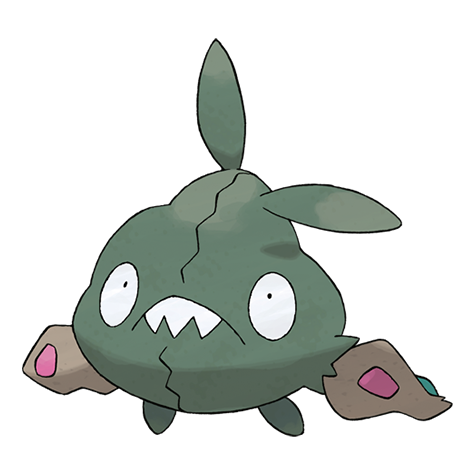
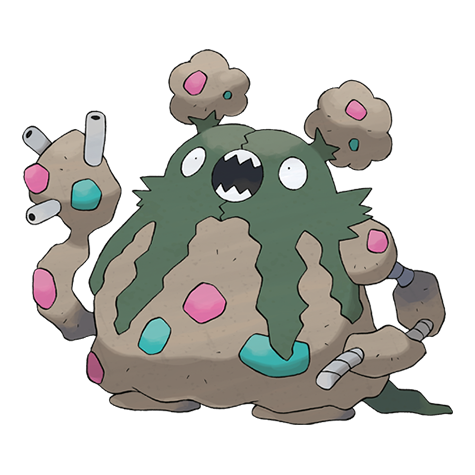
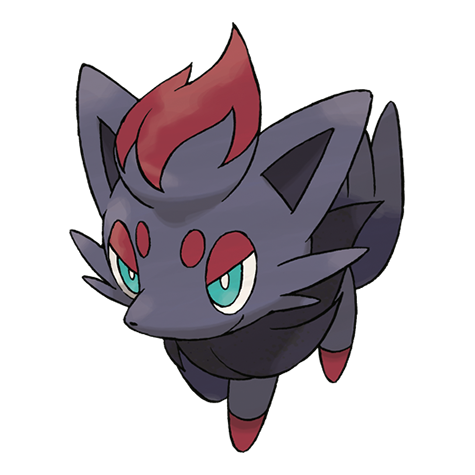
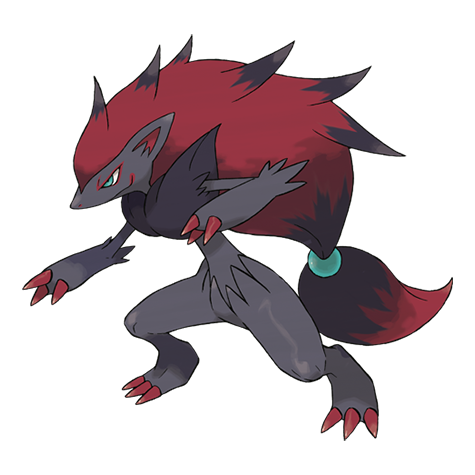


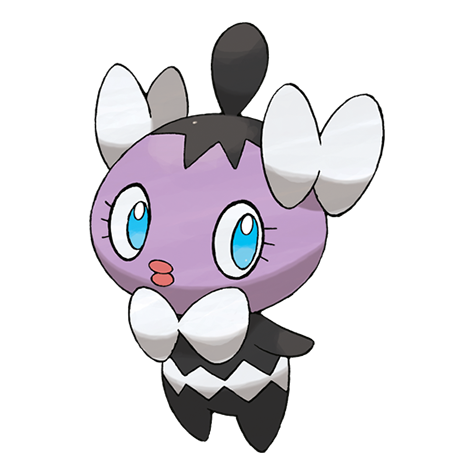
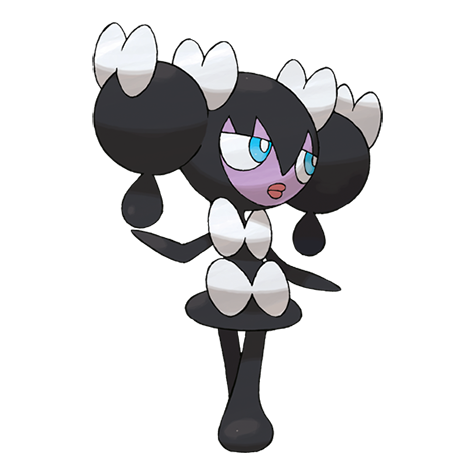
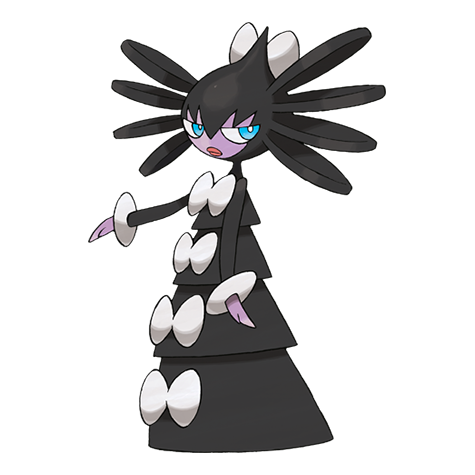


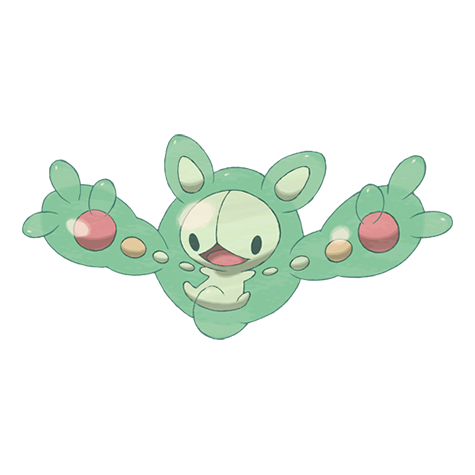
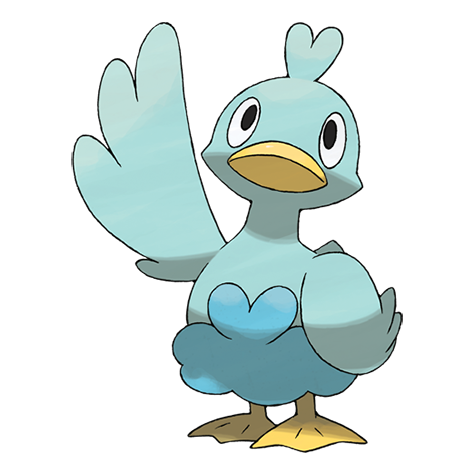
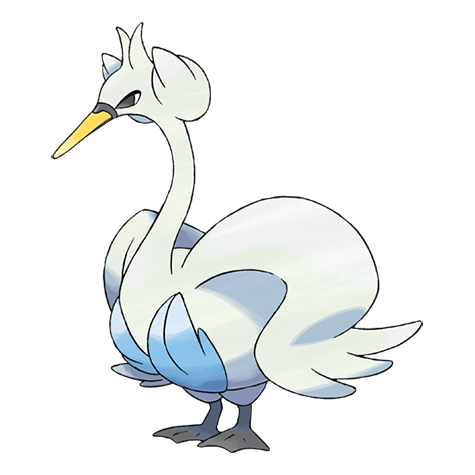


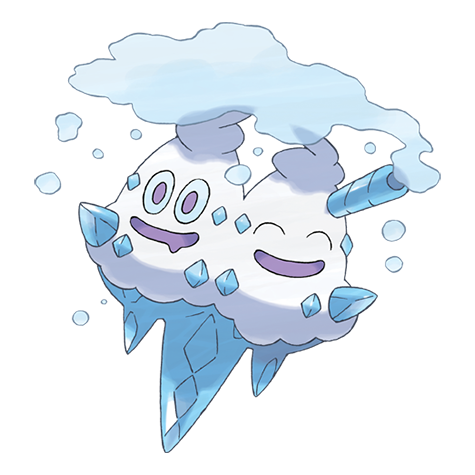
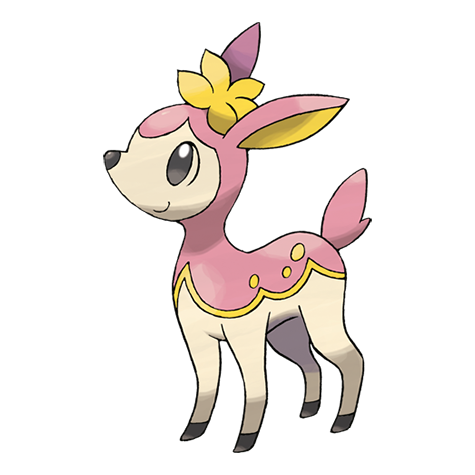
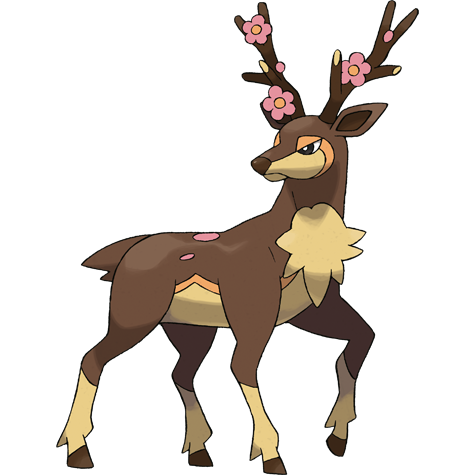

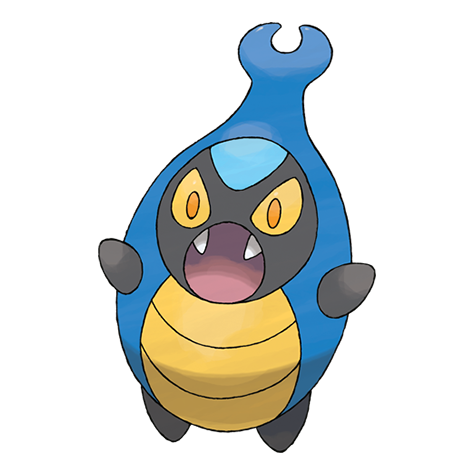
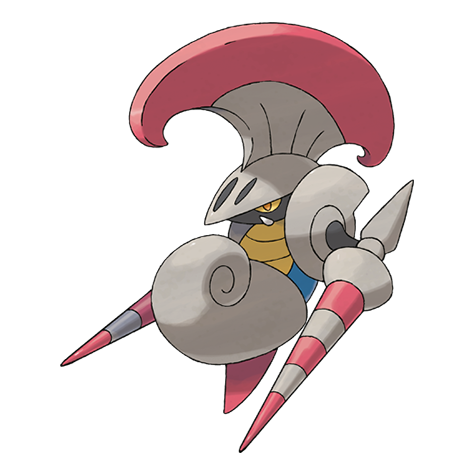

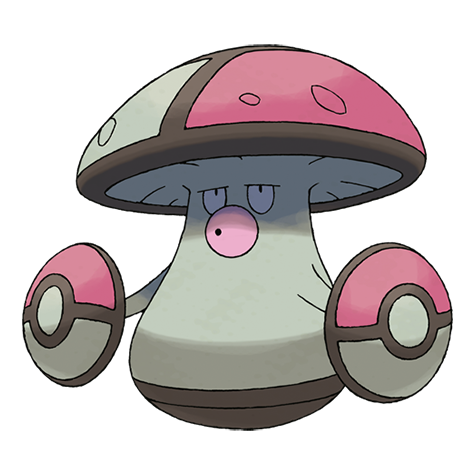
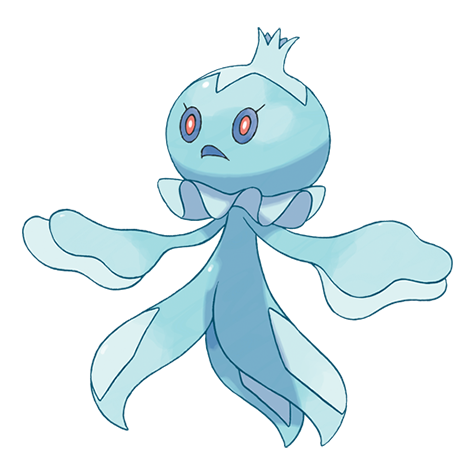
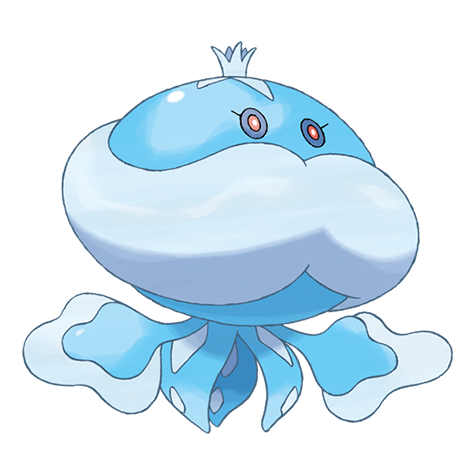
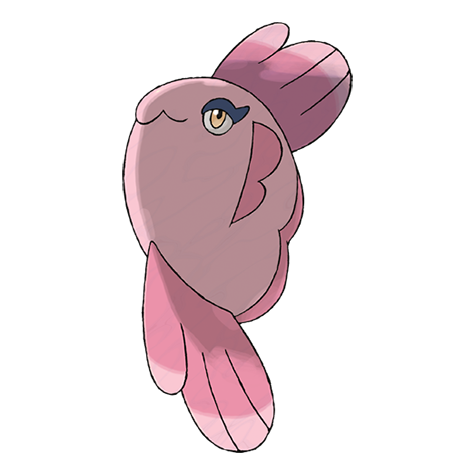
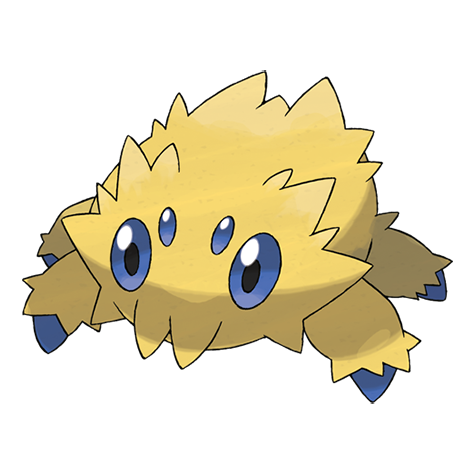

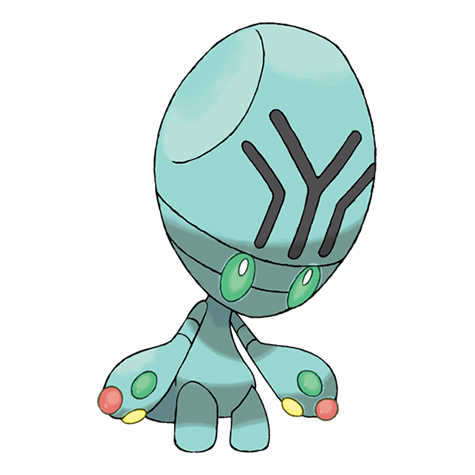
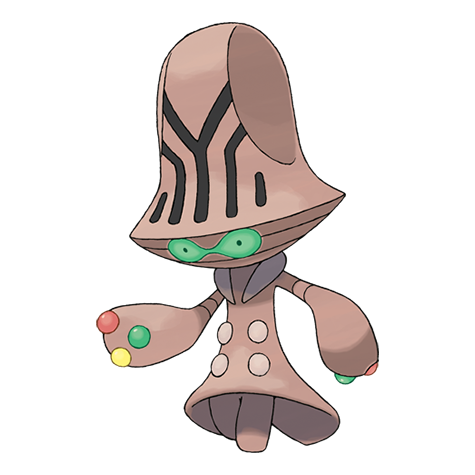



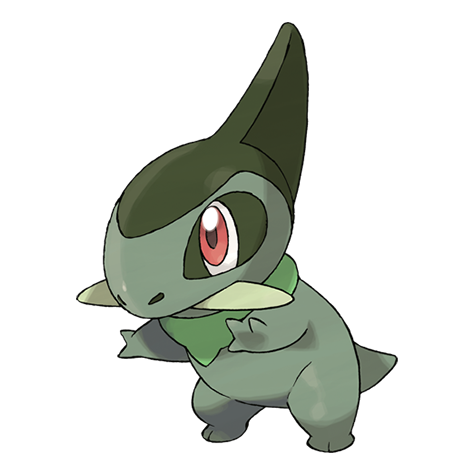
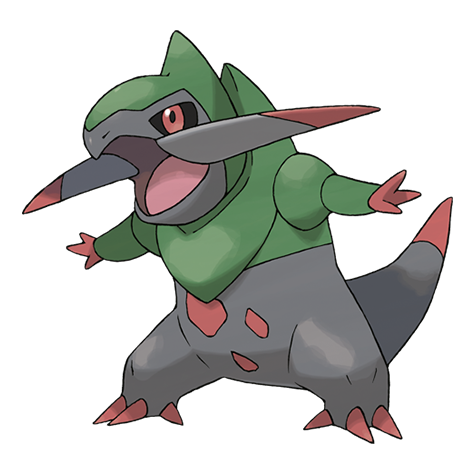
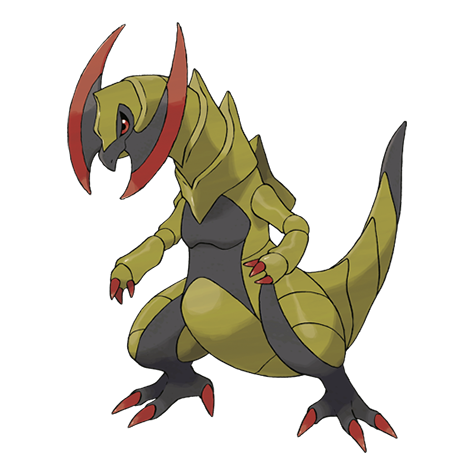

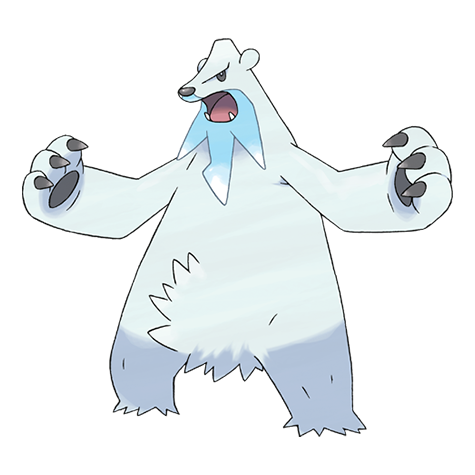
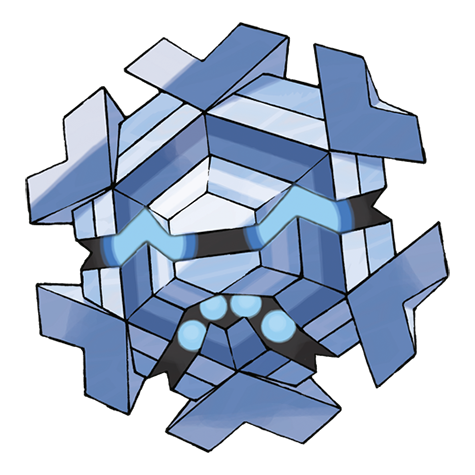

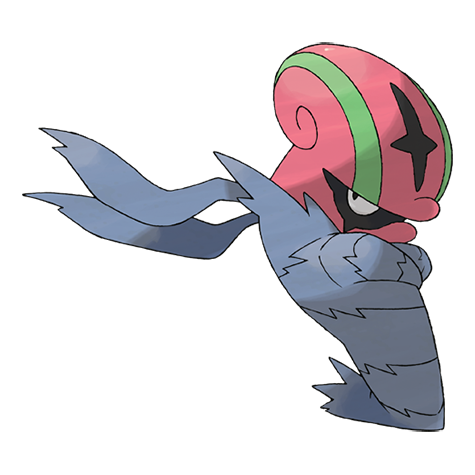
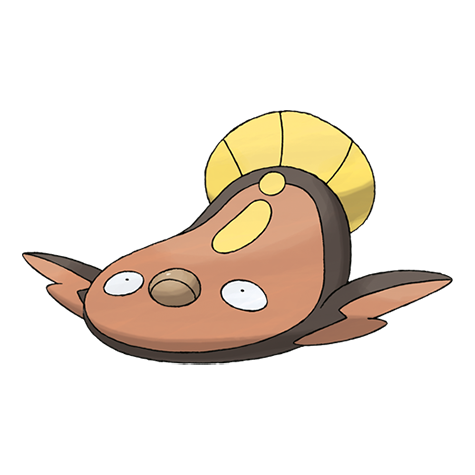
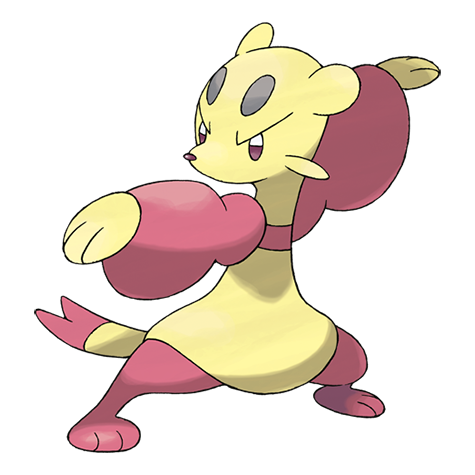
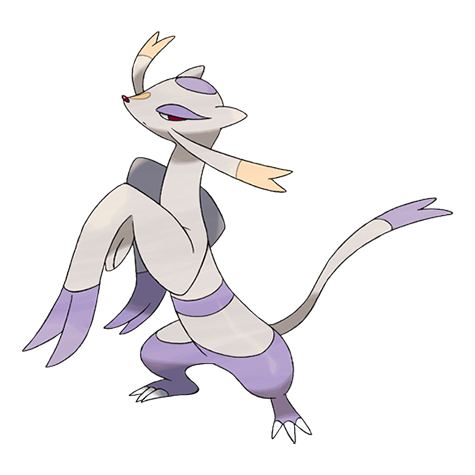
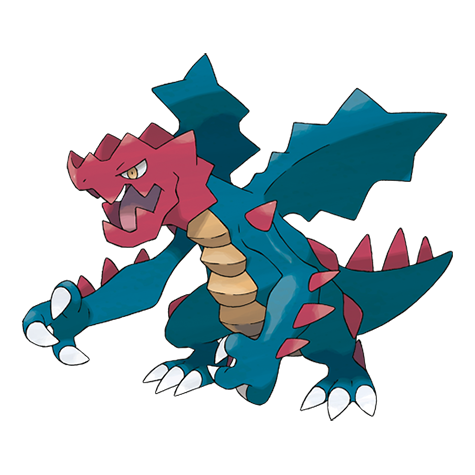
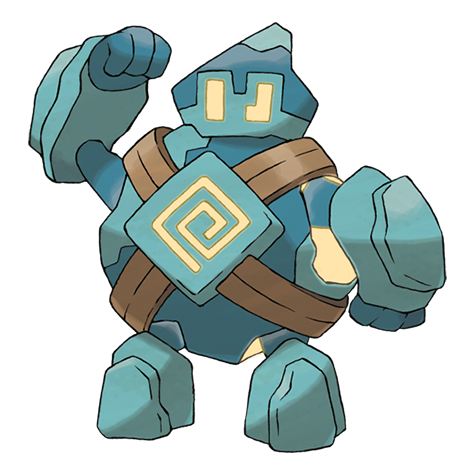
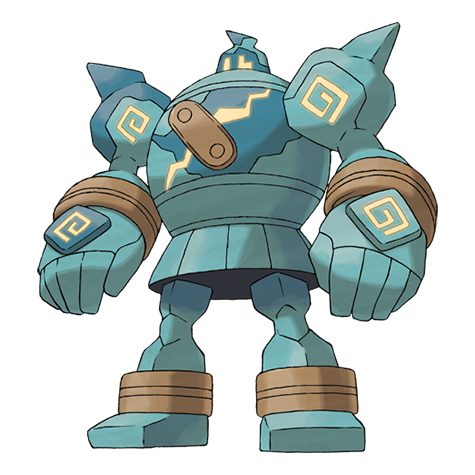
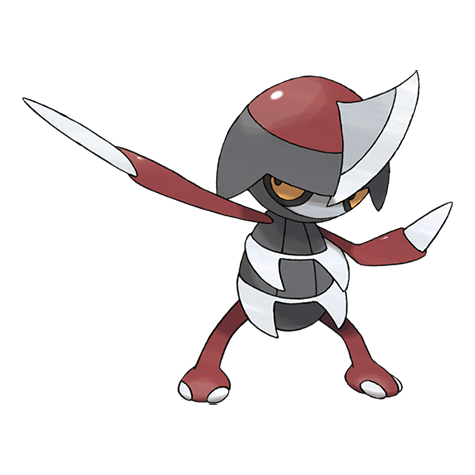
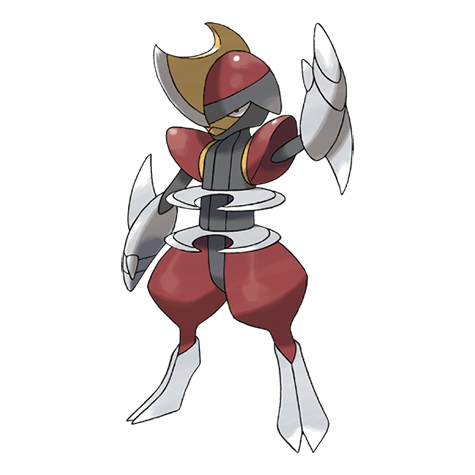
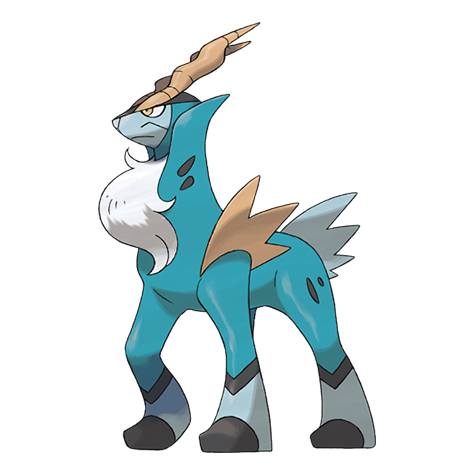
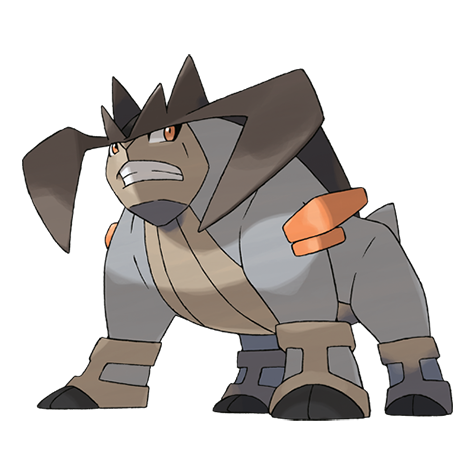
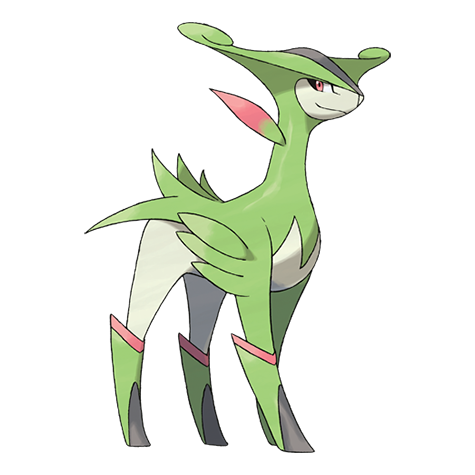

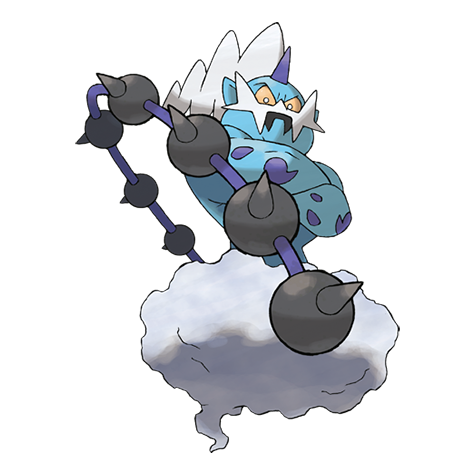

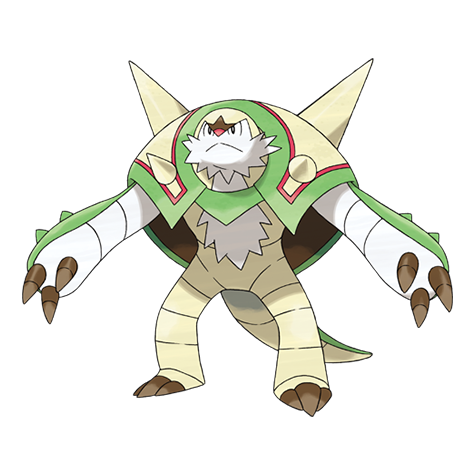
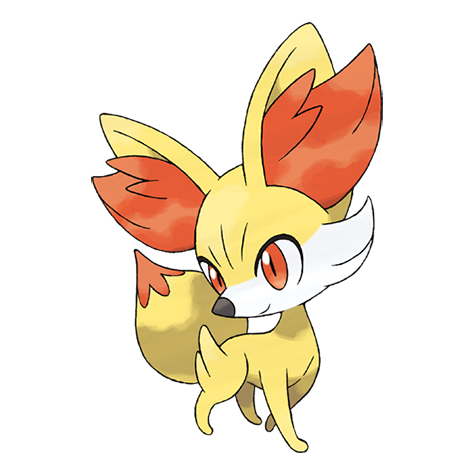
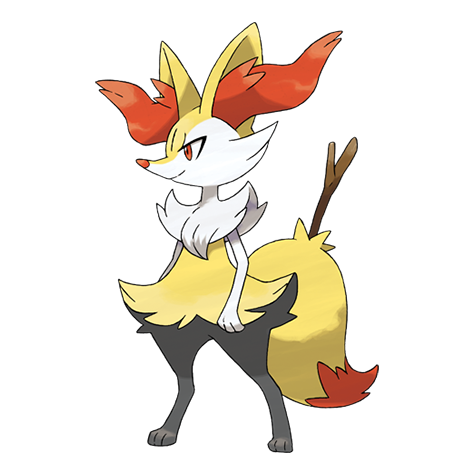
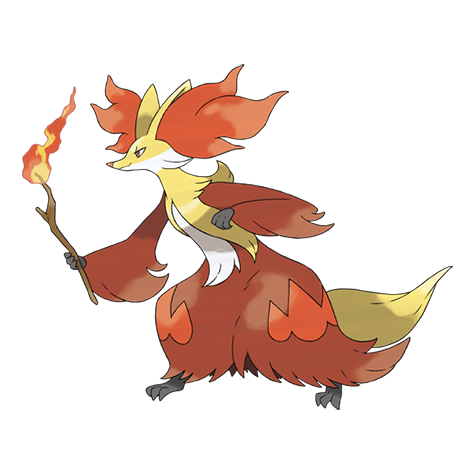

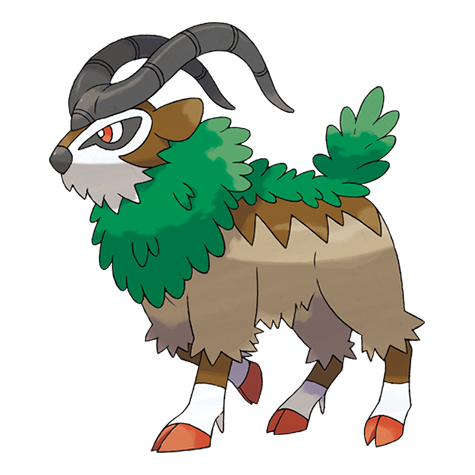

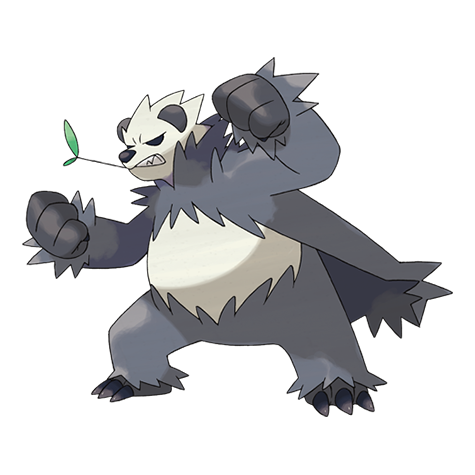
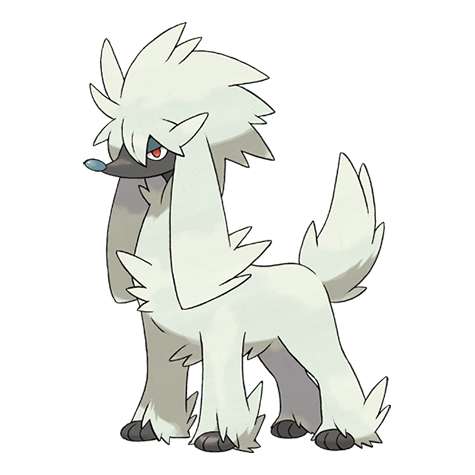

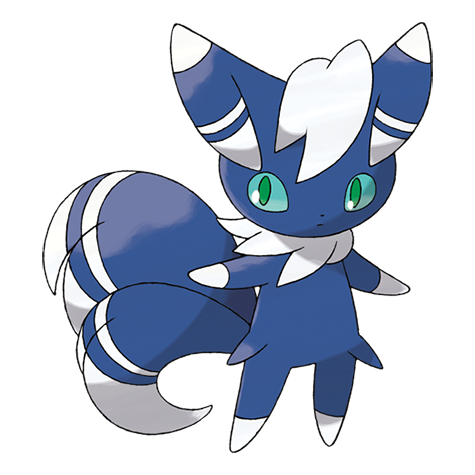
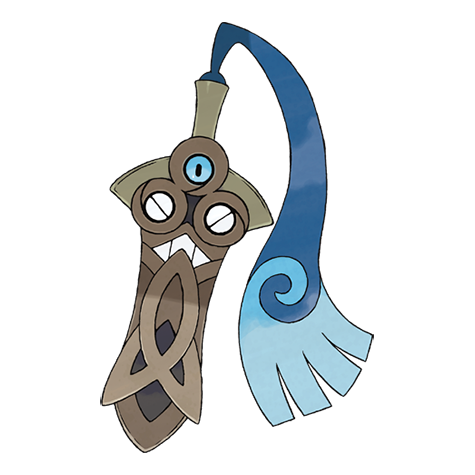
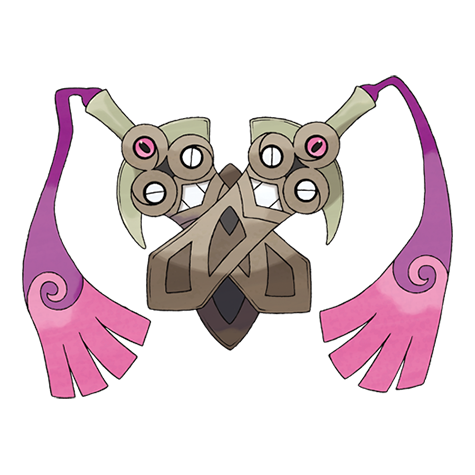
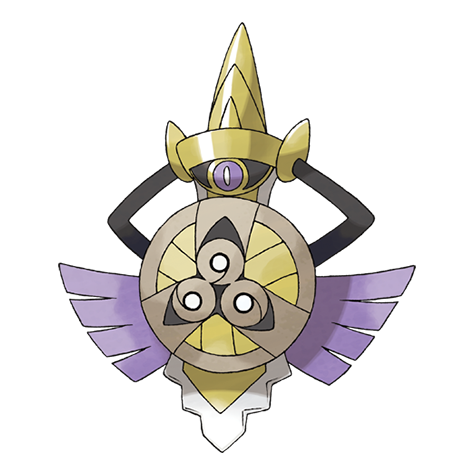
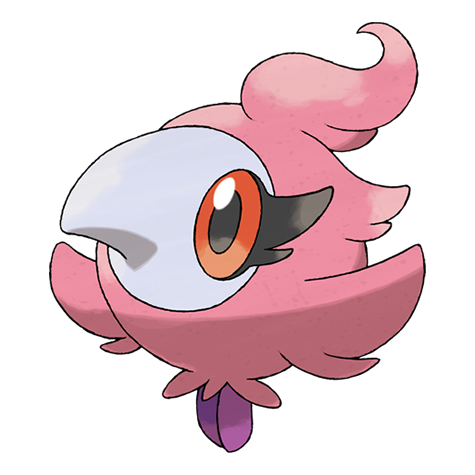





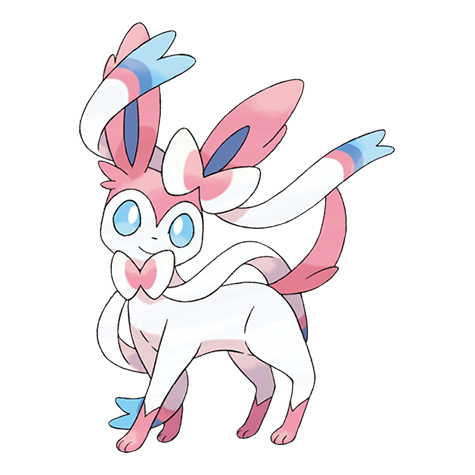
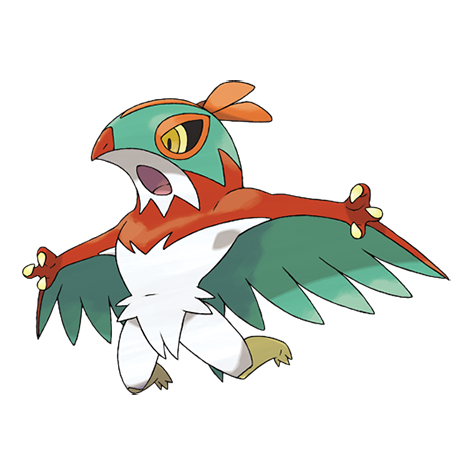

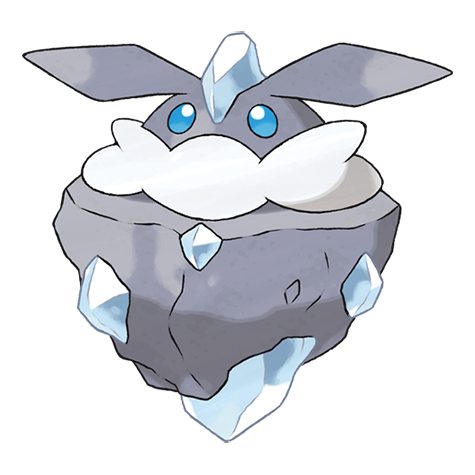



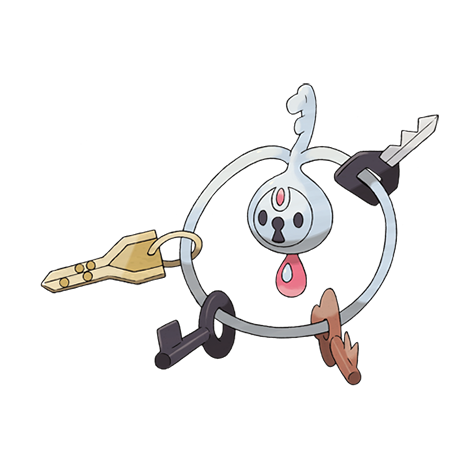

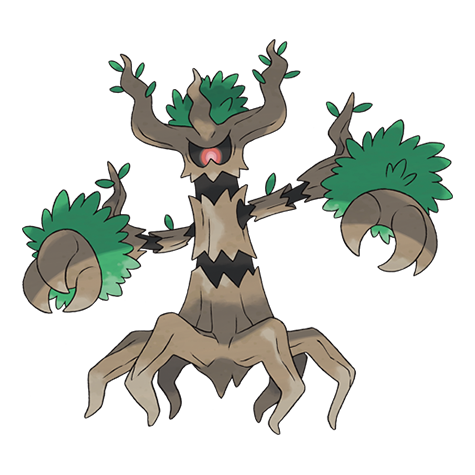
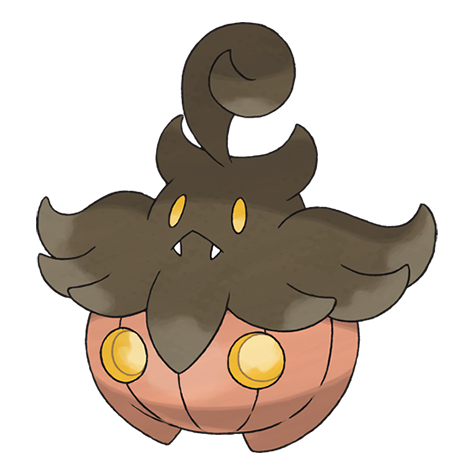
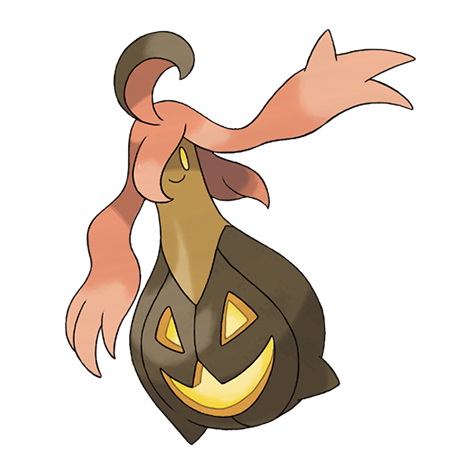

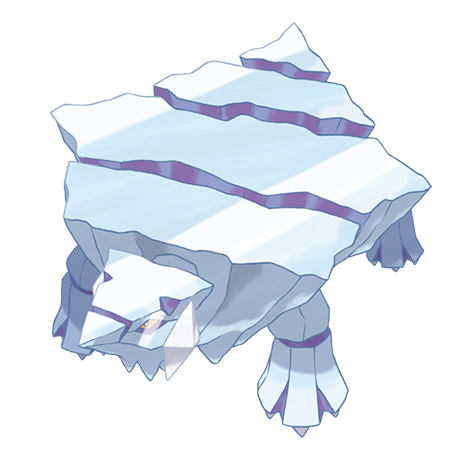
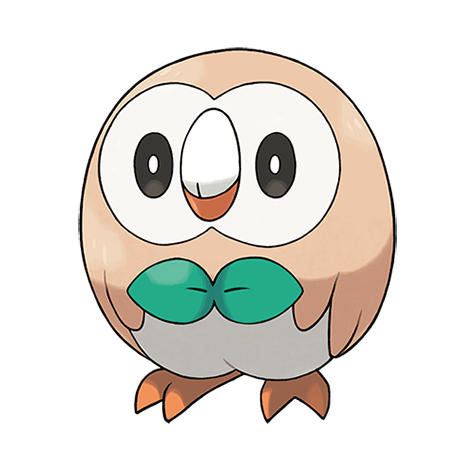
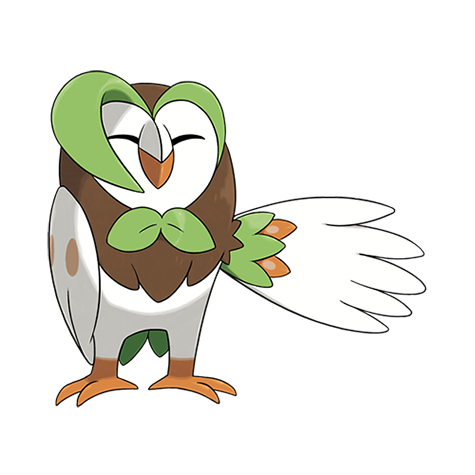
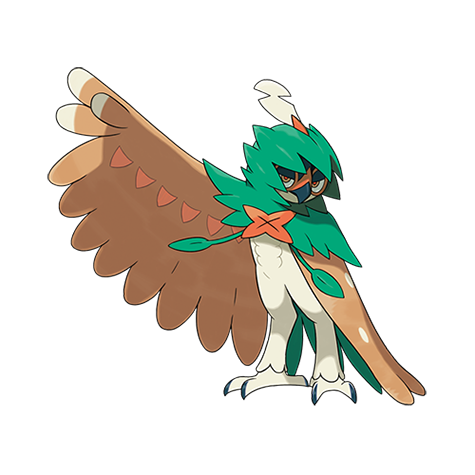

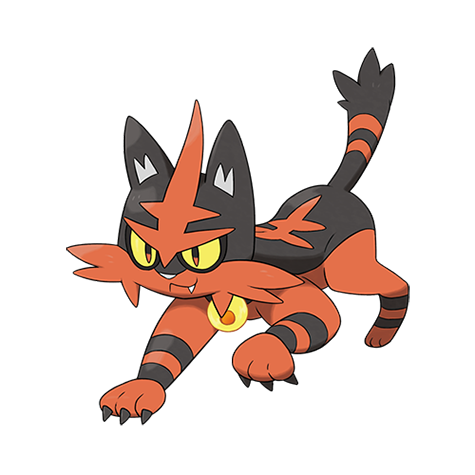
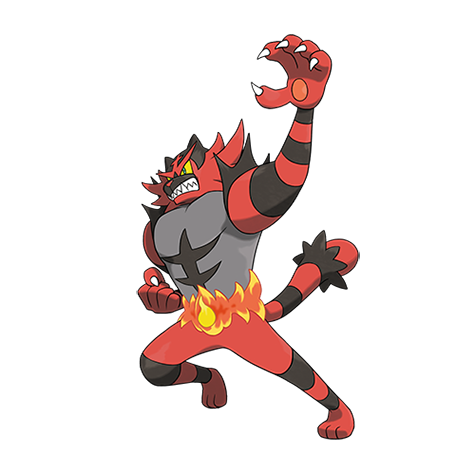



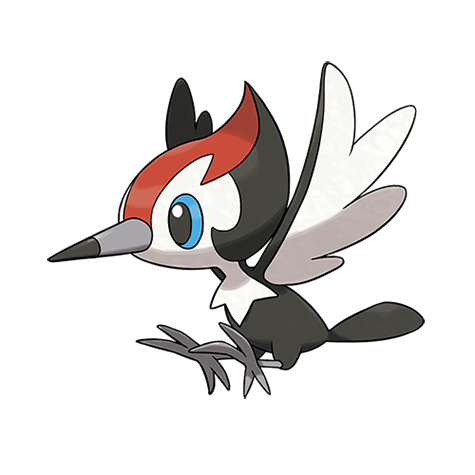
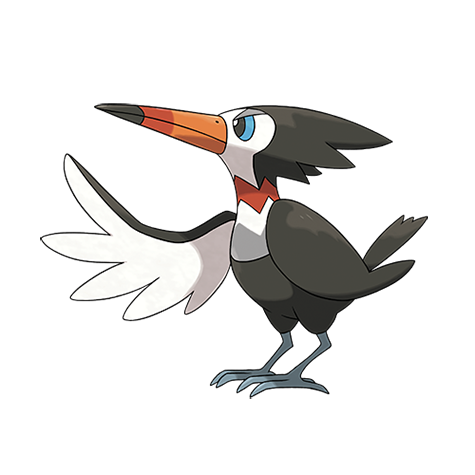
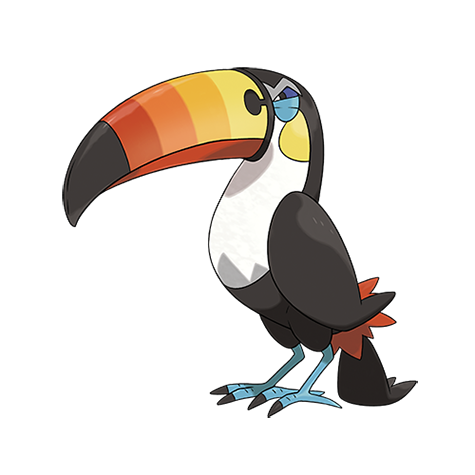
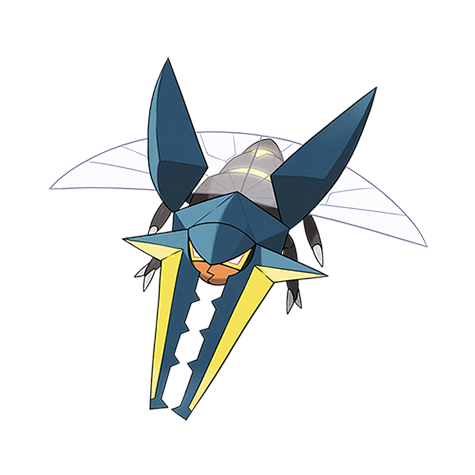
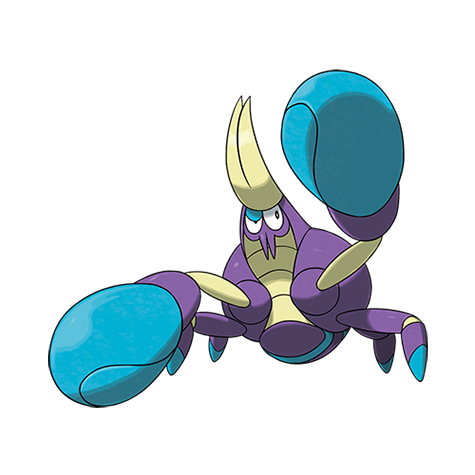
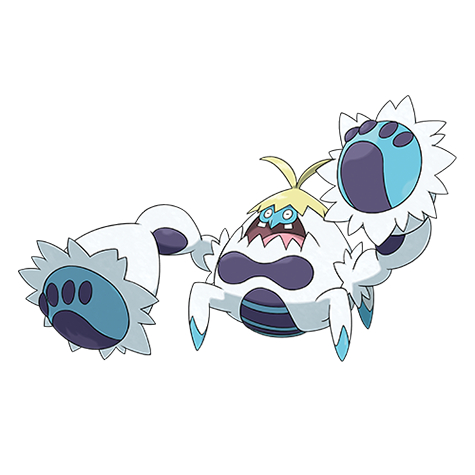
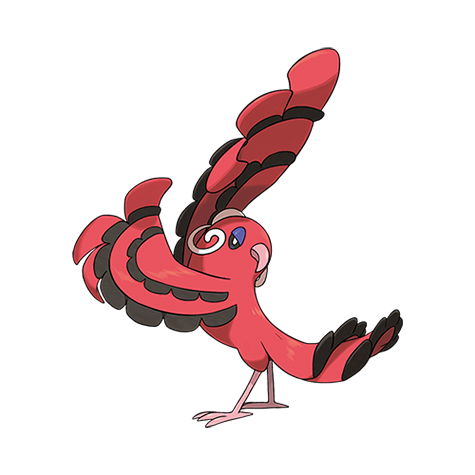
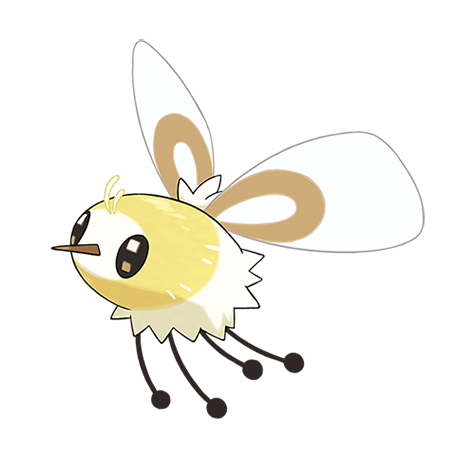
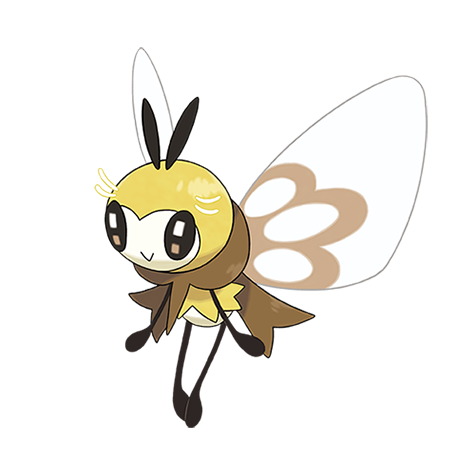
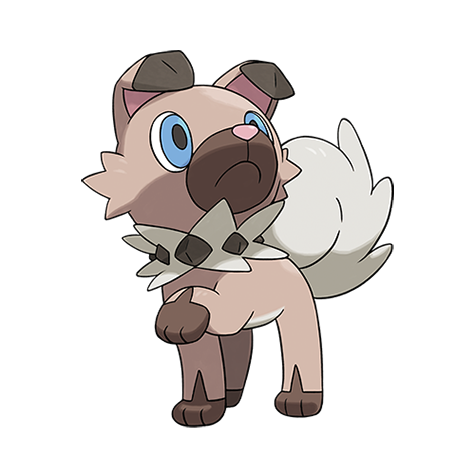
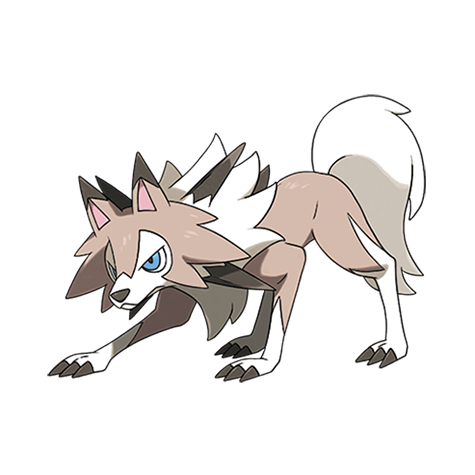
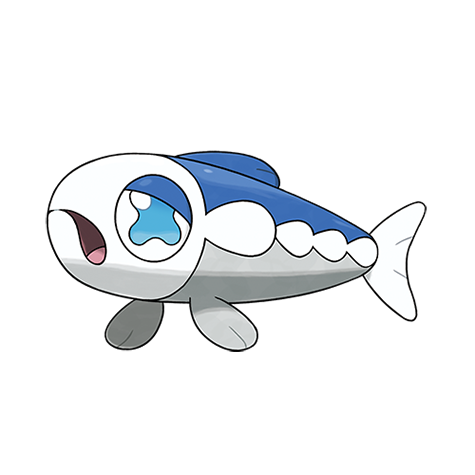
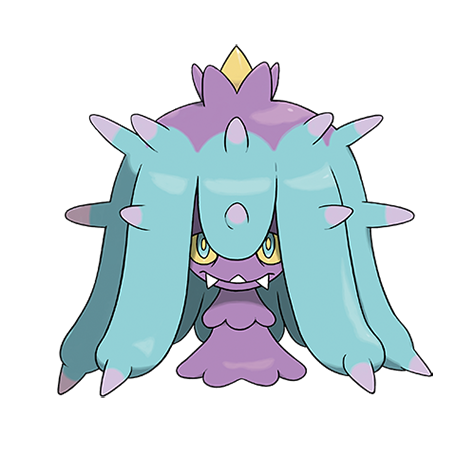
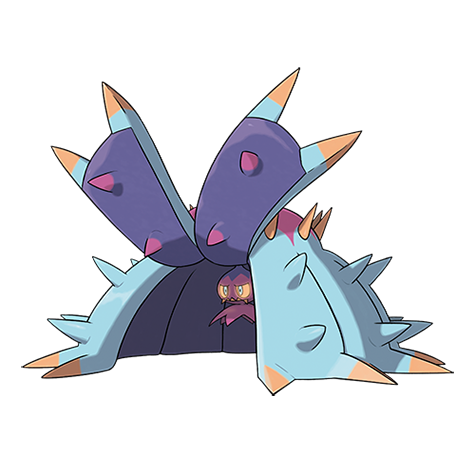
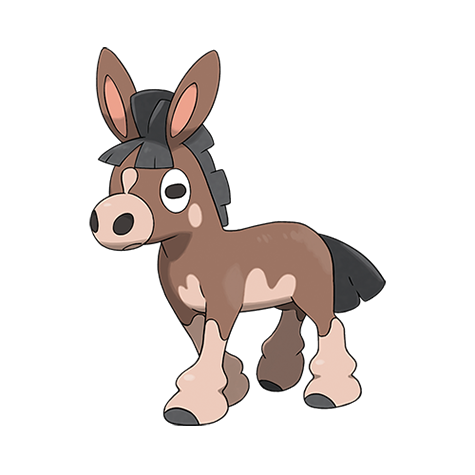
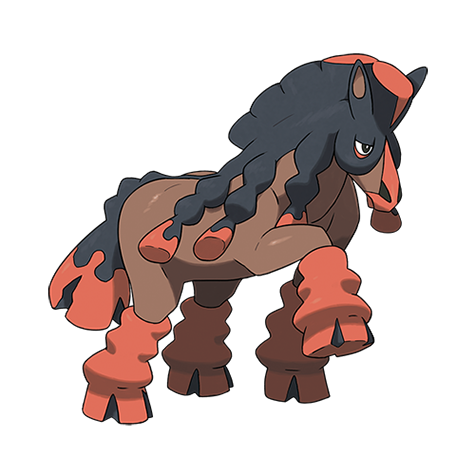

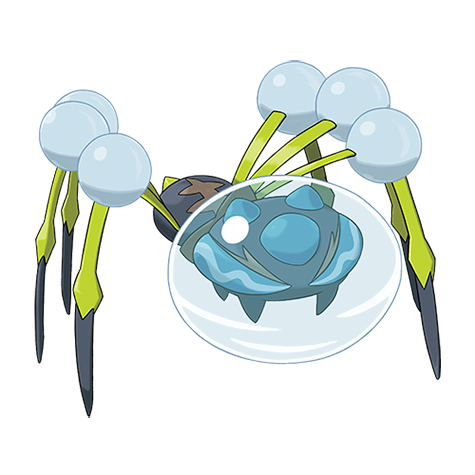

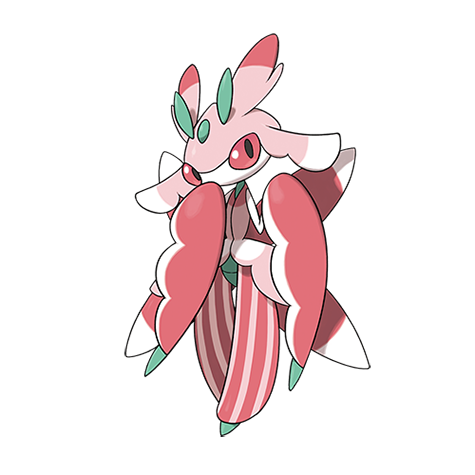
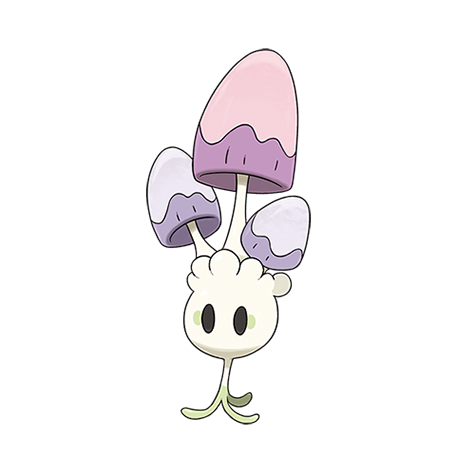

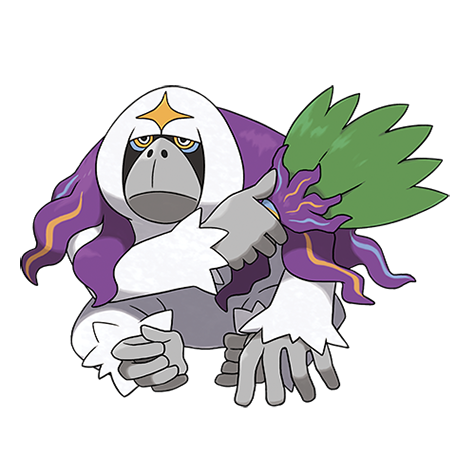

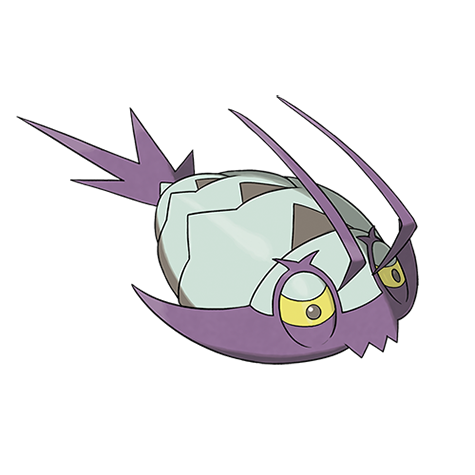
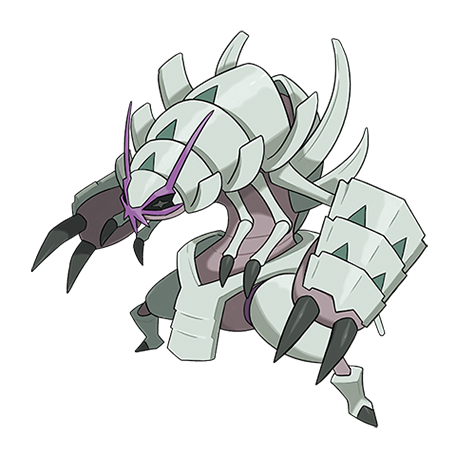
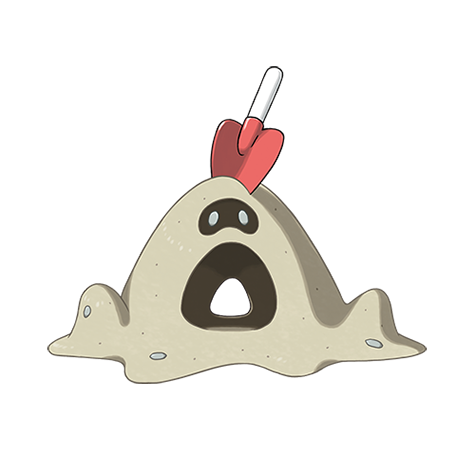
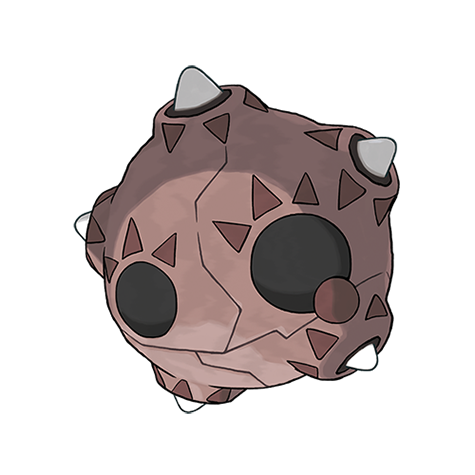
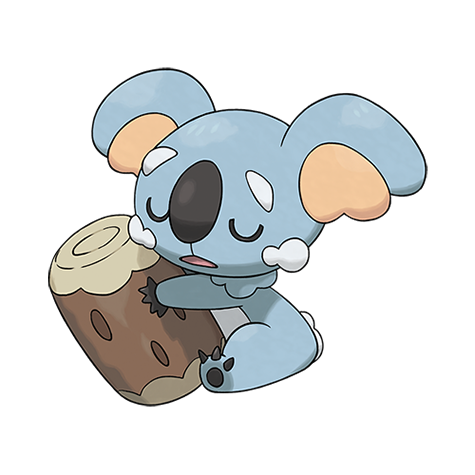
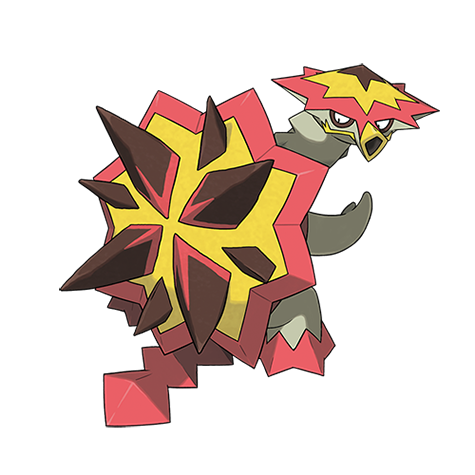
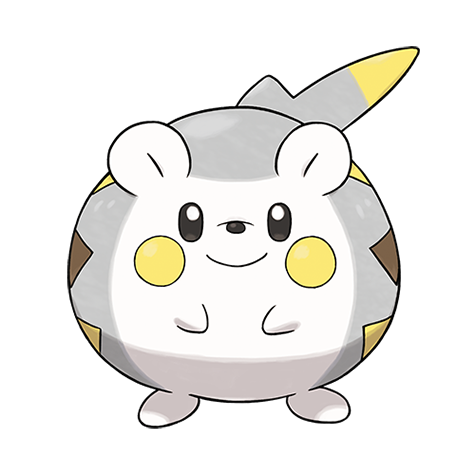
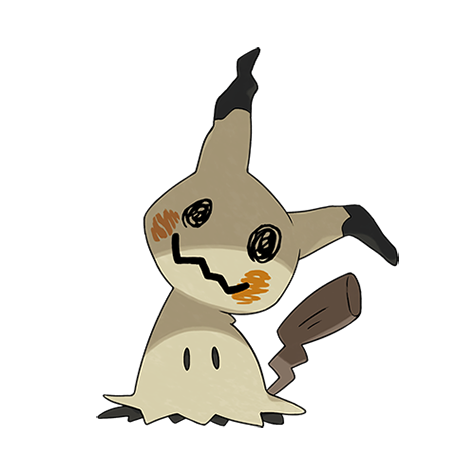
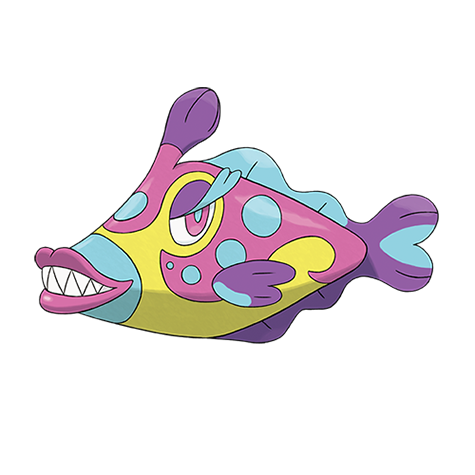
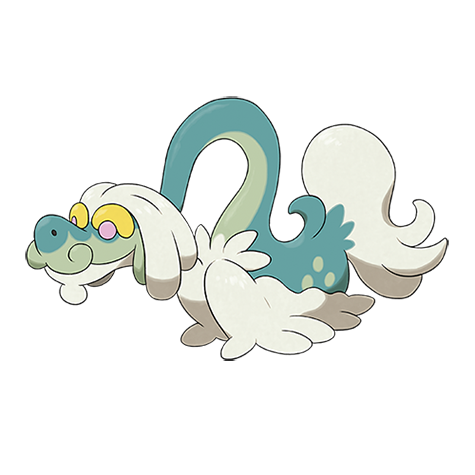
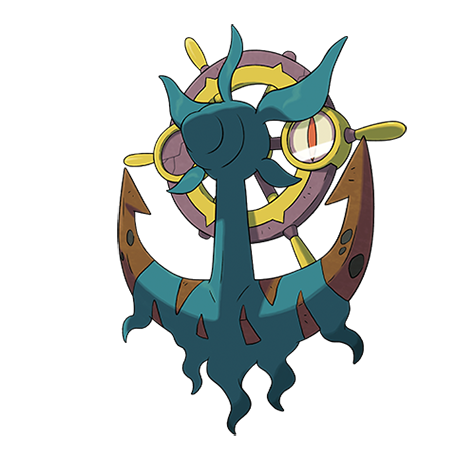
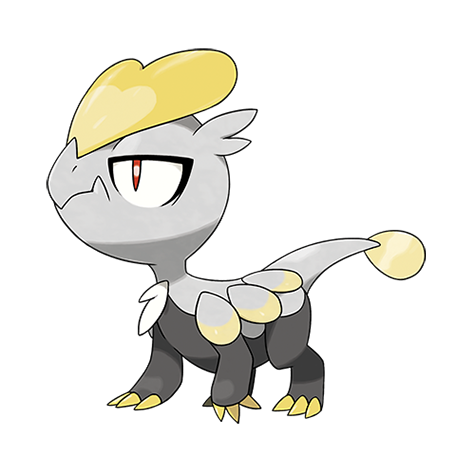
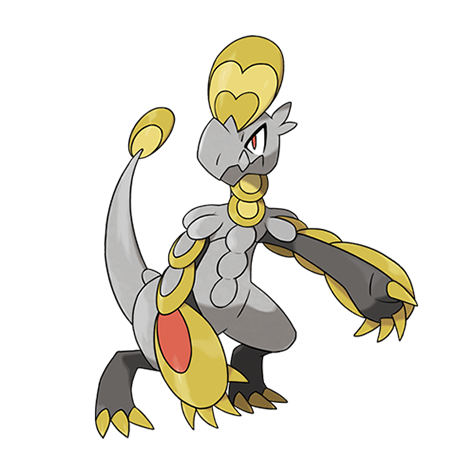
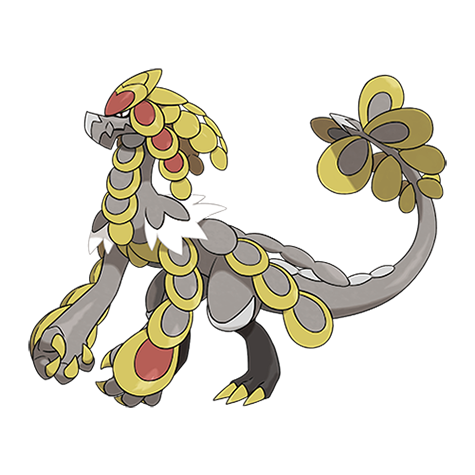
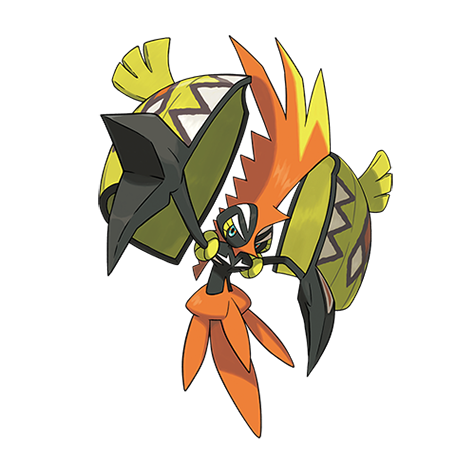
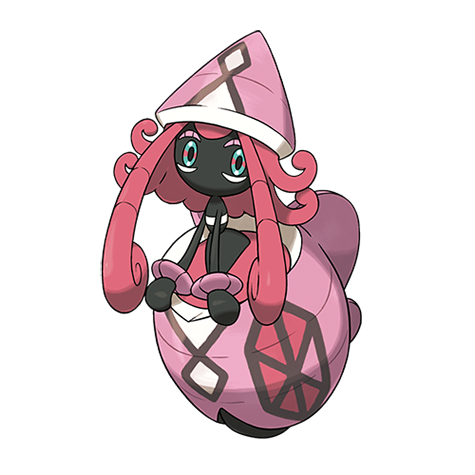
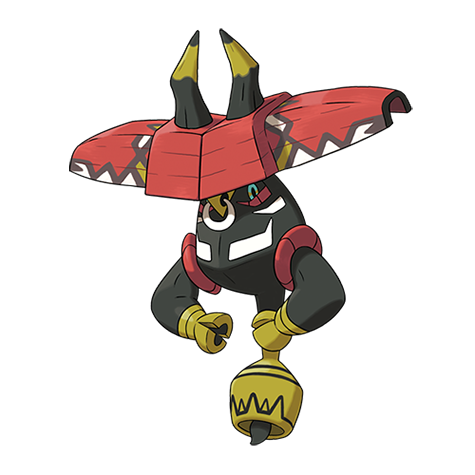
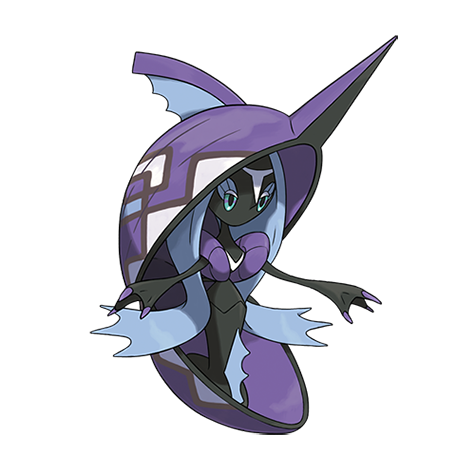

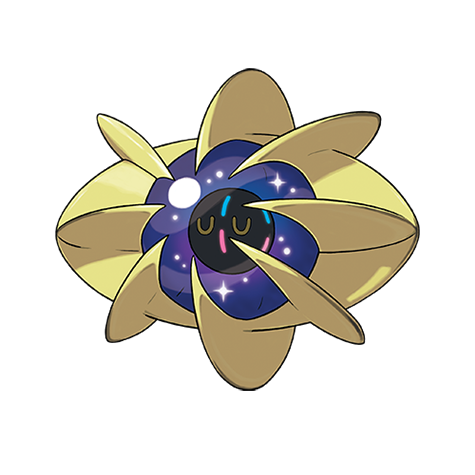
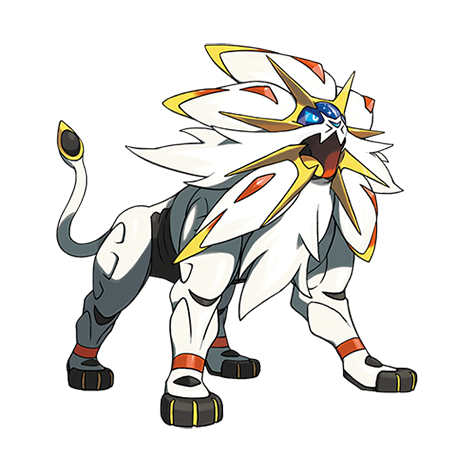

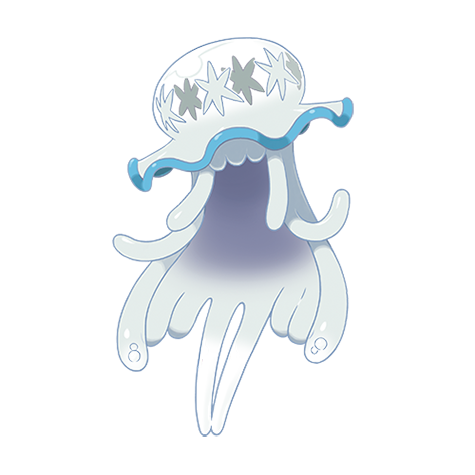
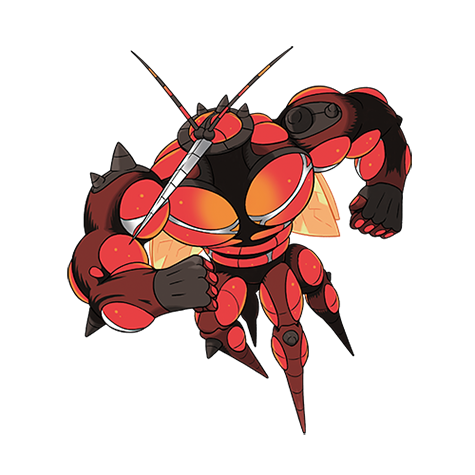
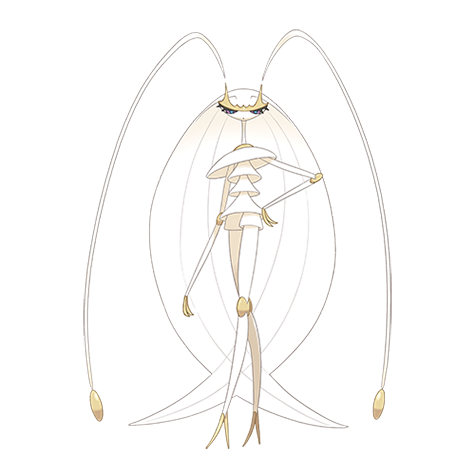
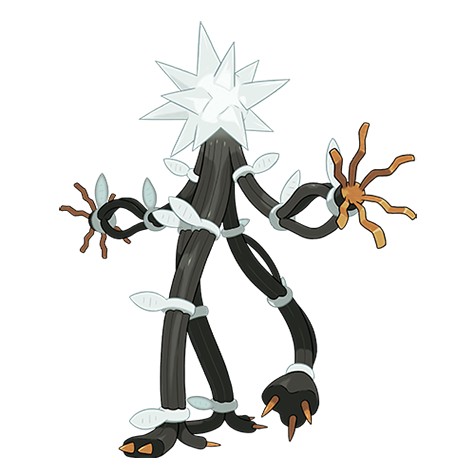
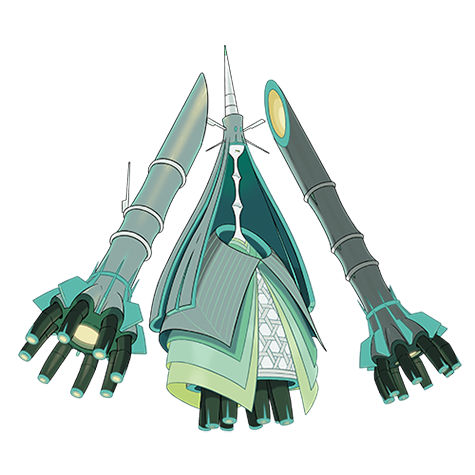
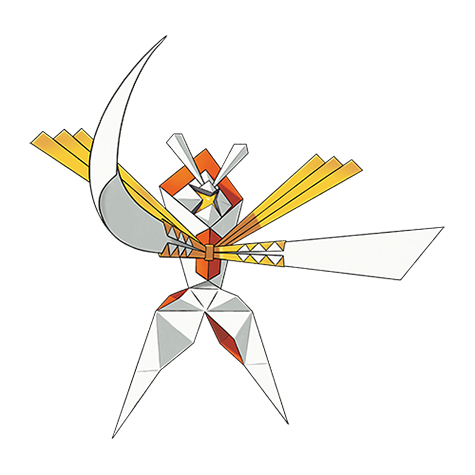
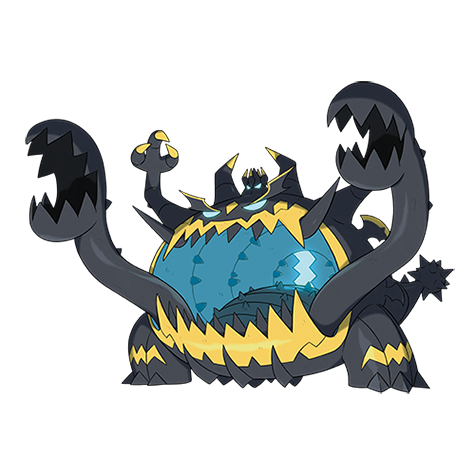
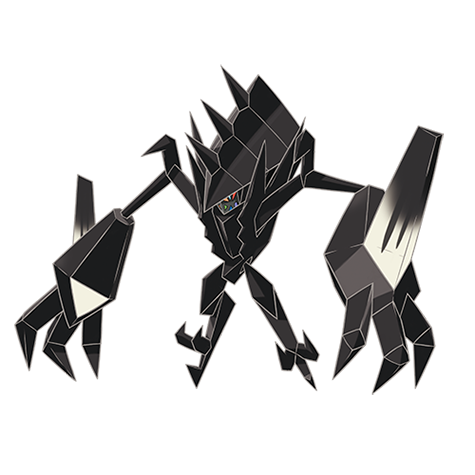
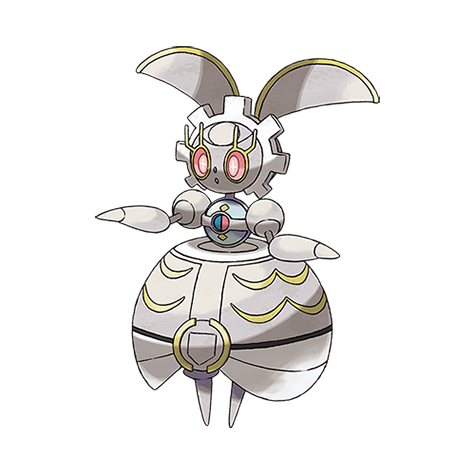

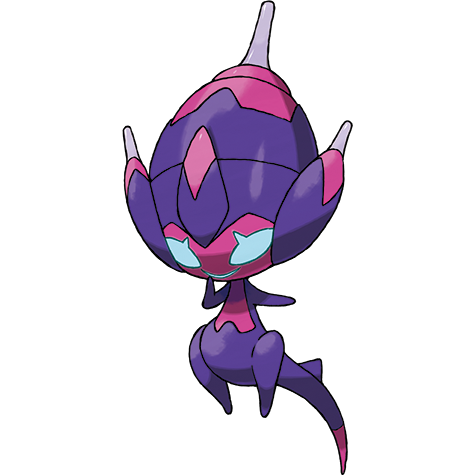
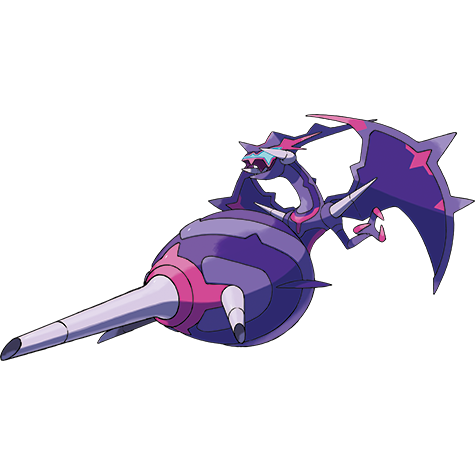


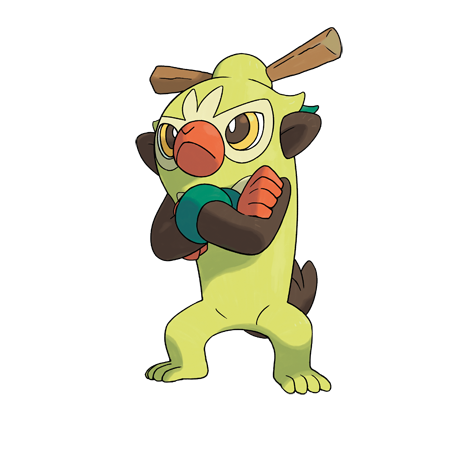
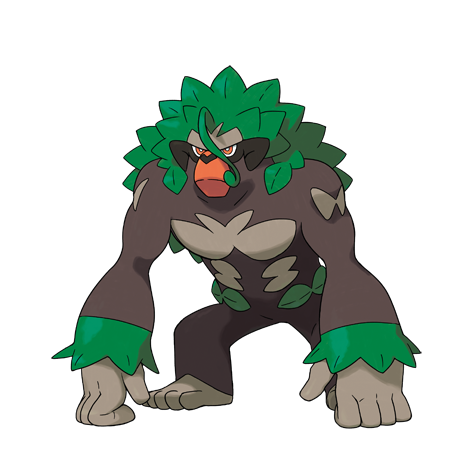
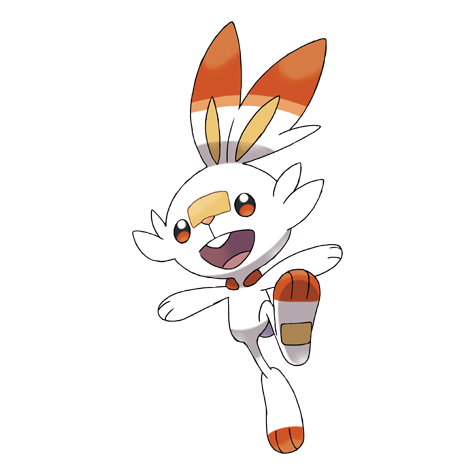
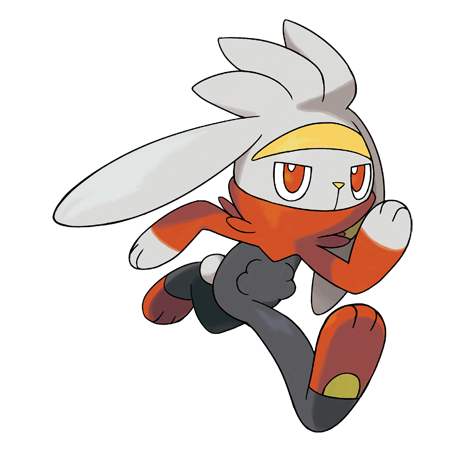
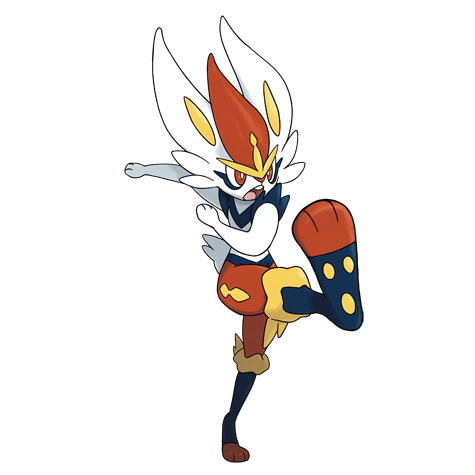


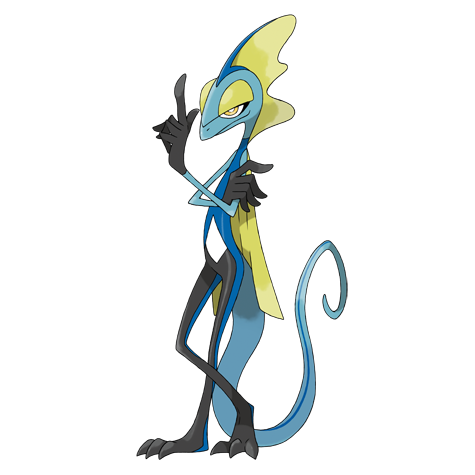
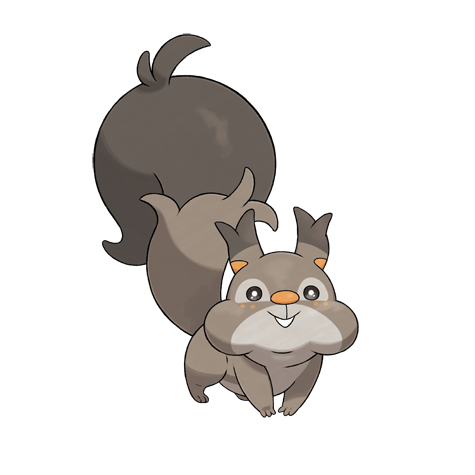
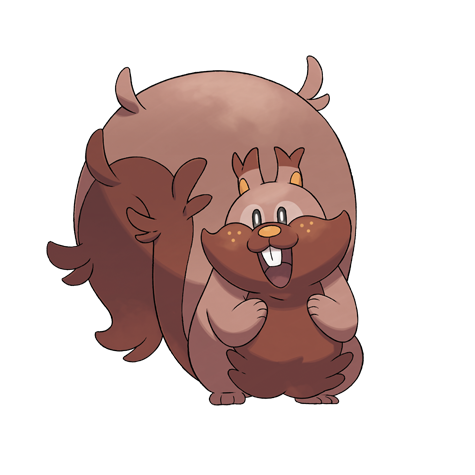
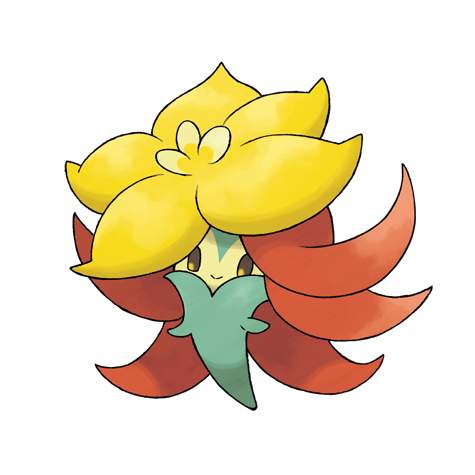

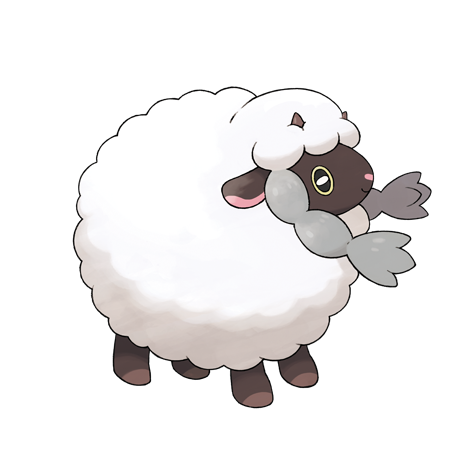
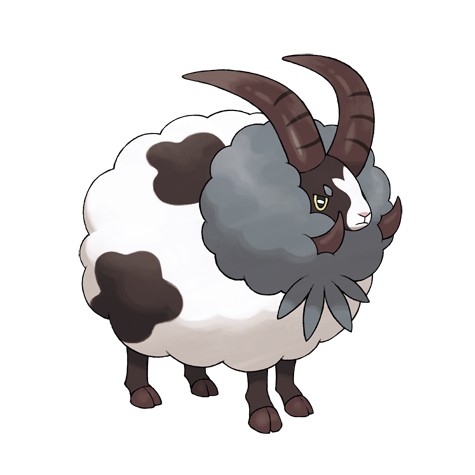
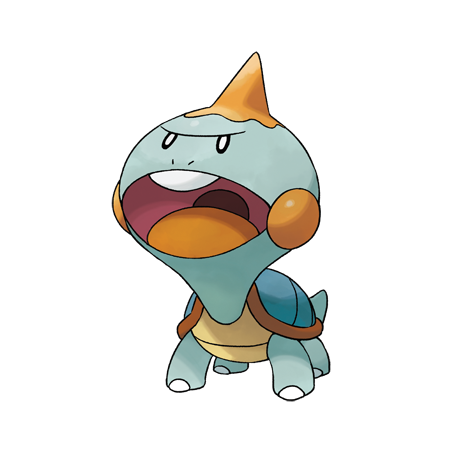
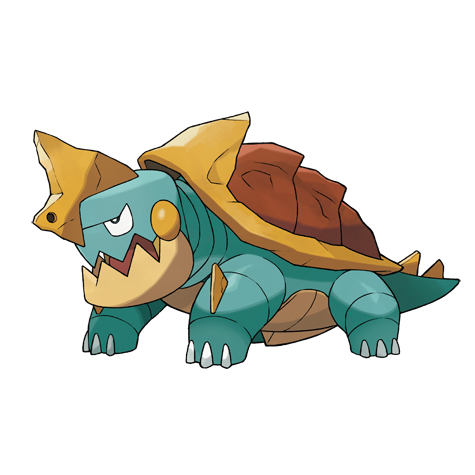
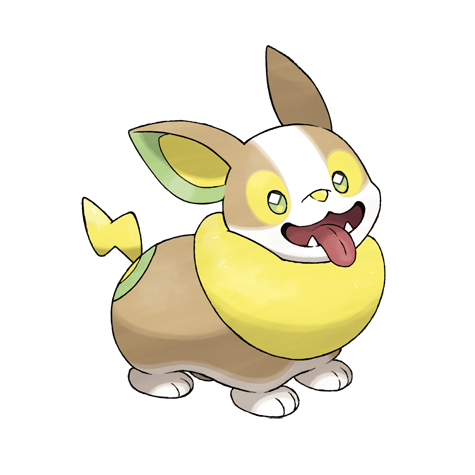

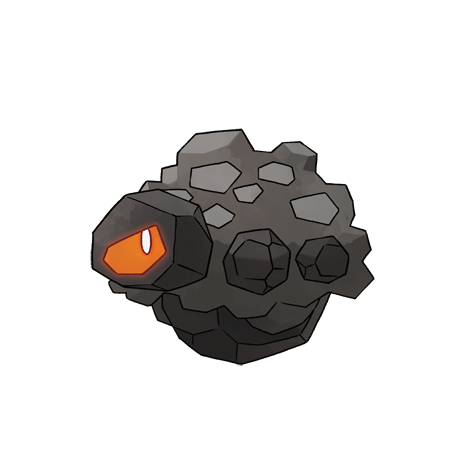
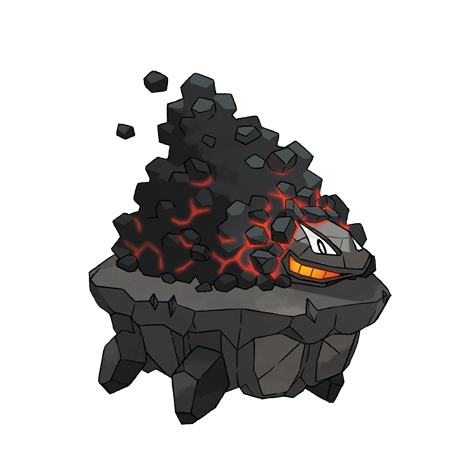
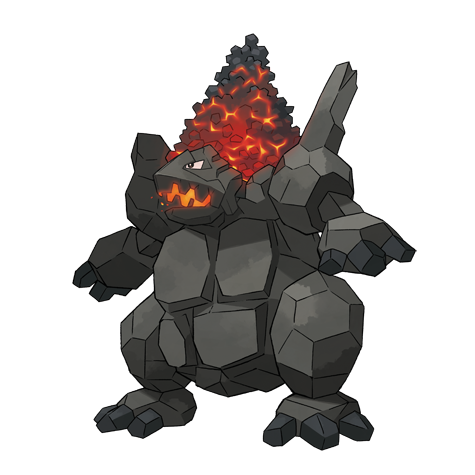
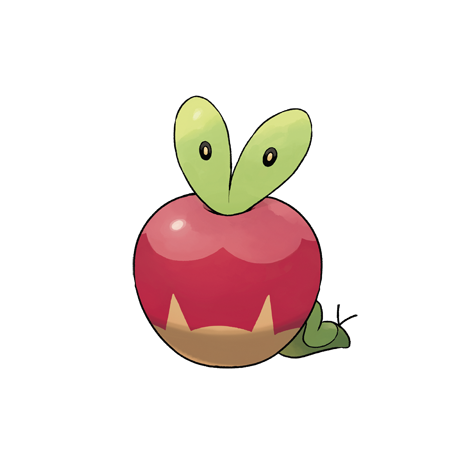
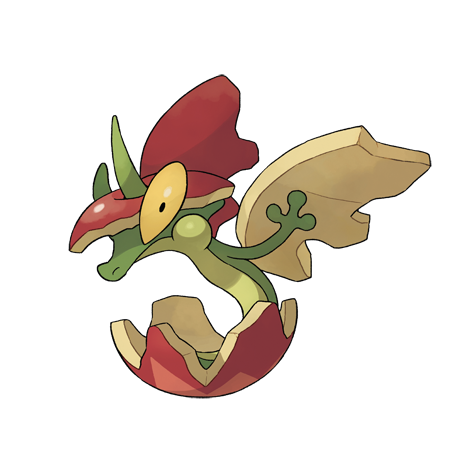
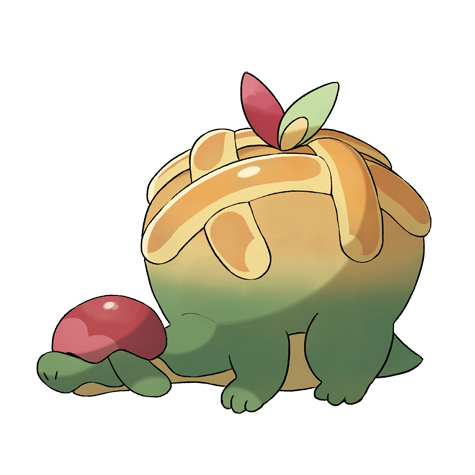
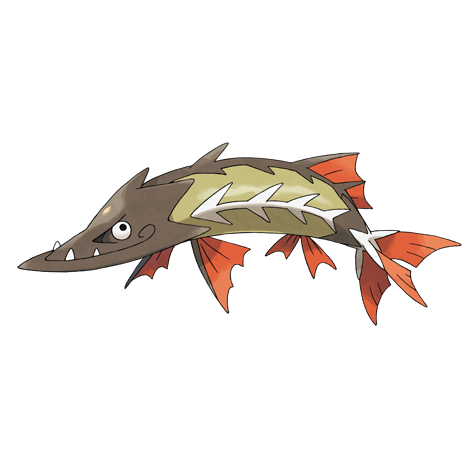
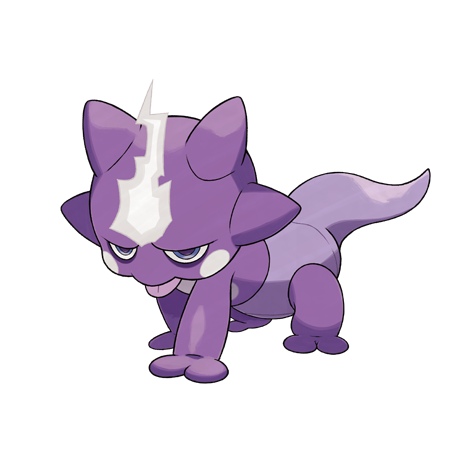
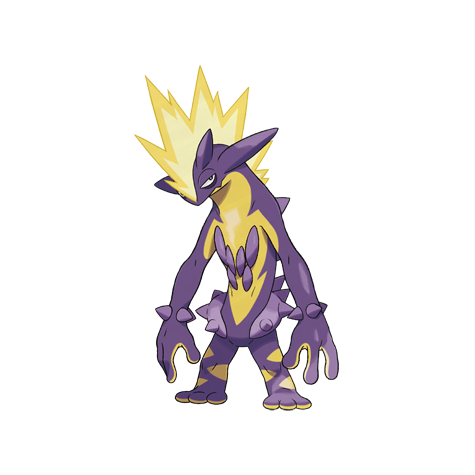








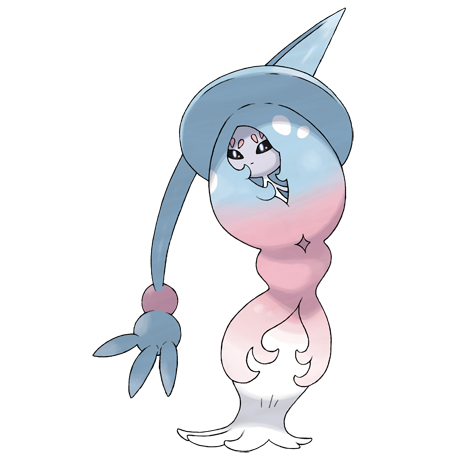

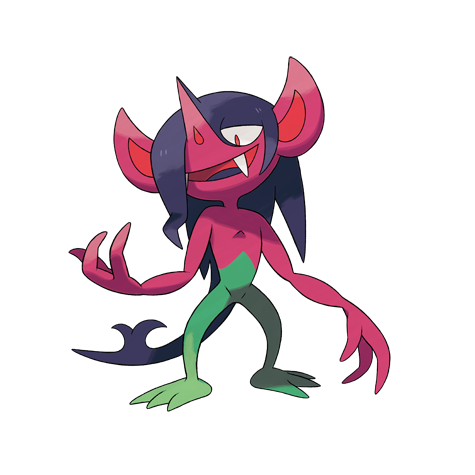
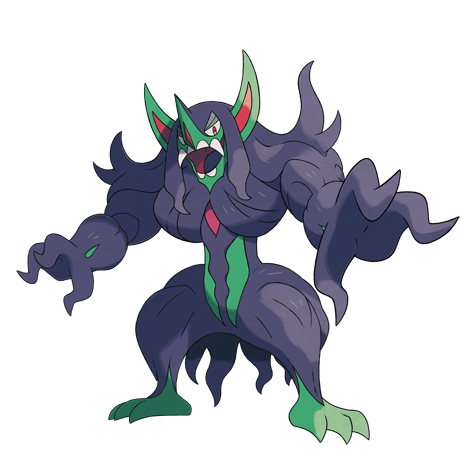
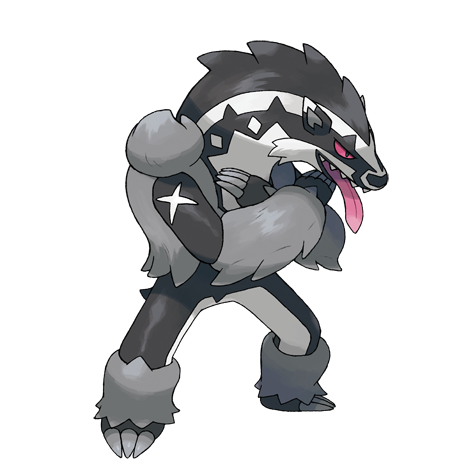

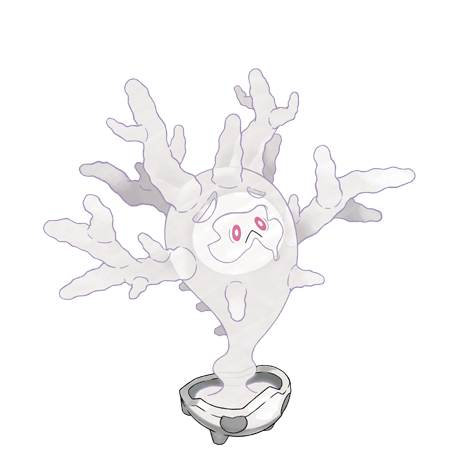









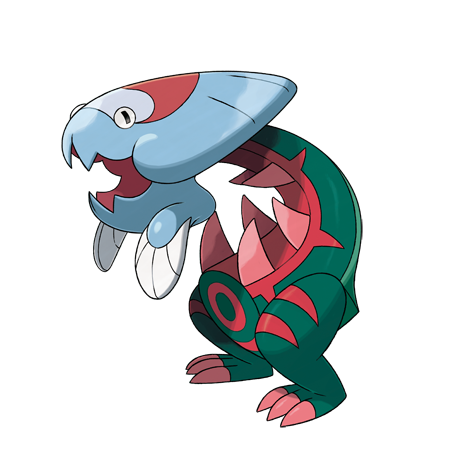
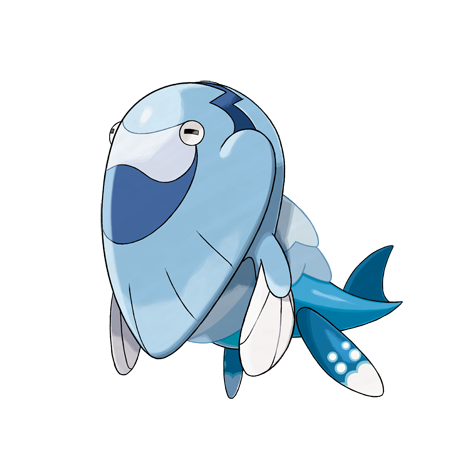
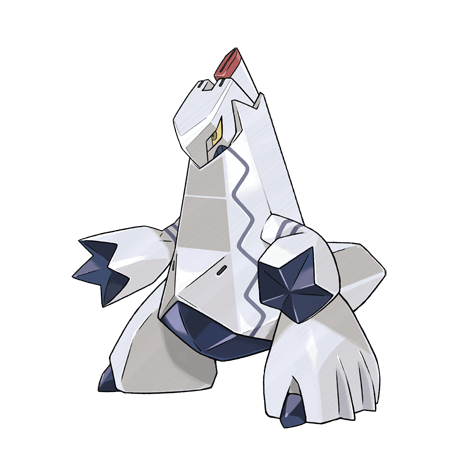


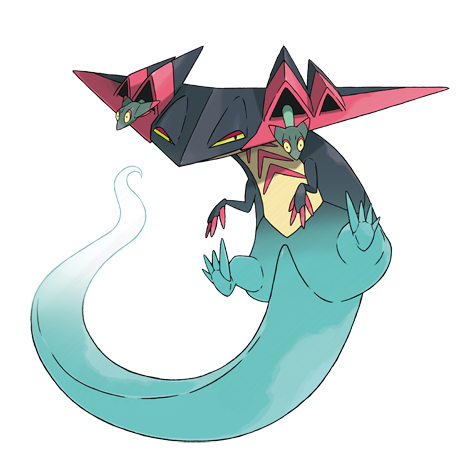
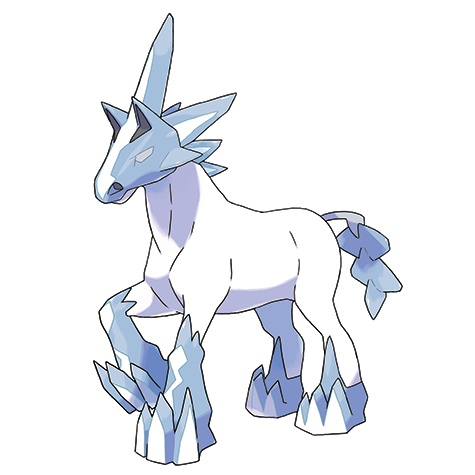
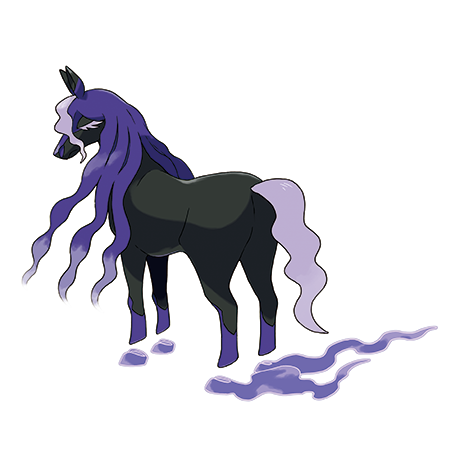
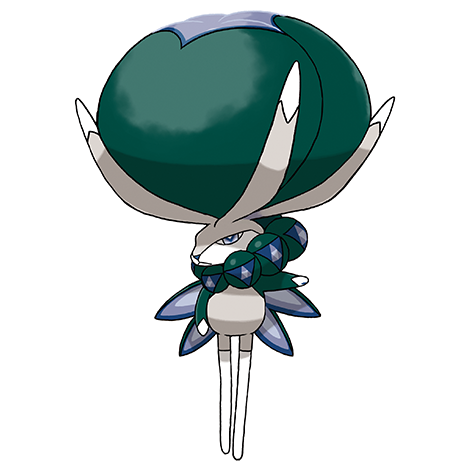
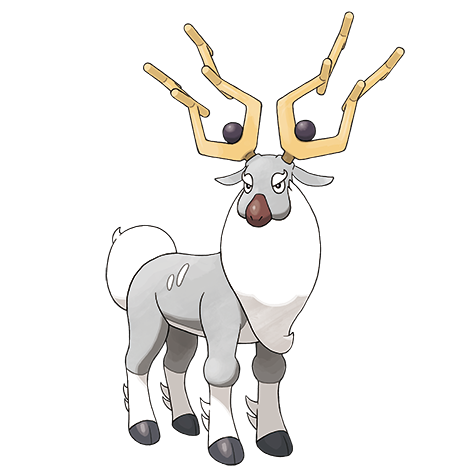
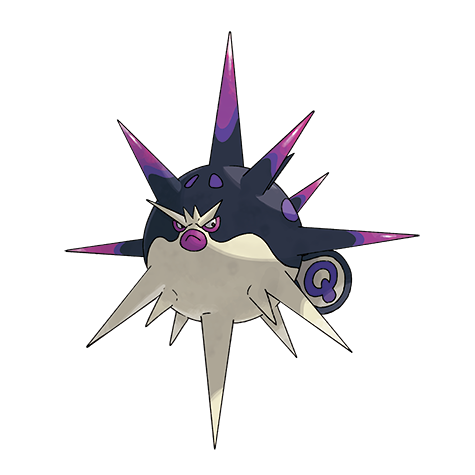

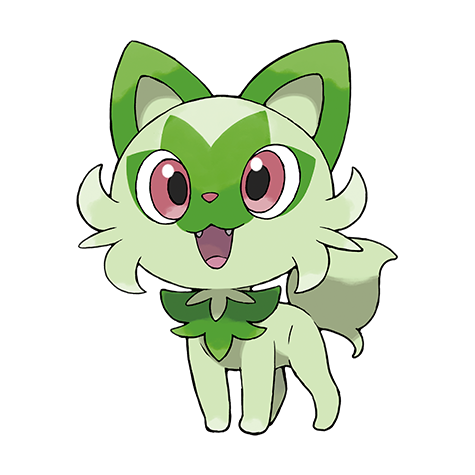
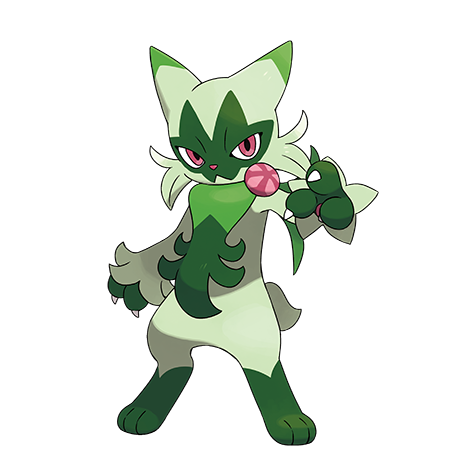
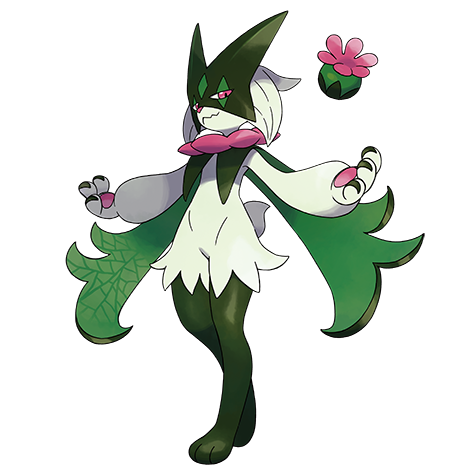
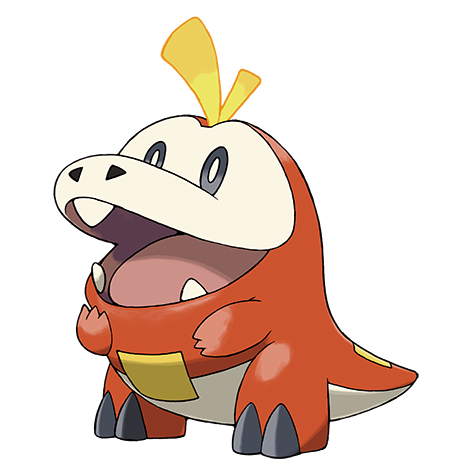
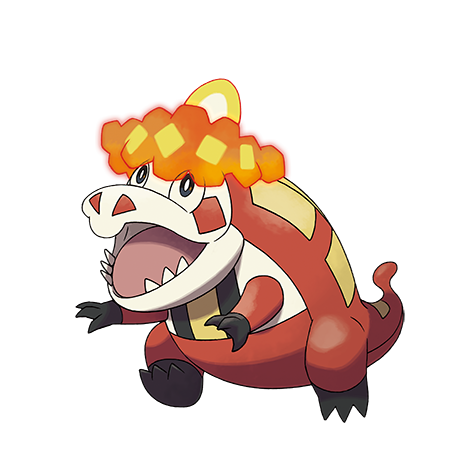
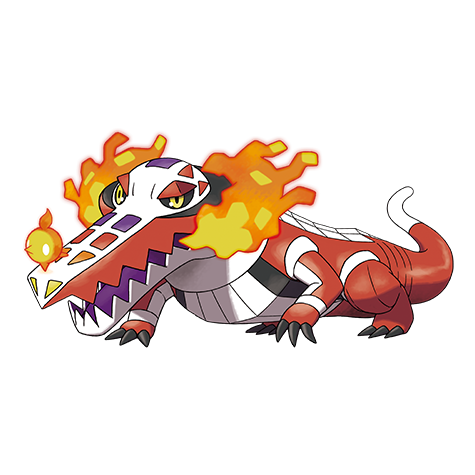

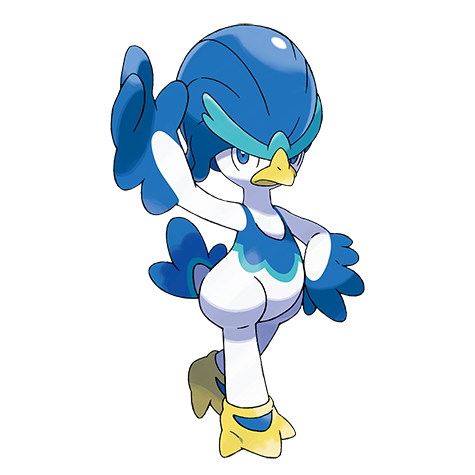
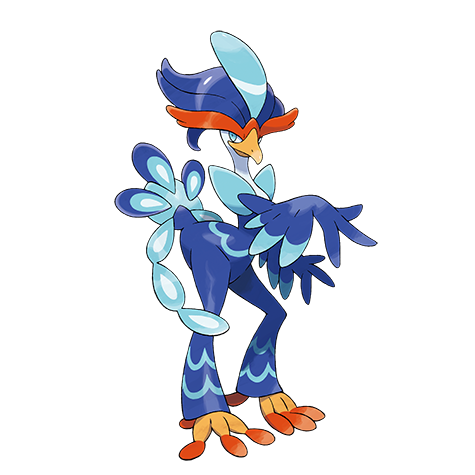
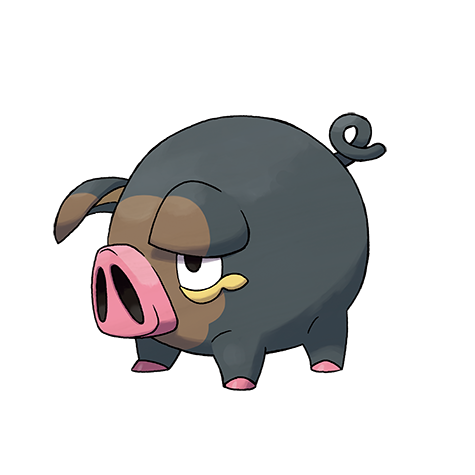
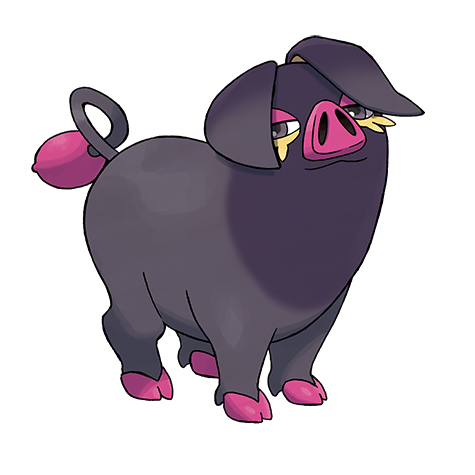
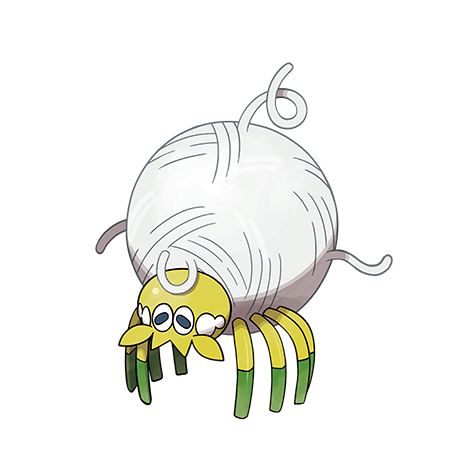
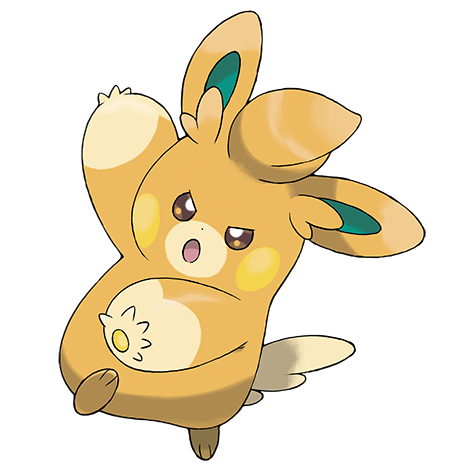
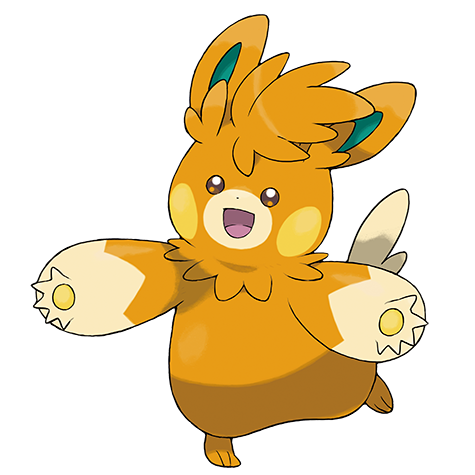


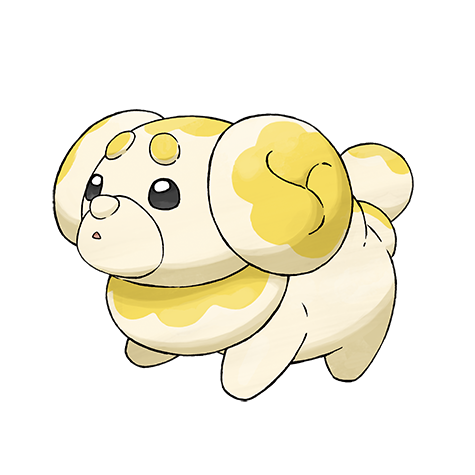
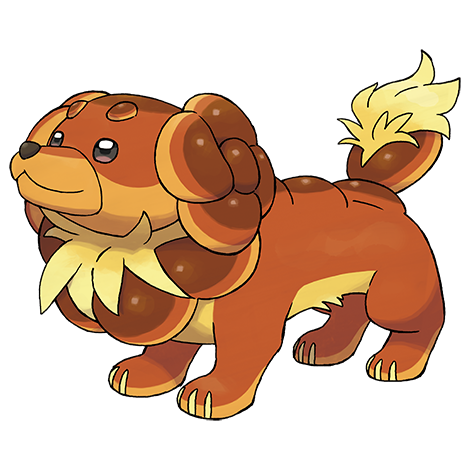
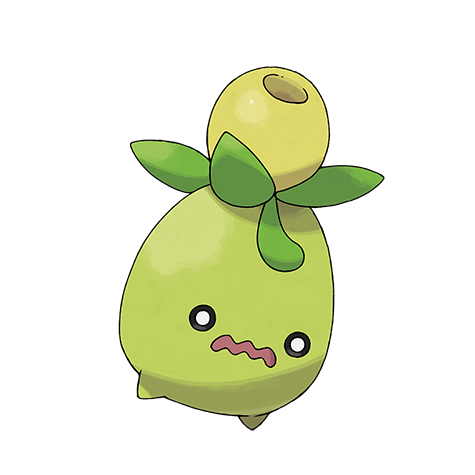

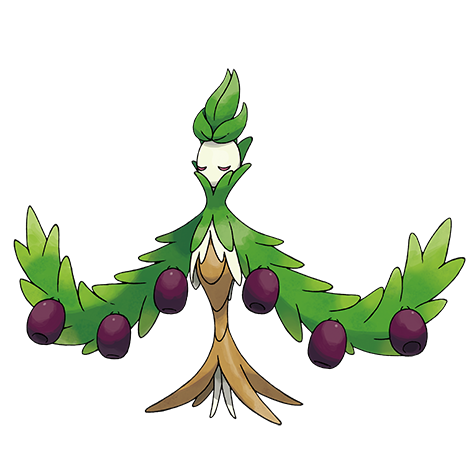
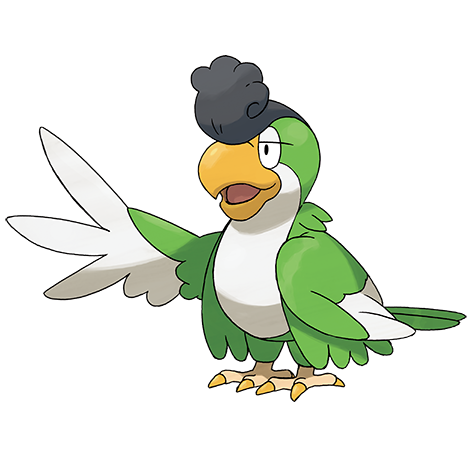
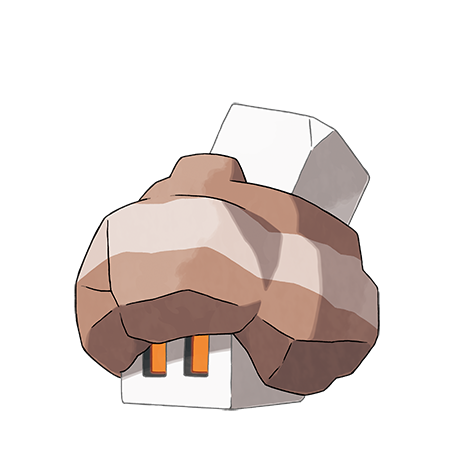



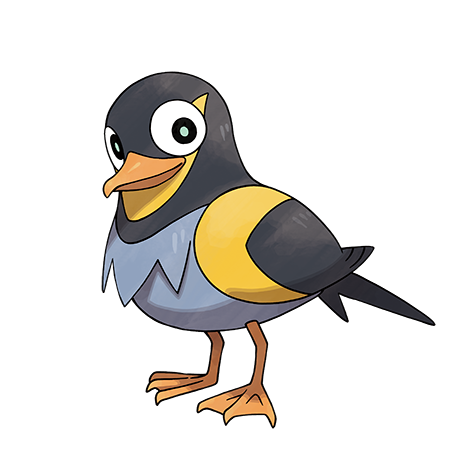
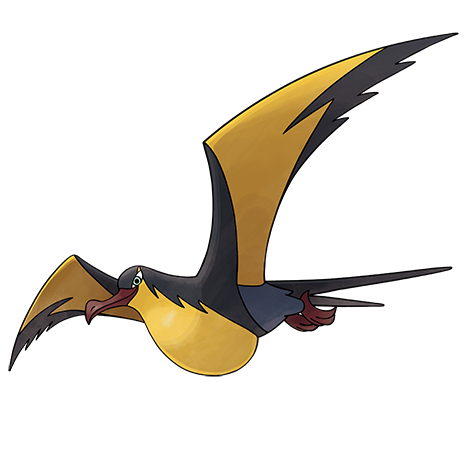
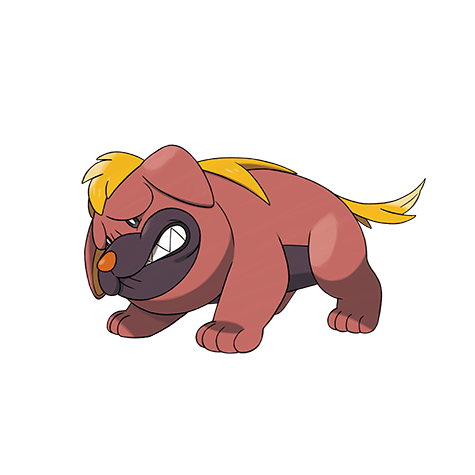
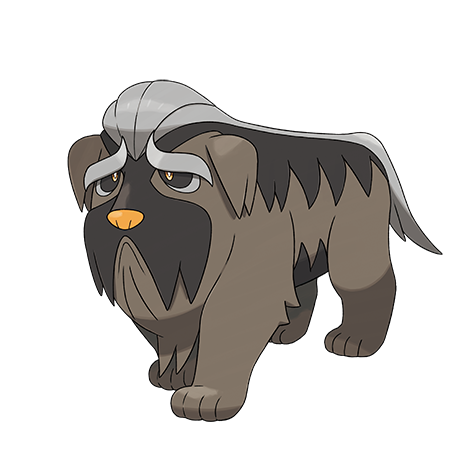
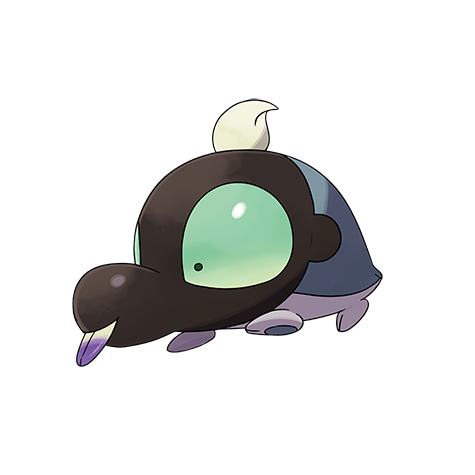
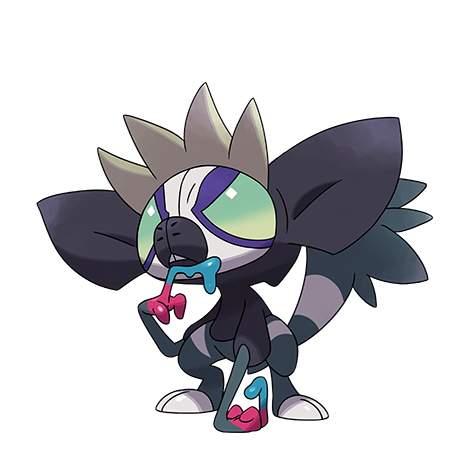

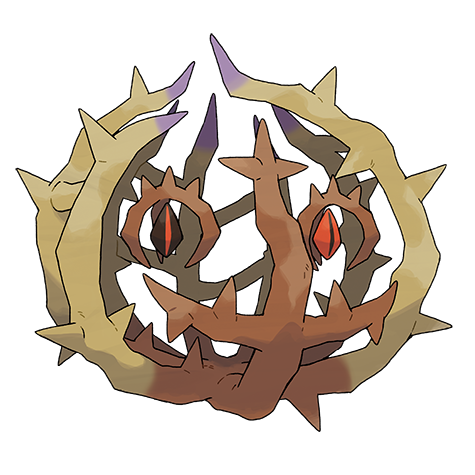
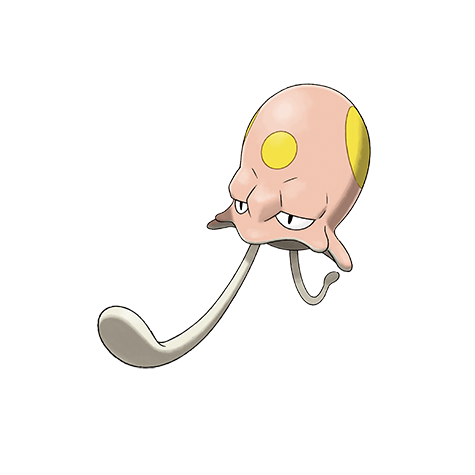
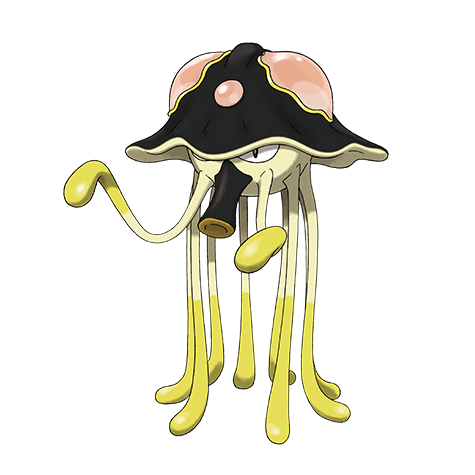
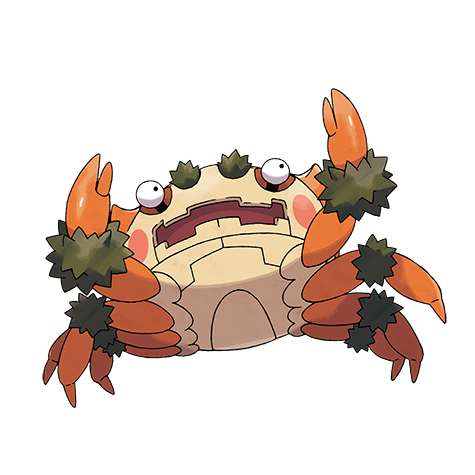
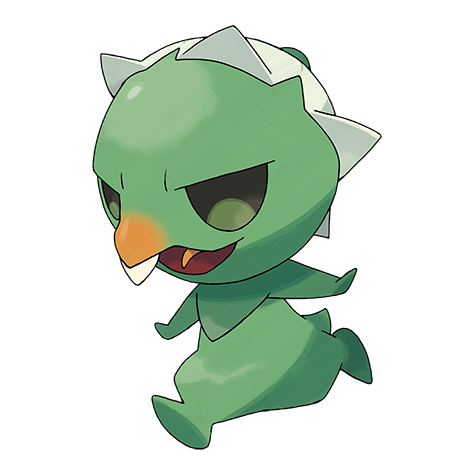
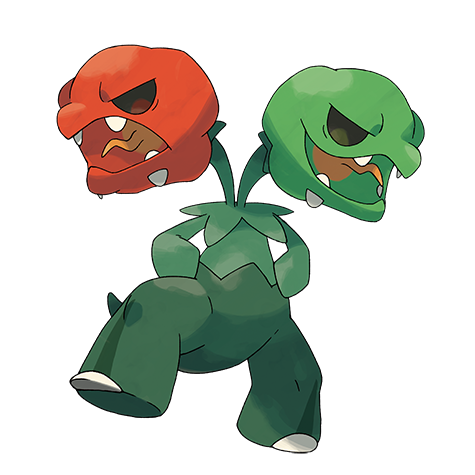






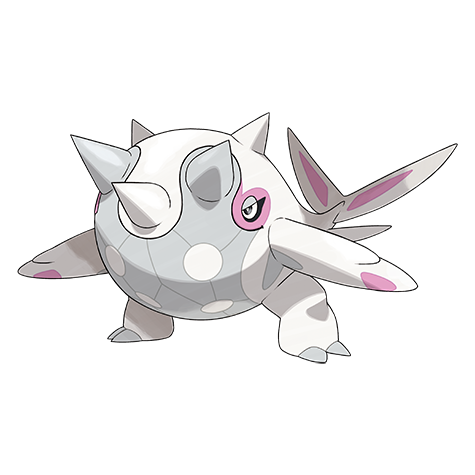
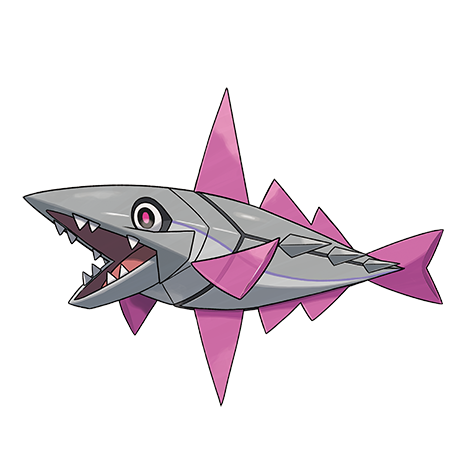

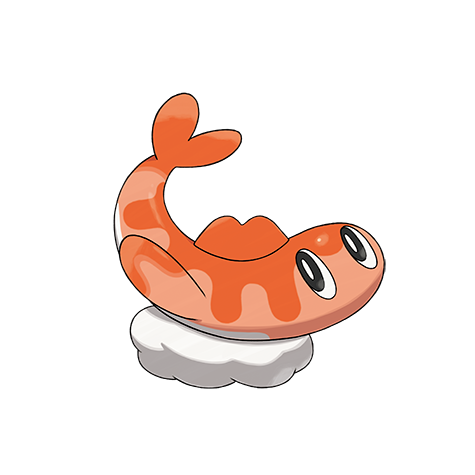
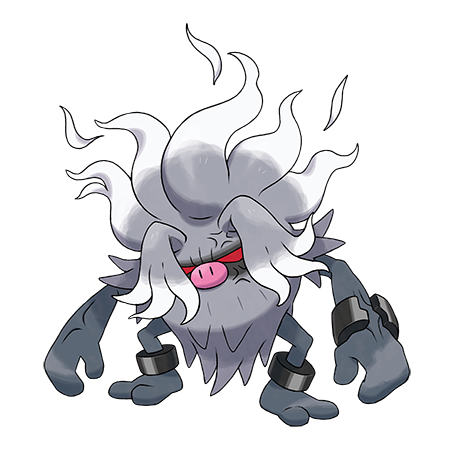





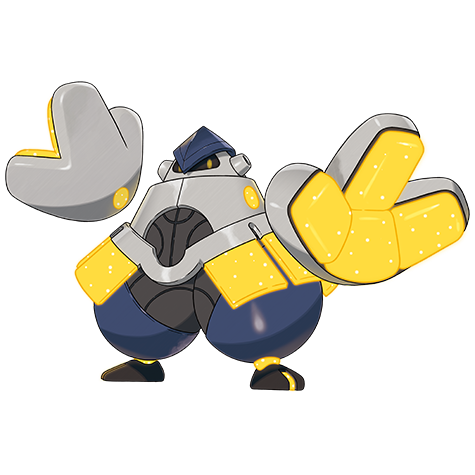
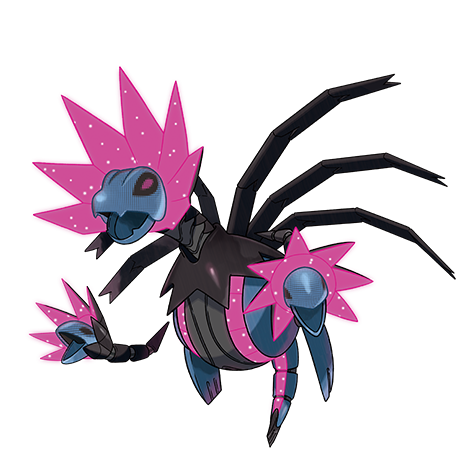
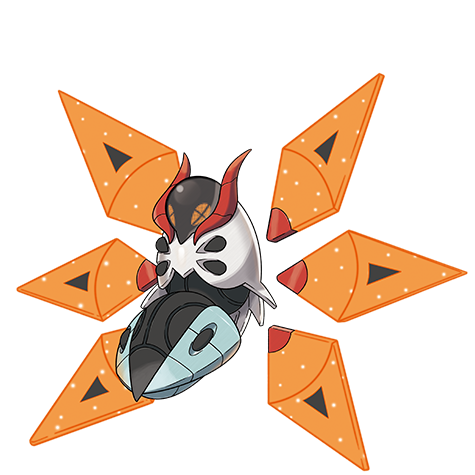

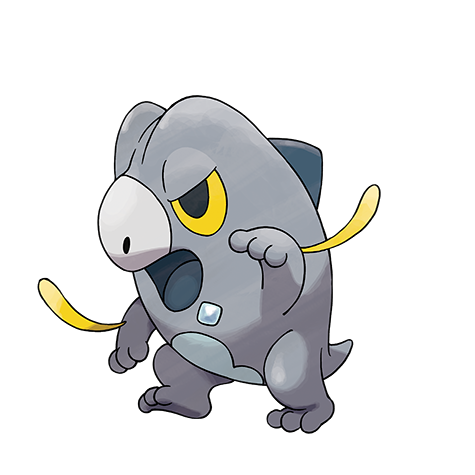
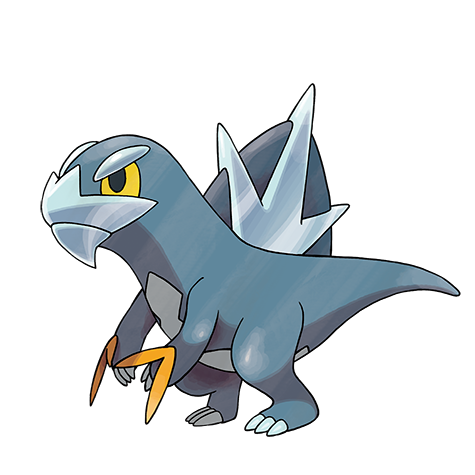
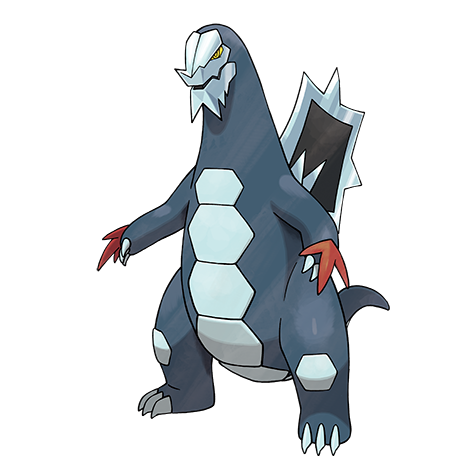
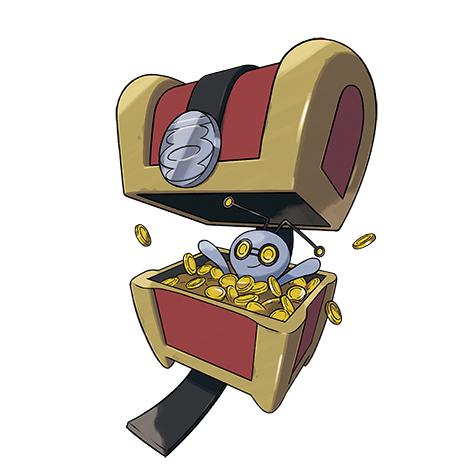

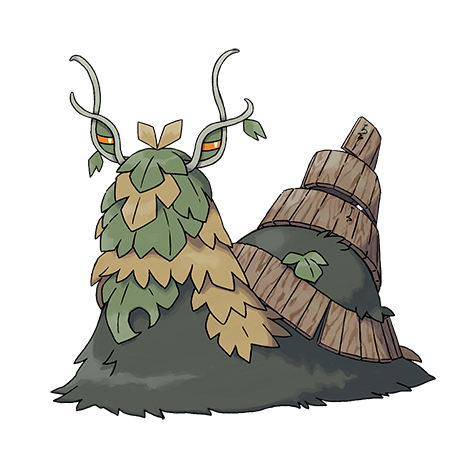

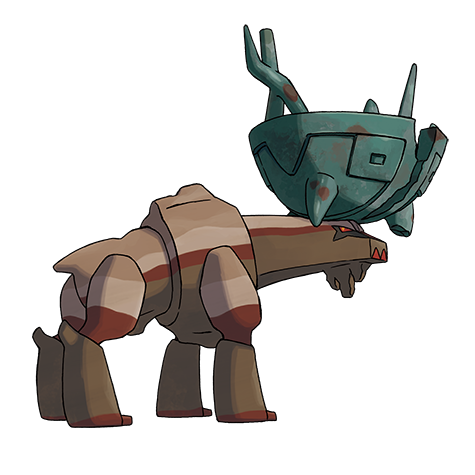

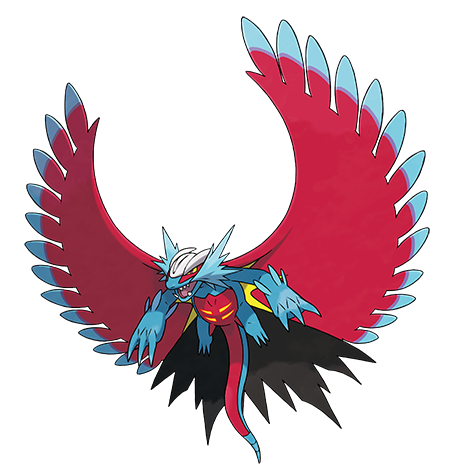
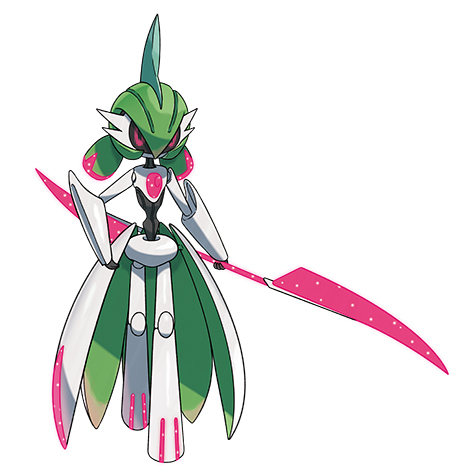


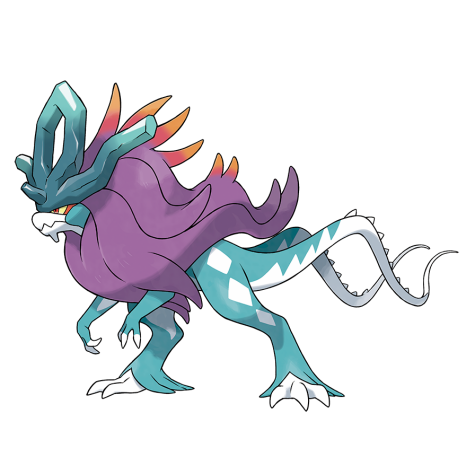




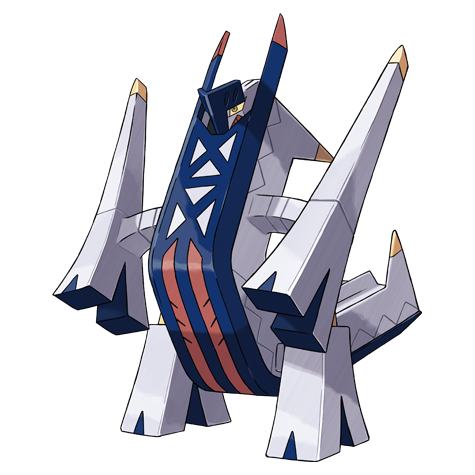

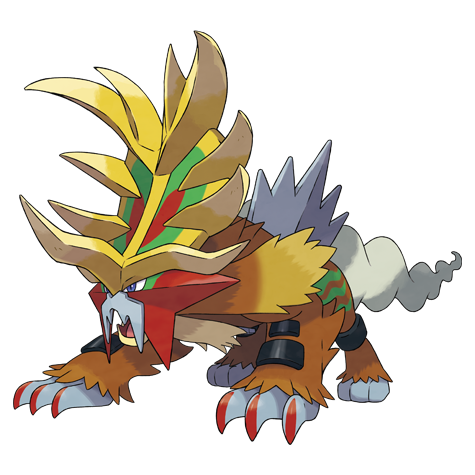
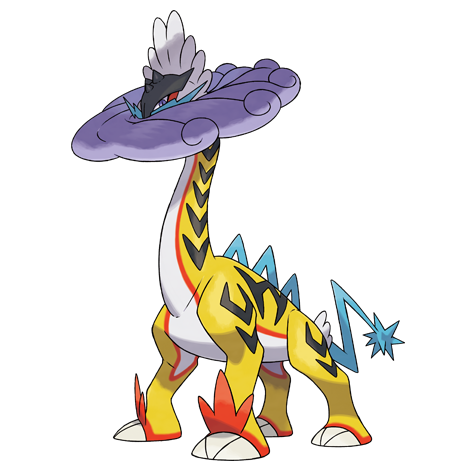
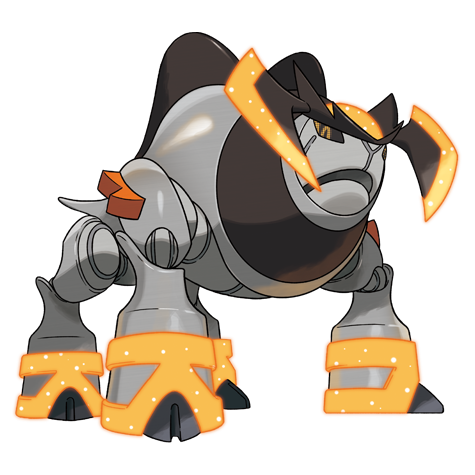
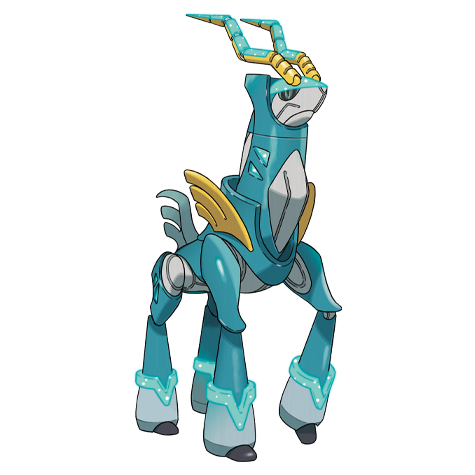

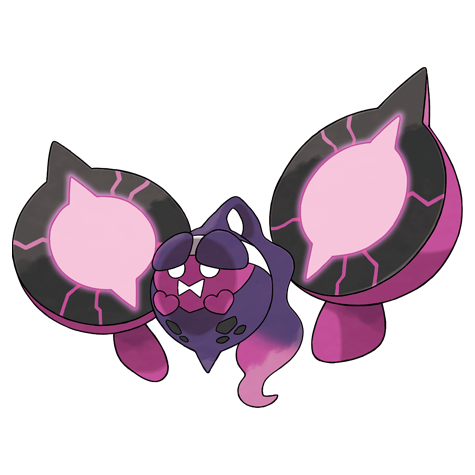
Browse the Pokédex
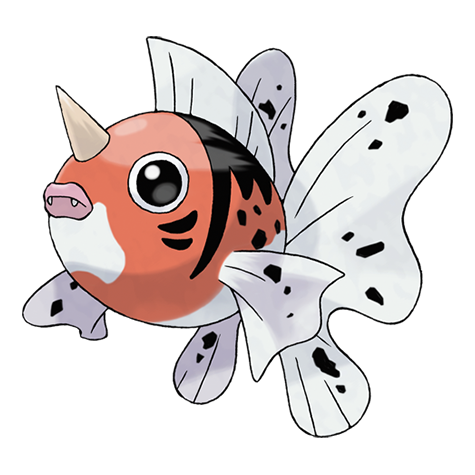
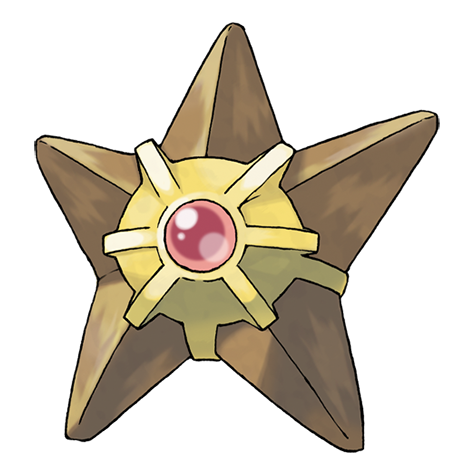
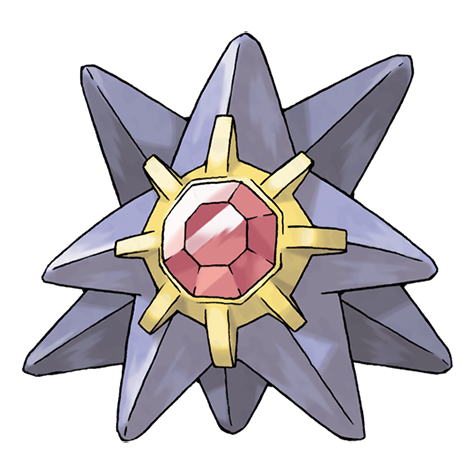
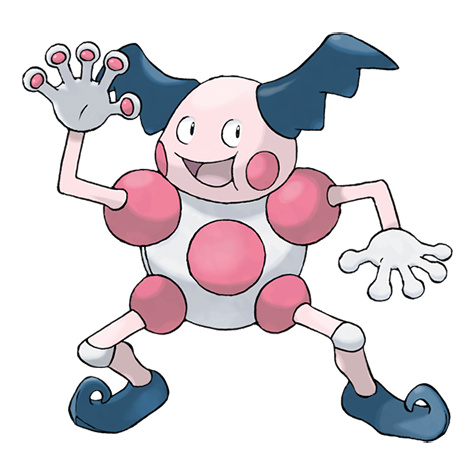
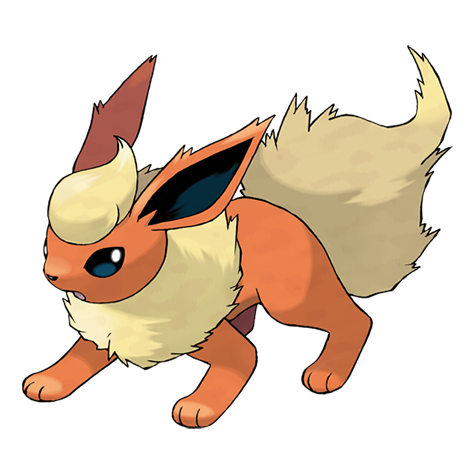
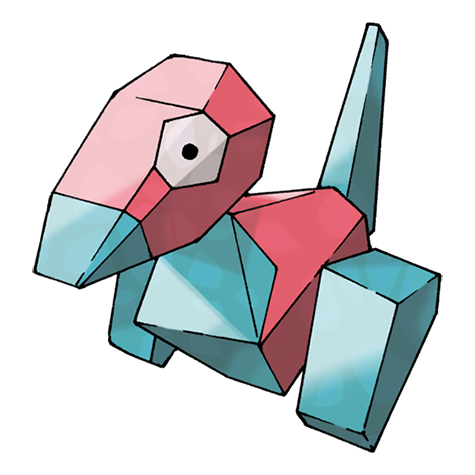
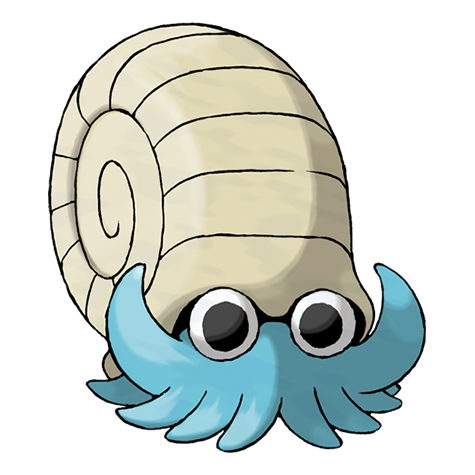
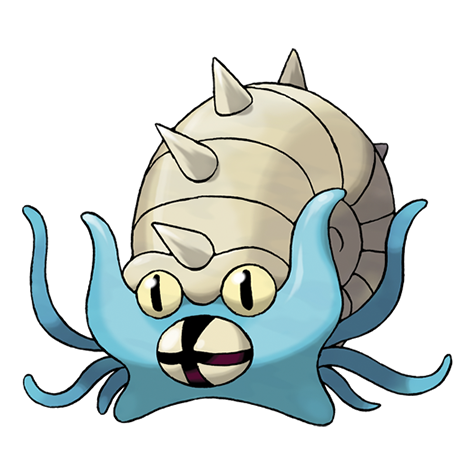
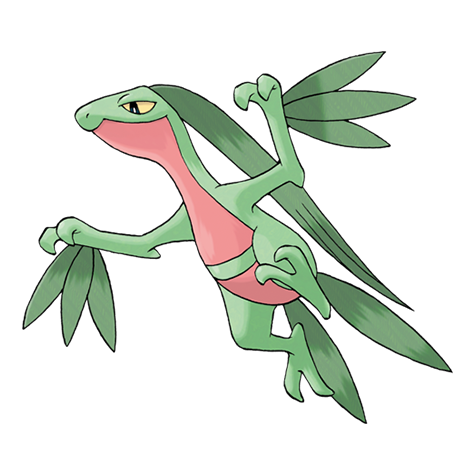
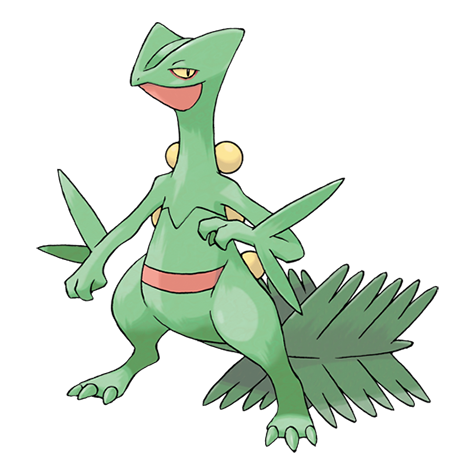
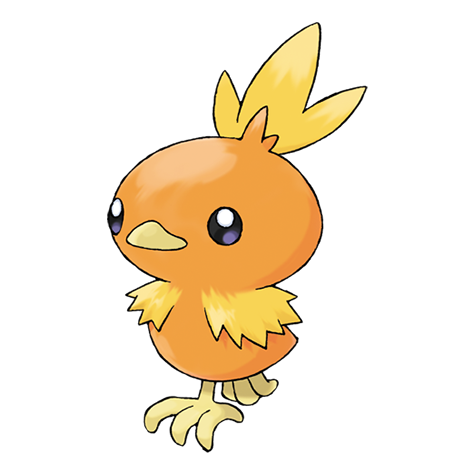
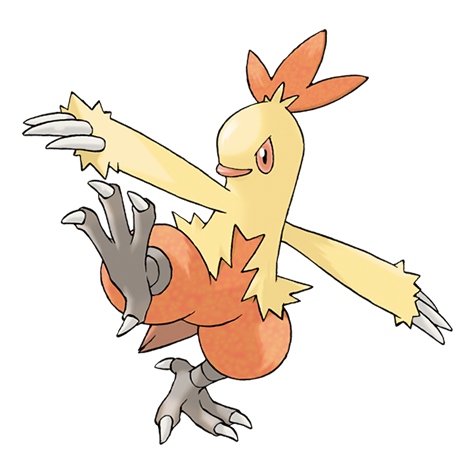
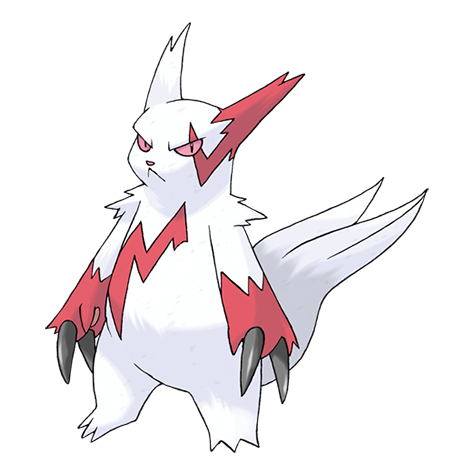
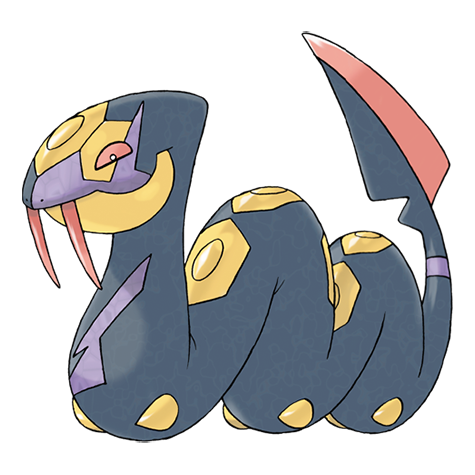
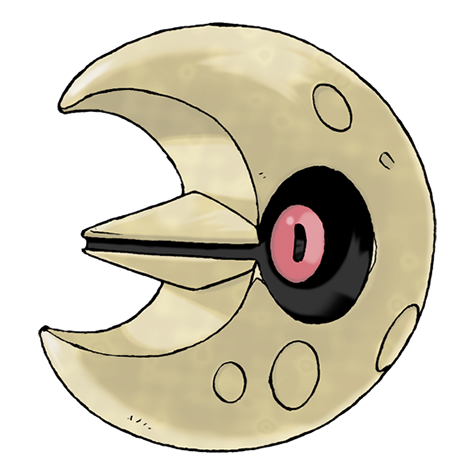
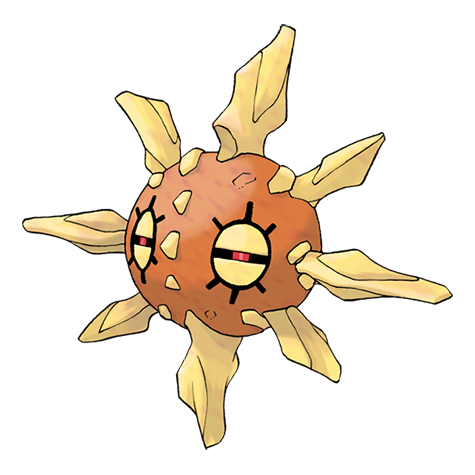
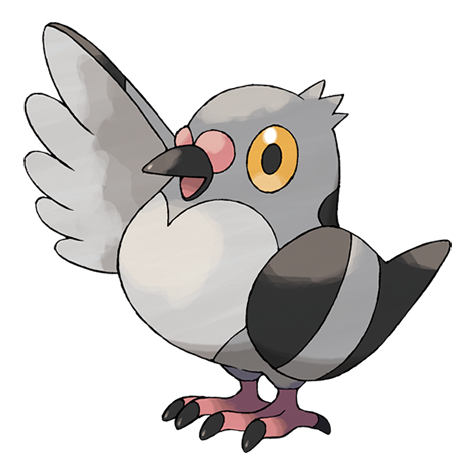
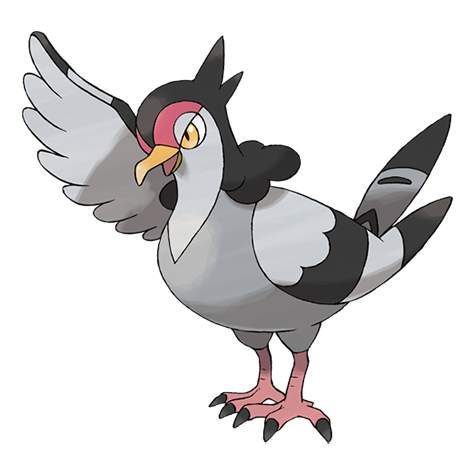
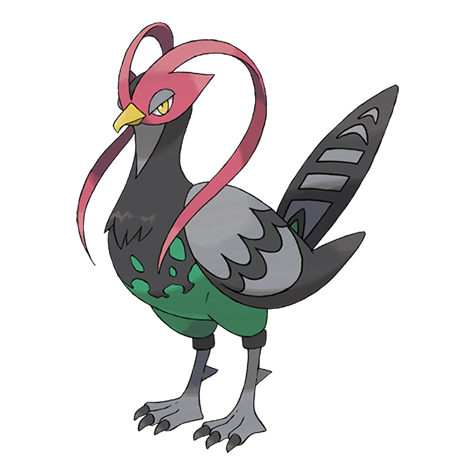
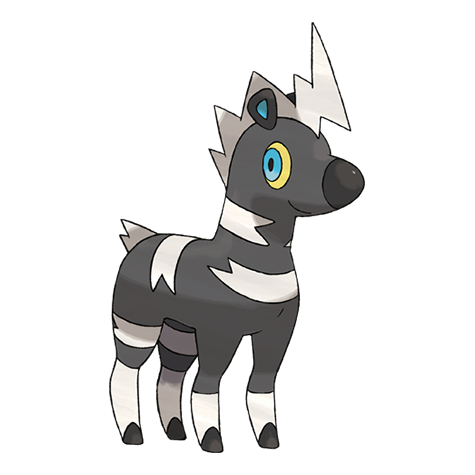
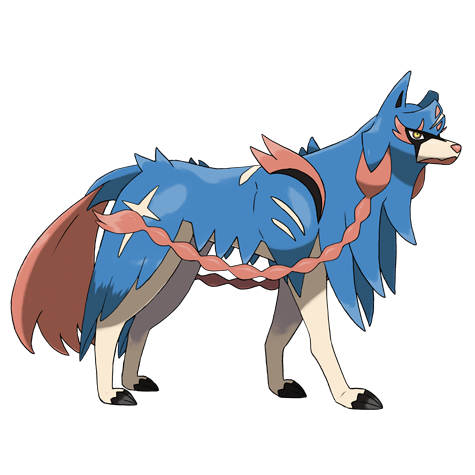
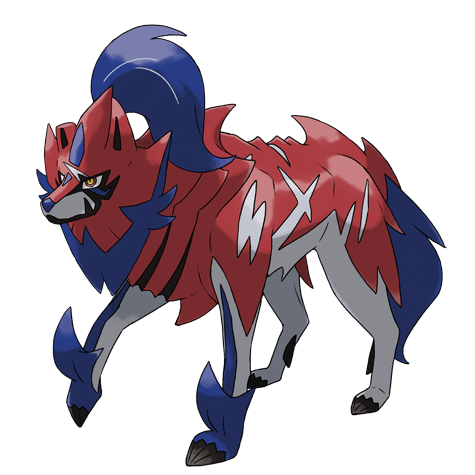
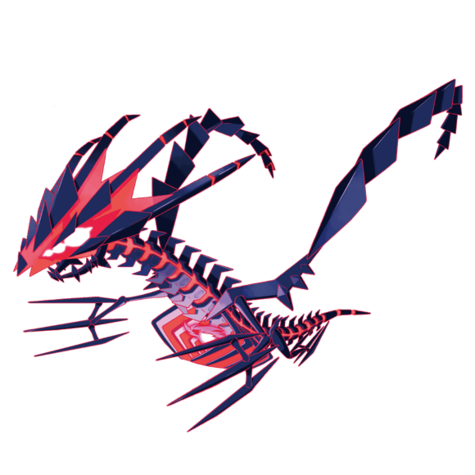
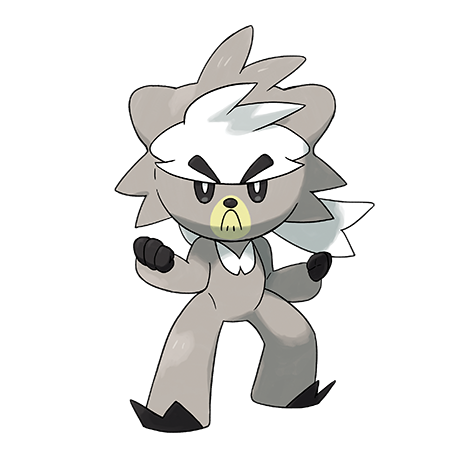
Search by name or dex number, narrow by type and generation, and sort by dex order, name, base stat total, or speed. Every card shows typing, BST, and the species' strongest stat so you can scan for what you need.
The type spread band under the grid tracks the distribution of whatever is on screen: filter to a generation and instantly see which types it leans on. From any species, jump into the catch rate, comparison, or team building tools.
Base stats and BST
Base stats are the six fixed values that decide how a Pokémon performs in battle: HP, Attack, Defense, Special Attack, Special Defense, and Speed. BST (base stat total) is the sum of all six and works as a quick measure of overall strength. Two Pokémon with the same BST can still play very differently depending on how those points are spread, so switch to the stats table view and sort individual columns to find the fastest, bulkiest, or hardest-hitting picks.
Browsing Pokémon by shape, color, and habitat
The Pokédex classifies every species by three physical traits: body color (10 options), body shape (14 silhouettes), and natural habitat (9 environments). This browser lets you explore all 1,025 Pokémon through these categories.
How classification works
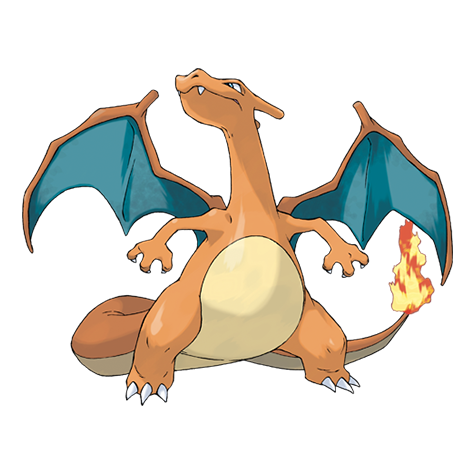
- Body color: assigned by the games based on the Pokémon's dominant color. Some assignments are surprising: Charizard is classified as red, not orange.
- Body shape: 14 distinct silhouettes ranging from "Ball" (Voltorb, Electrode) to "Humanoid" (Machamp, Gardevoir) and "Armor" (Tyranitar, Aggron).
- Habitat: covers cave, forest, grassland, mountain, sea, urban, and more. Habitat data is only available for Gen I through Gen III Pokémon; later generations dropped this classification.
Combine the category browser with the generation filter to see how physical diversity changed across eras. Gen 5 added 156 Pokémon, the largest single generation, while Gen 6 added just 72.